


- Magway records most airstrikes since new military chief took command: ISP-Myanmar
- Junta warship destroys two fishing boats, seizes another off Werathani
- Junta jet fighters drop 500-pound bombs on former junta battalions in Mrauk-U
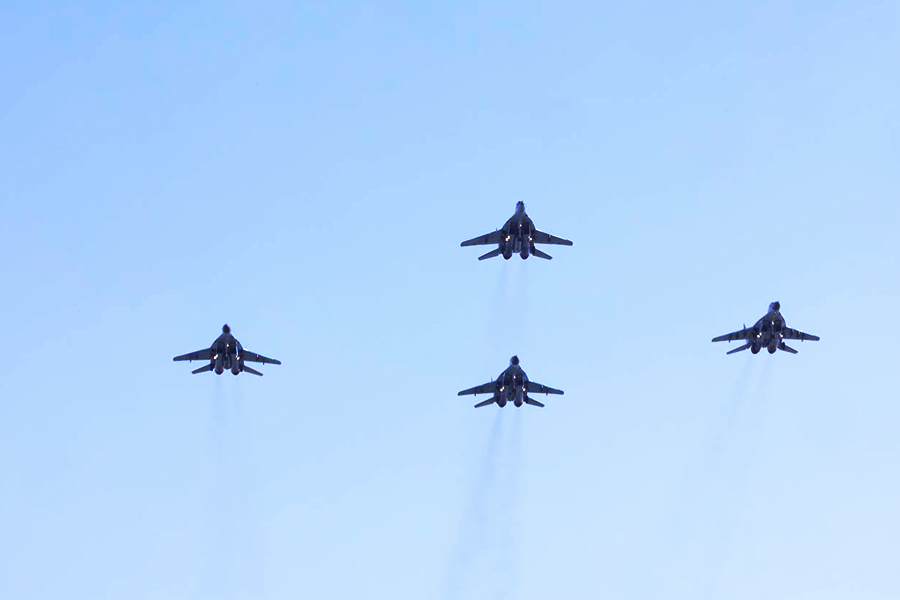
- Junta deploys fighter jets to bomb Ponnagyun
- Rathedaung villagers set up night watches amid Sittwe clashes, ARSA threat
Captured junta officers cite Arakan Army’s resilience and battlefield advantages in Arakan victories
According to detained officers who fought against the Arakan Army, the group’s success was driven by strong morale, disciplined command structures, modern weaponry and the ability of its troops to endure hardship.
20 Mar 2026
DMG Newsroom
20 March 2026, Ann
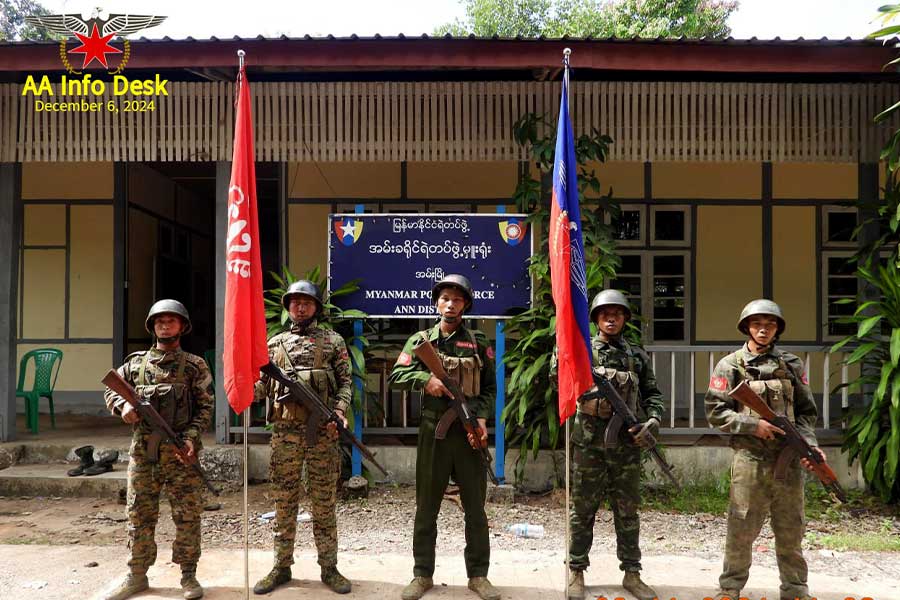
Captured Myanmar military officers have attributed the Arakan Army’s (AA) territorial gains in Arakan State to its resilience, discipline and battlefield capabilities.
The Arakan Army seized control of 14 townships in Arakan State and Paletwa Township in Chin State in 2024, and has since established administrative systems to manage governance and law enforcement in the areas under its control.
According to detained officers who fought against the Arakan Army, the group’s success was driven by strong morale, disciplined command structures, modern weaponry and the ability of its troops to endure hardship.
“The Arakan Army has strong forces and high morale. They have an effective chain of command and can endure extreme hardships. We resisted as much as we could, but their blockade of our reinforcement routes ultimately led to their victory,” said Brigadier-General Thaung Tun, former deputy commander of the junta’s Western Command, in an interview with DMG.
Brig-Gen Thaung Tun was captured during the battle for Ann, where the Western Command headquarters was based. He said the military lost control of multiple townships due to the Arakan Army’s superiority in drone operations, familiarity with local terrain and the regime’s inability to send sufficient reinforcements.
Colonel Thet Htoo San, commander of Military Operations Command 5 (MOC-5) in Taungup, also cited technological disadvantages as a key factor.
“We lacked the equipment to defend against drone bombings. Many bases were abandoned due to the impact of drop bombs, resulting in heavy casualties. Although the military has aircraft, we were slow to adapt to this type of warfare,” he said.
He added that during the battle for the Tawhein base in Ann Township, Arakan Army forces deployed large numbers of troops and surrounded the position from all directions.
“When they realized the base could not be easily captured, they intensified their assault. On our side, only about 70 to 80 personnel remained fit for combat. Our weapons were malfunctioning, and we had almost no ammunition left,” he said.
Captured officers also said the Arakan Army’s ability to coordinate simultaneous attacks using heavy weaponry from multiple positions contributed to their defeat. Some soldiers were reportedly killed by airstrikes carried out by their own side during attempts at air support.
According to the officers, the military attempted to resupply troops in Ann through airdrops before the fall of the Western Command, but these efforts were largely ineffective due to Arakan Army blockades.
“Reinforcements were deployed but could not advance beyond 30 to 40 miles from Ann. Supplies dropped by helicopter never reached us because they were intercepted. Although weapons and personnel were delivered by parachute, the effectiveness was very limited,” said Brig-Gen Kyaw Kyaw Than of the Western Command.
Despite preparations made since the launch of “Operation 1027,” the officers said these combined factors led to the loss of territory in Arakan State.
Fighting continues in remaining areas, including Sittwe and Kyaukphyu, where the military is maintaining its positions with air and heavy artillery support.
Clashes are also ongoing between Arakan Army and allied forces and the military at the Nat Yay Kan hilltop base in Magway Region, as well as in Padaung Township in Bago Region and parts of Ayeyarwady Region.

Top News
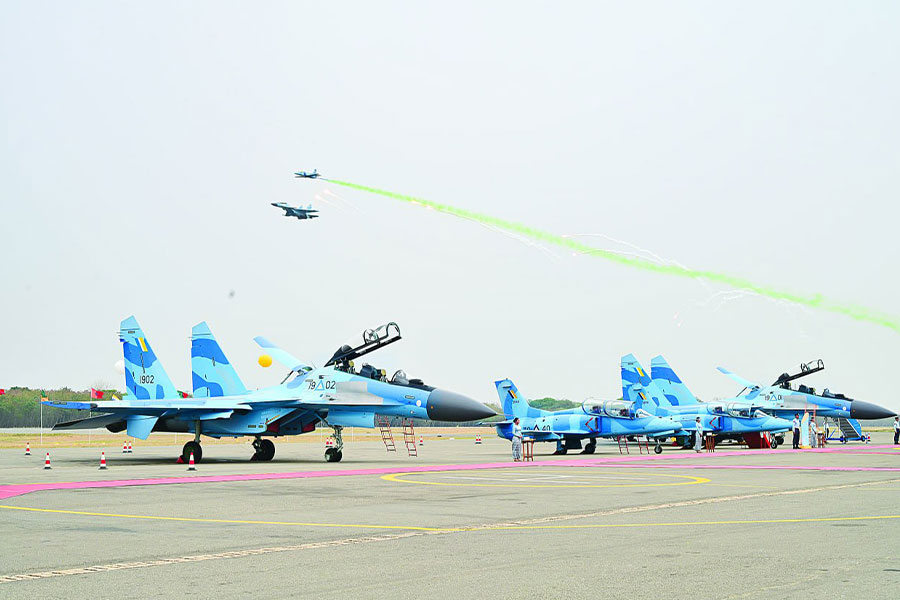
Magway records most airstrikes since new military chief took command: ISP-Myanmar
By Admin 17 Sep 2026
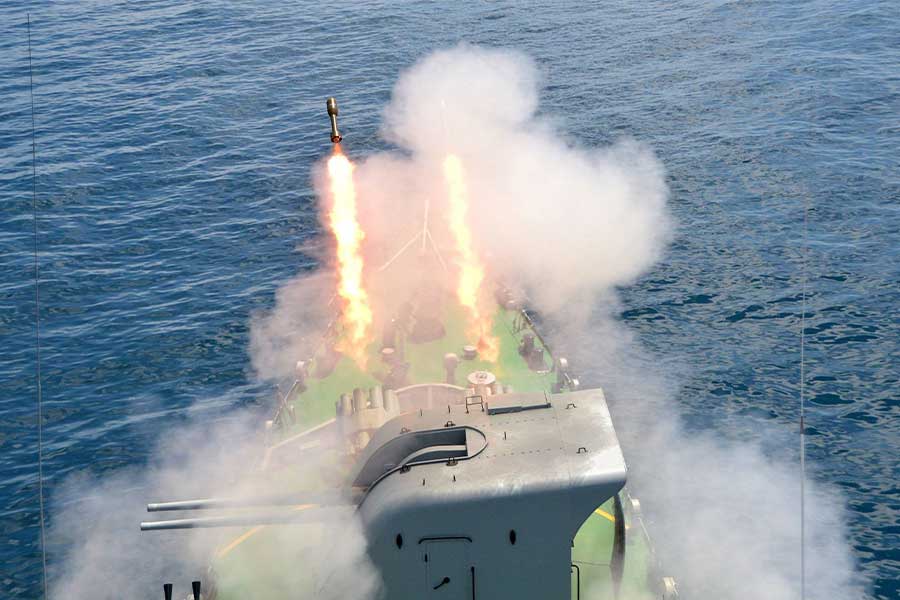
Junta warship destroys two fishing boats, seizes another off Werathani
By Admin 17 Sep 2026
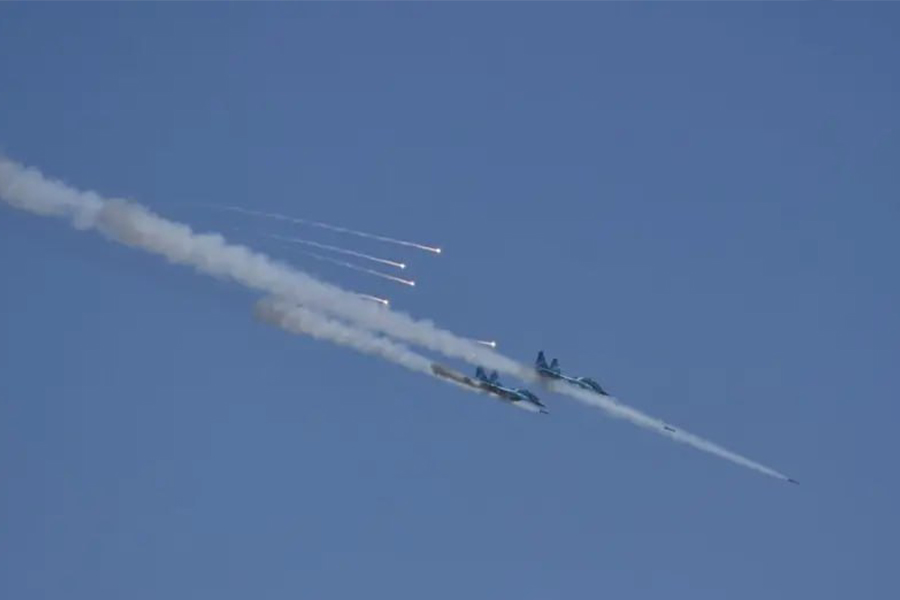
Junta jet fighters drop 500-pound bombs on former junta battalions in Mrauk-U
By Admin 17 Sep 2026

JFM calls for Myanmar military to be barred from ARF drone workshop
By Admin 17 Sep 2026
Junta deploys fighter jets to bomb Ponnagyun
By Admin 17 Sep 2026


.jpg)