
- Magway records most airstrikes since new military chief took command: ISP-Myanmar
- Junta warship destroys two fishing boats, seizes another off Werathani
- Junta jet fighters drop 500-pound bombs on former junta battalions in Mrauk-U
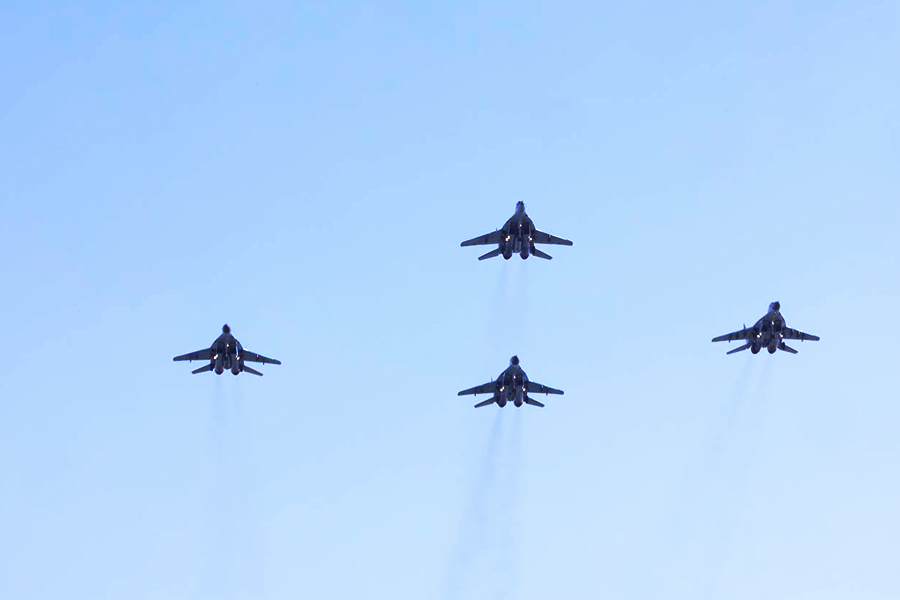
- Junta deploys fighter jets to bomb Ponnagyun
- Rathedaung villagers set up night watches amid Sittwe clashes, ARSA threat
ULA urged to boost ethnic participation in governance in Arakan State
Local people in Arakan State say the Arakkha People’s Government needs to strengthen the role of ethnic communities in governance, justice, health, regional development and education in areas under Arakan Army control.
06 Dec 2025
DMG Newsroom
6 November 2025, Mrauk-U
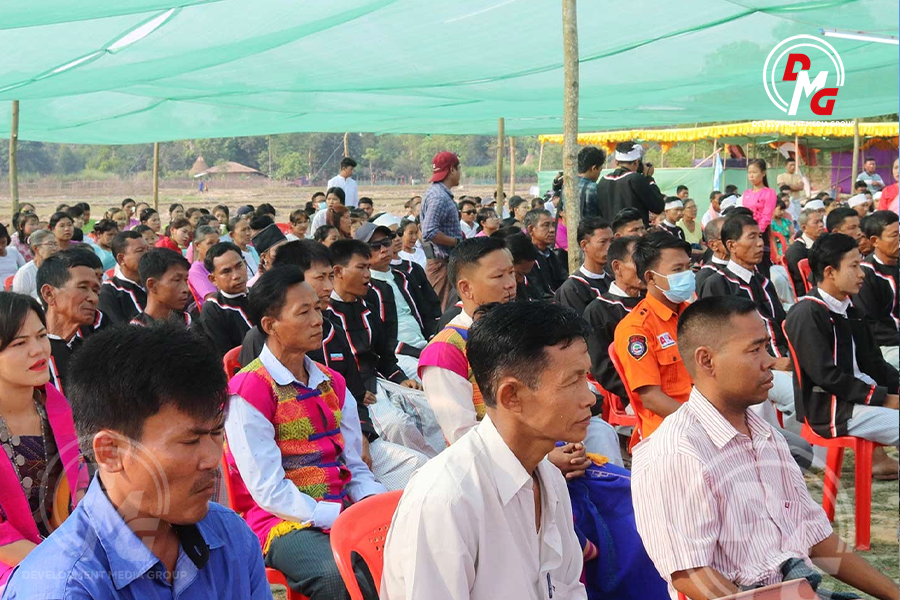
Local people in Arakan State say the Arakkha People’s Government needs to strengthen the role of ethnic communities in governance, justice, health, regional development and education in areas under Arakan Army control.
Arakan State is home to diverse communities including Arakanese, Mro, Thet, Khami, Kaman, Maramagyi, Daingnet, Chin and Muslim residents, who have long lived together peacefully.
Despite the participation of ethnic groups in rebuilding Arakan State, community members say weaknesses remain in the education and health sectors.
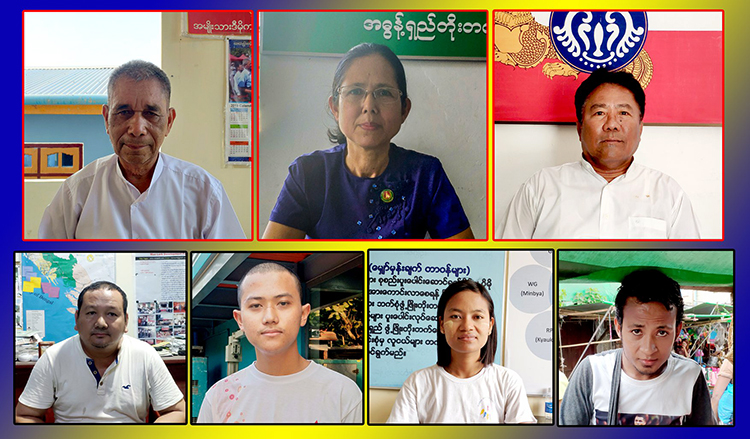
“Our people’s main need is education, but our weakness is also education. Mro people don’t really pursue education. There are not enough teachers in the village. Because our people are not educated, they lack knowledge and ideas. So, I want the Arakkha People’s Government to provide more support for the Mro people in the education sector,” said a 37-year-old Mro man.
Mro residents note that many people in remote, mountainous areas still rely on forests for their livelihoods, and say improvements in transportation and healthcare should be prioritised.
Khami people in Arakan State say ethnic groups have unique cultures, literature and traditions, and that ethnic festivals and youth involvement should be promoted.
“The Arakkha People’s Government wants the traditions of the tribal people to be included in the development of Arakan State to avoid ethnic conflicts. It is necessary to educate youth in world-class subjects and promote their literary and cultural heritage,” said a Khami man.
Members of the Arakan Students’ Union (ASU) are currently providing capacity-building training for ethnic groups and working to create opportunities for them in sectors such as health and justice under the Arakkha People’s Government.
ASU members say a stronger Arakan State can be built through cooperation among ethnic groups rather than acting alone.
“Most ethnic groups do not have much trust in the junta-appointed Arakan State government because of the oppression they faced under military rule. Therefore, the Arakkha People’s Government must meet their needs. This will strengthen the participation of ethnic groups,” said an ASU member.
The Arakan Army, which controls most of Arakan State, is accelerating rehabilitation efforts in administration, justice, health, education and regional development in areas under its control.
At the same time, the Arakan Army is working to bring together all ethnic groups — including Arakanese, Mro, Thet, Khami, Daingnet, Maramagyi, Kaman, Chin and Muslim communities — to rebuild Arakan State.
An ethnic Daingnet staff member at the Department of Law Enforcement and Public Security said trust-building is essential for a more united Arakan State.
“Most people want trust from others first. They forget to give trust to others first. To achieve your goals, you need to give trust to other people. You need to gain the trust of minority groups first. People only open up to those they trust,” he said.
He added that the Arakkha People’s Government should go to the ground and address the difficulties and challenges ethnic communities currently face.
Ethnic groups say that only by further promoting the roles of the Arakkha People’s Government in regional development, education and health — and by bringing everyone together in the rehabilitation process — can a better future be achieved.

Top News
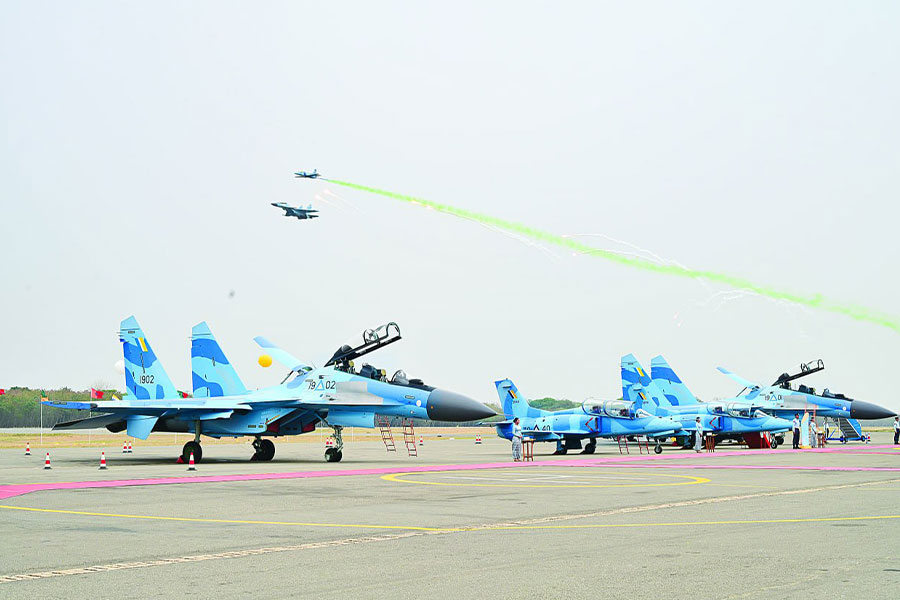
Magway records most airstrikes since new military chief took command: ISP-Myanmar
By Admin 17 Sep 2026
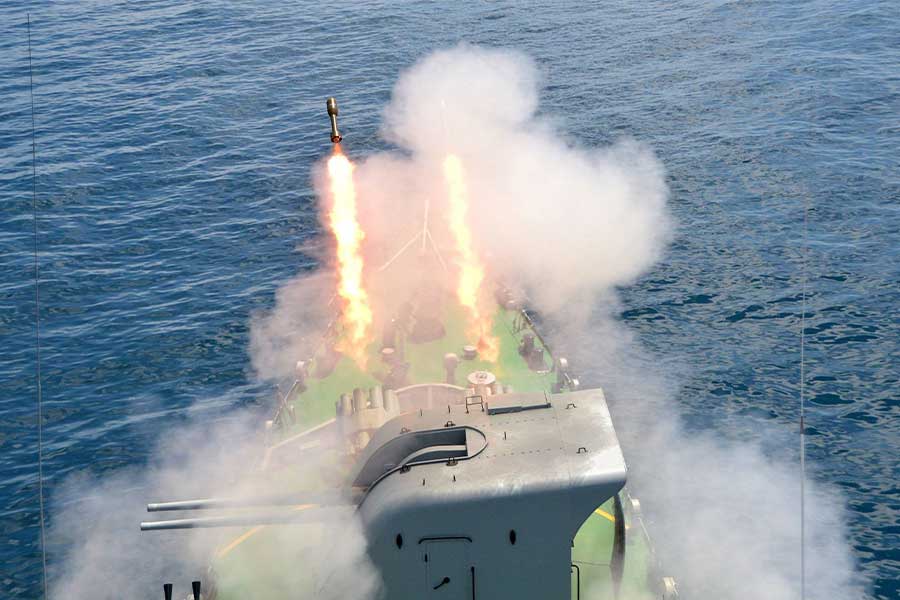
Junta warship destroys two fishing boats, seizes another off Werathani
By Admin 17 Sep 2026
Junta jet fighters drop 500-pound bombs on former junta battalions in Mrauk-U
By Admin 17 Sep 2026
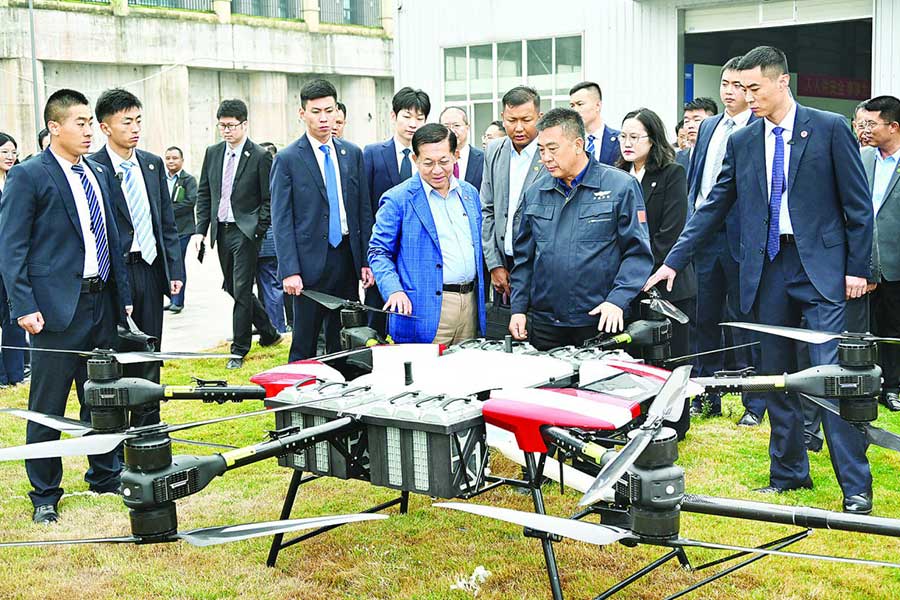
JFM calls for Myanmar military to be barred from ARF drone workshop
By Admin 17 Sep 2026
Junta deploys fighter jets to bomb Ponnagyun
By Admin 17 Sep 2026

.jpg)