


- Magway records most airstrikes since new military chief took command: ISP-Myanmar
- Junta warship destroys two fishing boats, seizes another off Werathani
- Junta jet fighters drop 500-pound bombs on former junta battalions in Mrauk-U
- Junta deploys fighter jets to bomb Ponnagyun
- Rathedaung villagers set up night watches amid Sittwe clashes, ARSA threat
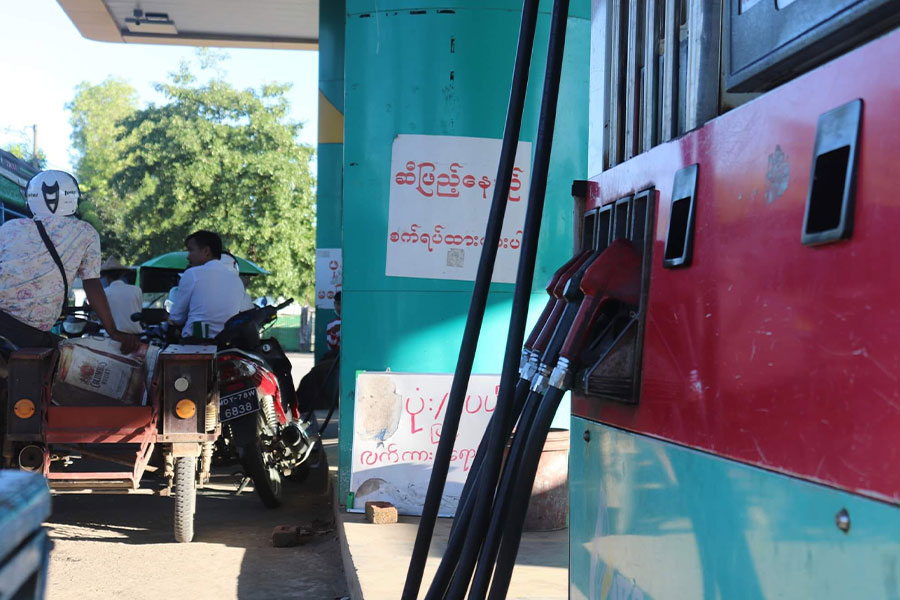
Fuel prices surge in AA-held Arakan State amid panic buying
Fuel prices have risen sharply in areas controlled by the Arakan Army (AA) in Arakan State, driven by panic buying and stockpiling, local sources report.
09 Mar 2026
DMG Newsroom
9 March 2026, Mrauk-U
Fuel prices have risen sharply in areas controlled by the Arakan Army (AA) in Arakan State, driven by panic buying and stockpiling, local sources report.
Merchants and residents said the surge is largely caused by businessmen competing to purchase and hoard domestic fuel supplies.
"We've seen a significant increase in fuel purchases, especially by businessmen and farmers. Once fuel imported from India reaches Arakan, they buy the entire stock and hoard it rather than reselling. This is why prices are rising. We, in turn, have to sell at these inflated rates," said a female fuel shop owner in Mrauk-U.
In AA-controlled areas, the price of one liter of Indian fuel has climbed from K6,500 last week to K8,000 today. 92 Octane is currently being sold for between K8,000 and K9,000 per liter, up from K8,000 last week.
The price of a barrel of fuel has jumped from K1.3 million to K1.7 million, while diesel has increased from K1.2 million to K1.7 million Kyats over the same period.
While no total fuel shortage has been reported, farmers fear prices could spike further ahead of the monsoon plowing season.
"I bought and stored two barrels because I feared paying even higher prices during plowing season. Many others are doing the same. It’s not about extra money; we’re terrified of further hikes," said a local farmer.
The situation is also influenced by global trends, as conflicts in the Middle East continue to pressure international fuel markets.
"Demand has spiked because profit margins are high. Businessmen are offering premium prices to monopolize incoming supplies, which drives up costs," explained a fuel merchant from Kyauktaw.
At the start of the conflict, the military regime’s blockade of transportation routes caused fuel shortages and price surges across Arakan State.
Currently, the state relies on fuel imports from India and Bangladesh, leaving residents anxious about further escalation.

Top News
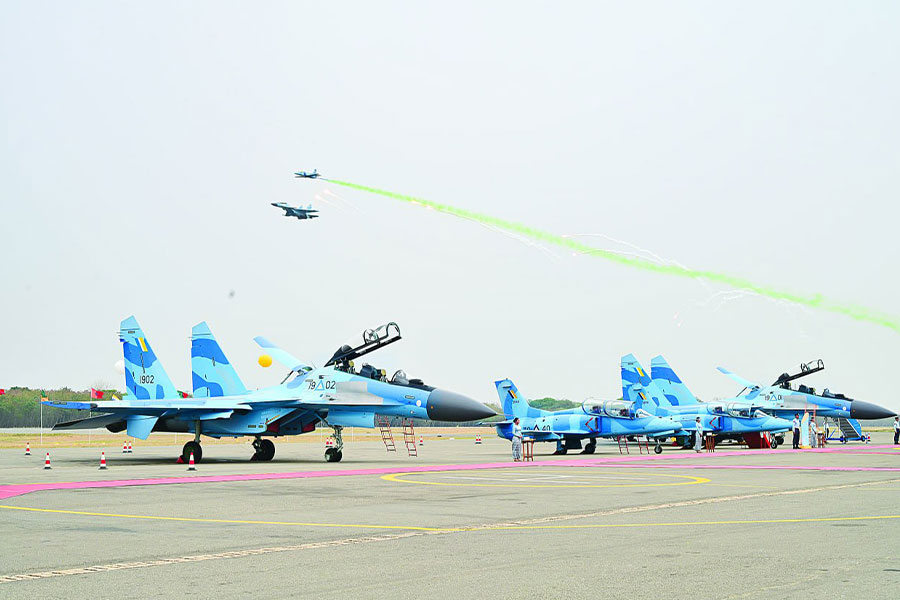
Magway records most airstrikes since new military chief took command: ISP-Myanmar
By Admin 17 Sep 2026
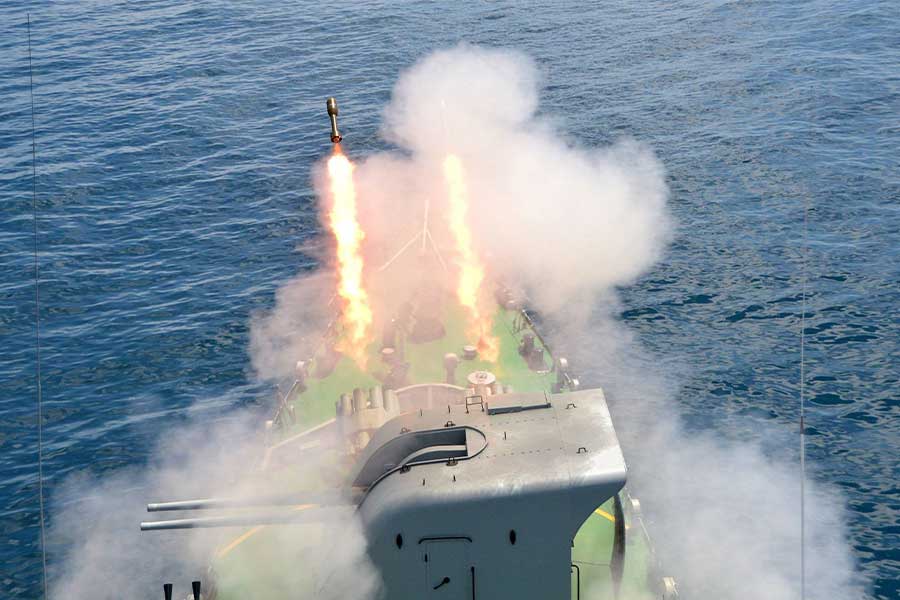
Junta warship destroys two fishing boats, seizes another off Werathani
By Admin 17 Sep 2026
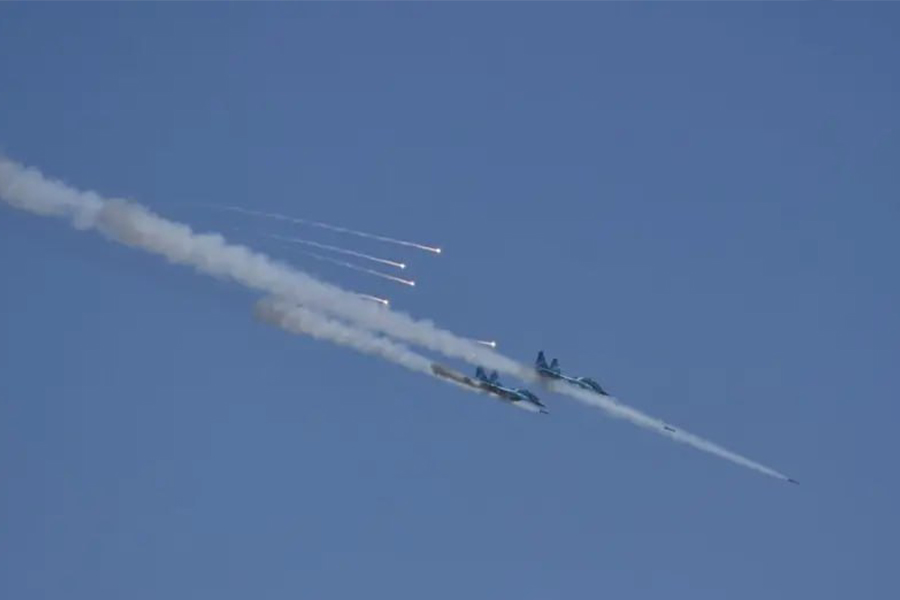
Junta jet fighters drop 500-pound bombs on former junta battalions in Mrauk-U
By Admin 17 Sep 2026

JFM calls for Myanmar military to be barred from ARF drone workshop
By Admin 17 Sep 2026
Junta deploys fighter jets to bomb Ponnagyun
By Admin 17 Sep 2026



.jpg)