


- Magway records most airstrikes since new military chief took command: ISP-Myanmar
- Junta warship destroys two fishing boats, seizes another off Werathani
- Junta jet fighters drop 500-pound bombs on former junta battalions in Mrauk-U
- Junta deploys fighter jets to bomb Ponnagyun
- Rathedaung villagers set up night watches amid Sittwe clashes, ARSA threat
Iran crisis sparks fuel price hikes in AA-held areas
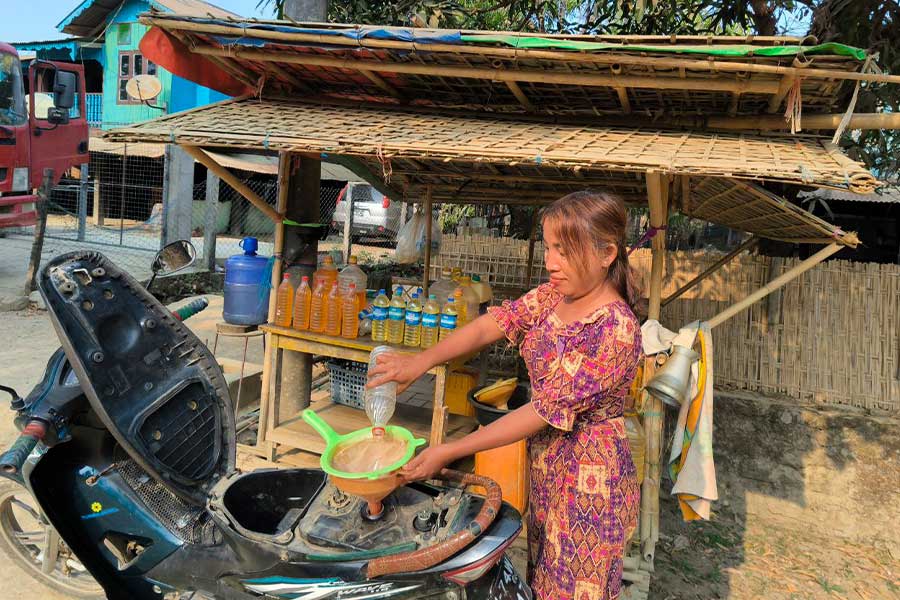
Fuel prices are surging in Arakan Army (AA) controlled areas of Arakan State as residents engage in panic buying following global market fluctuations triggered by the ongoing Iran crisis, local fuel retailers report.
05 Mar 2026
DMG Newsroom
5 March 2026, Kyauktaw
Fuel prices are surging in Arakan Army (AA) controlled areas of Arakan State as residents engage in panic buying following global market fluctuations triggered by the ongoing Iran crisis, local fuel retailers report.
On March 4, the price of a barrel of fuel stood at approximately K1.3 million. By today, market prices have jumped to between K1.4 million and K1.5 million. While there is no immediate shortage, retailers warn that prices are likely to continue rising.
"Current prices are K7,500 per liter for 92 Octane and K6,500 per liter for Indian fuel. Although 92 Octane prices briefly dipped, the next shipment is expected to cost K1.4 million per barrel, so prices will inevitably rise again. Indian fuel is also becoming scarce at the source, so further hikes are expected," said a male fuel station owner in Kyauktaw.
The Middle East conflict involving Iran, Israel, and the United States is now affecting areas under Arakan Army administration. Since fuel is largely imported via India, regional instability has sent shockwaves through local supply chains.
"Because commodity prices are already high here, most people, about 90 out of 100 customers, choose the cheaper Indian fuel over 92 Octane. With the Iran war driving up global oil costs, we have to monitor the situation closely, but the trend is definitely upward," said a female fuel station owner.
Residents recall previous fuel shortages caused by transport blockades during past battles for control of towns in Arakan State.
"We went through fuel shortages when the fighting first broke out. If prices keep rising, we might have to go back to using bicycles like we did then," noted a young resident of Kyauktaw.
Locals remain concerned that continued price hikes could eventually deplete supplies. Meanwhile, the fuel crisis triggered by the Iran conflict is being felt across Myanmar, with long queues reported in major cities including Yangon and Mandalay.
Tensions have intensified following reports that Iranian authorities have closed the Strait of Hormuz, the world’s most vital oil transit point, through which approximately 20% of global daily oil consumption passes.

Top News
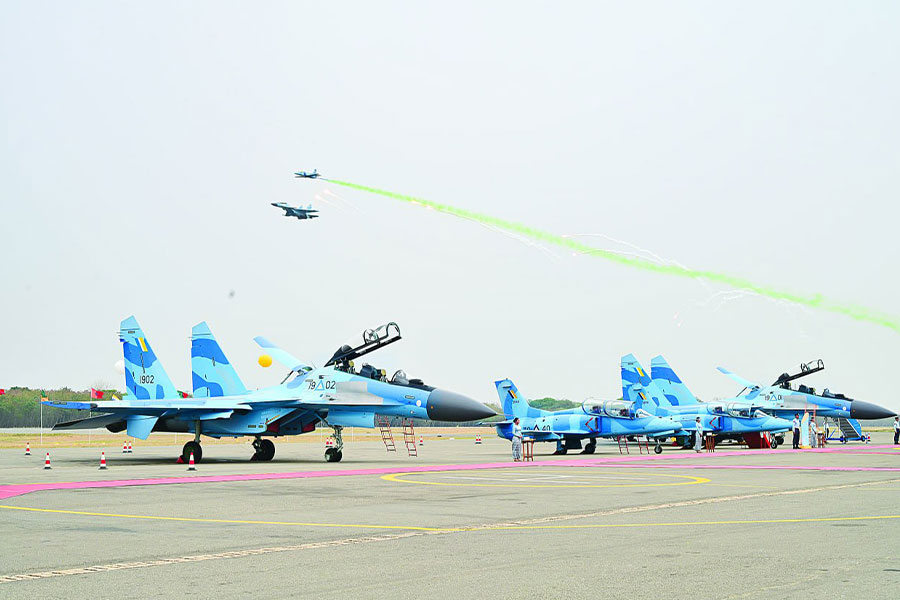
Magway records most airstrikes since new military chief took command: ISP-Myanmar
By Admin 17 Sep 2026
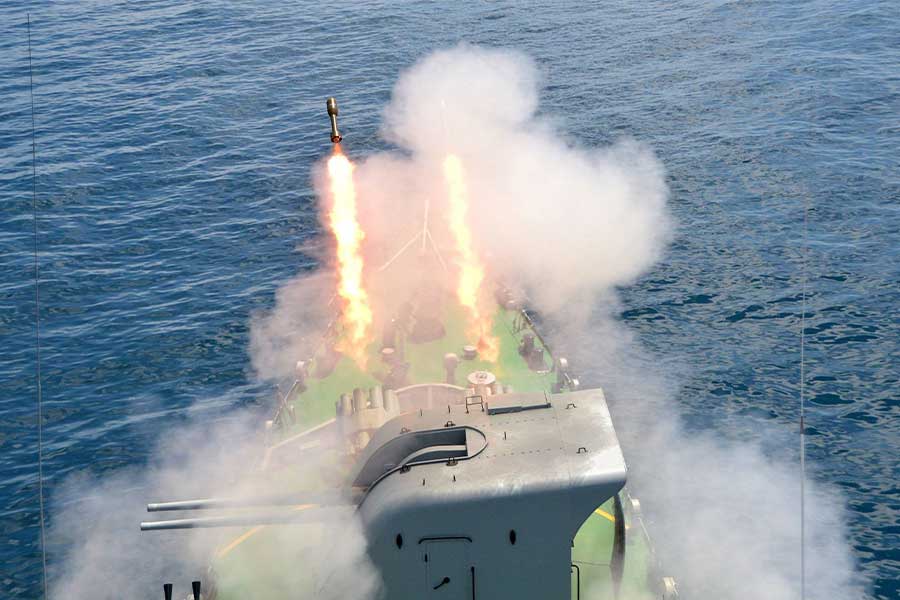
Junta warship destroys two fishing boats, seizes another off Werathani
By Admin 17 Sep 2026
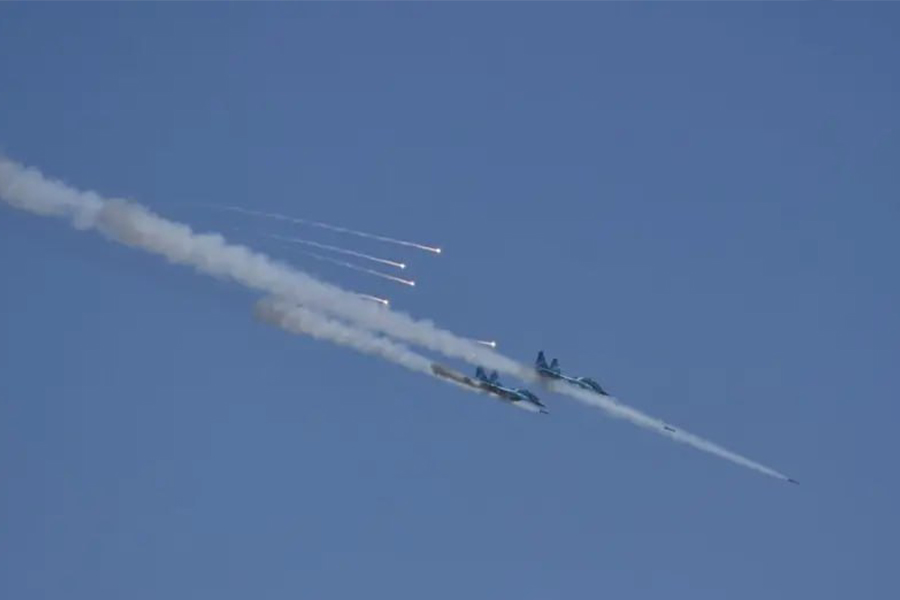
Junta jet fighters drop 500-pound bombs on former junta battalions in Mrauk-U
By Admin 17 Sep 2026

JFM calls for Myanmar military to be barred from ARF drone workshop
By Admin 17 Sep 2026
Junta deploys fighter jets to bomb Ponnagyun
By Admin 17 Sep 2026



.jpg)