

- Magway records most airstrikes since new military chief took command: ISP-Myanmar
- Junta warship destroys two fishing boats, seizes another off Werathani
- Junta jet fighters drop 500-pound bombs on former junta battalions in Mrauk-U
- Junta deploys fighter jets to bomb Ponnagyun
- Rathedaung villagers set up night watches amid Sittwe clashes, ARSA threat
Indiscriminate plastic waste disposal poses environmental risks in Arakan State
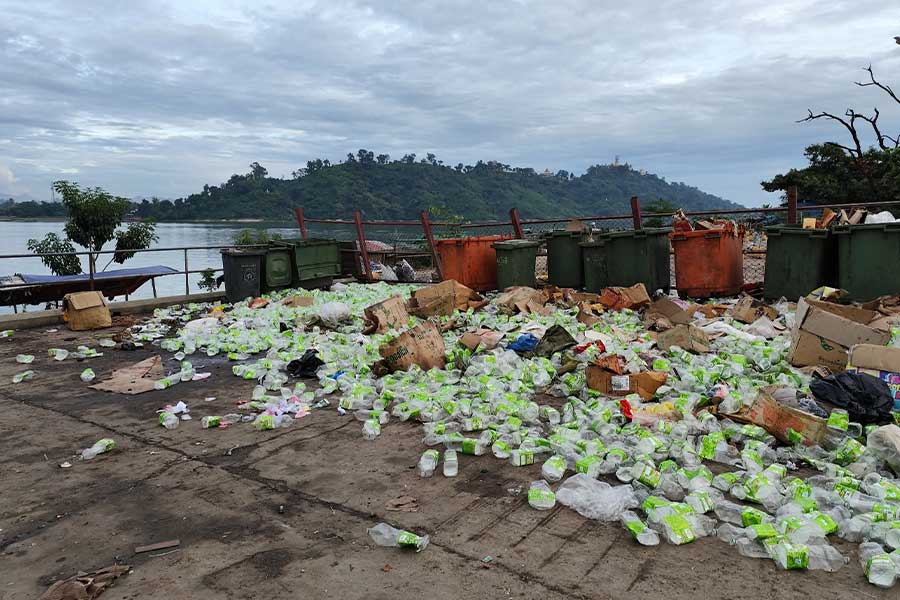
Indiscriminate plastic waste disposal is increasing in Arakan State, raising concerns about environmental pollution, according to environmental activists, who stress the need for systematic waste management.
24 Jan 2026
DMG Newsroom
24 January 2026, Kyauktaw
Indiscriminate plastic waste disposal is increasing in Arakan State, raising concerns about environmental pollution, according to environmental activists, who stress the need for systematic waste management.
In Kyauktaw Township, residents report a growing amount of plastic waste being dumped into the Kaladan River, posing risks of water pollution.
“Dumping waste into the Kaladan River is the same as making freshwater resources scarce. Not only the people of Kyauktaw, but also villages along the river rely on Kaladan River water. Therefore, authorities need to take action to prevent waste disposal in this freshwater source,” said a local woman in Kyauktaw.
The Kaladan River is a key freshwater source, and plastic pollution poses health risks for communities that depend on the river for daily use.
Environmentalists say daily plastic consumption among the public remains high and has increased compared to previous years.
“Before commodity prices rose, plastic use was lower because people could afford long-term, reusable items. Now, as prices increase, people are relying more on easily accessible plastic products,” said a resident of Mrauk-U.
Due to rising household commodity prices, plastic use has become widespread, while systematic disposal of used plastic waste remains inadequate.
Environmentalists warn that plastic waste contributes to environmental degradation, ecosystem damage, and negative health impacts, underscoring the need for reduced consumption.
As a result of indiscriminate disposal, water pollution is occurring in rivers, lakes, and streams across Arakan State, while waterways are becoming blocked and streams and creeks are gradually silting up.
“I want the authorities to address this issue in a way that reduces plastic consumption. This plastic problem needs serious consideration,” said an environmental observer in Arakan State.
Plastic waste can take between 200 and 1,000 years to decompose, damaging air, water, and soil, and harming the environment and ecosystems.
Experts note an urgent need to reduce plastic use to prevent long-term environmental damage and related disasters.
Studies have also shown increasing levels of microplastics in the sea along the Arakan coast. According to a 2018 survey conducted by Norway’s Dr. Fridtjof Nansen research team in Myanmar’s coastal regions, microplastic concentrations were found to be higher along the Arakan coast.

Top News
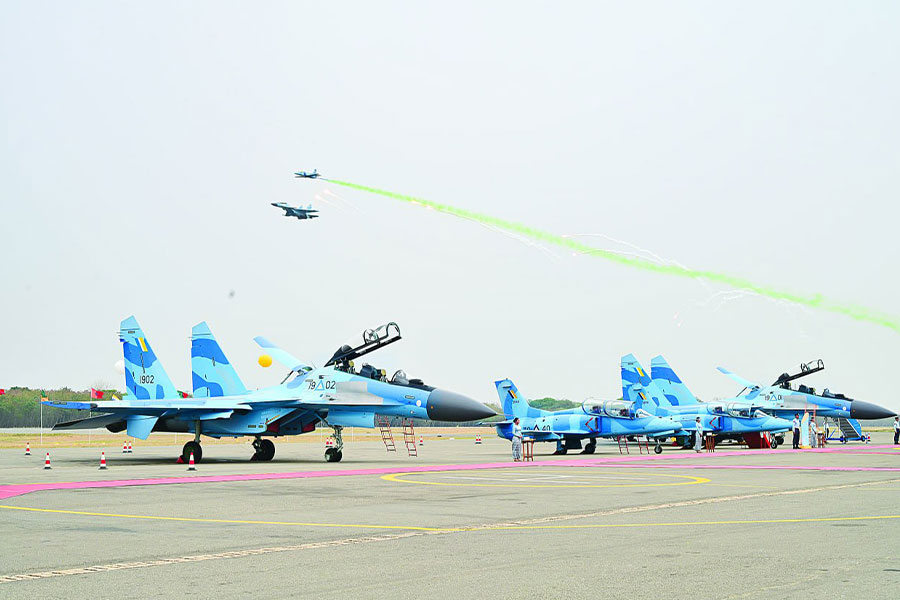
Magway records most airstrikes since new military chief took command: ISP-Myanmar
By Admin 17 Sep 2026
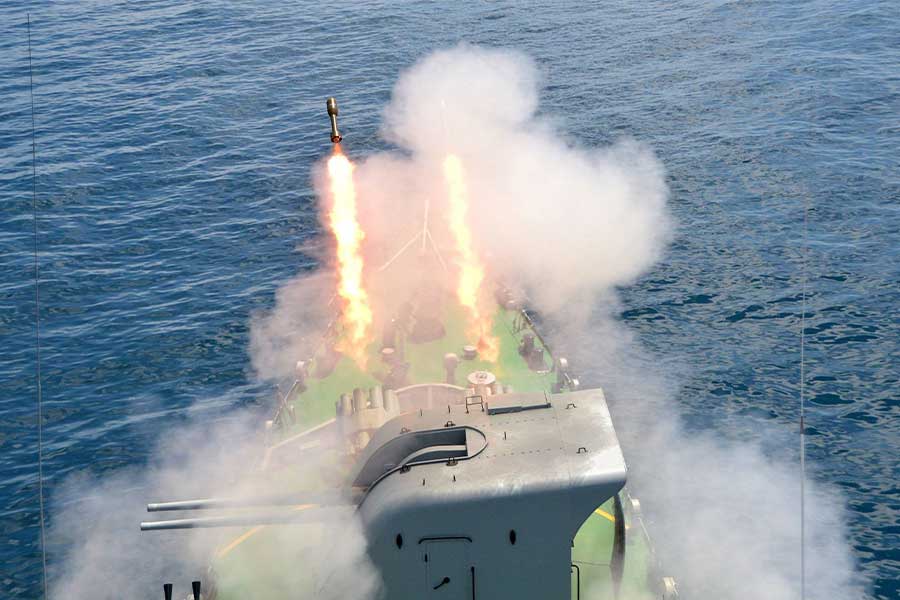
Junta warship destroys two fishing boats, seizes another off Werathani
By Admin 17 Sep 2026
Junta jet fighters drop 500-pound bombs on former junta battalions in Mrauk-U
By Admin 17 Sep 2026

JFM calls for Myanmar military to be barred from ARF drone workshop
By Admin 17 Sep 2026
Junta deploys fighter jets to bomb Ponnagyun
By Admin 17 Sep 2026


.jpg)