
- Magway records most airstrikes since new military chief took command: ISP-Myanmar
- Junta warship destroys two fishing boats, seizes another off Werathani
- Junta jet fighters drop 500-pound bombs on former junta battalions in Mrauk-U
- Junta deploys fighter jets to bomb Ponnagyun
- Rathedaung villagers set up night watches amid Sittwe clashes, ARSA threat
Kyaukphyu IDPs face acute drinking water shortages amid dry season
The IDPs, who fled fighting between Myanmar’s military and the Arakan Army (AA), said their shelters are located about two miles from the nearest functioning wells and ponds, forcing them to travel long distances under difficult conditions to collect water.
19 Mar 2026
DMG Newsroom
19 March 2026, Kyaukphyu
Internally displaced persons (IDPs) in Kyaukphyu Township, Arakan State, are facing acute shortages of drinking water as the summer season intensifies, according to displaced residents.
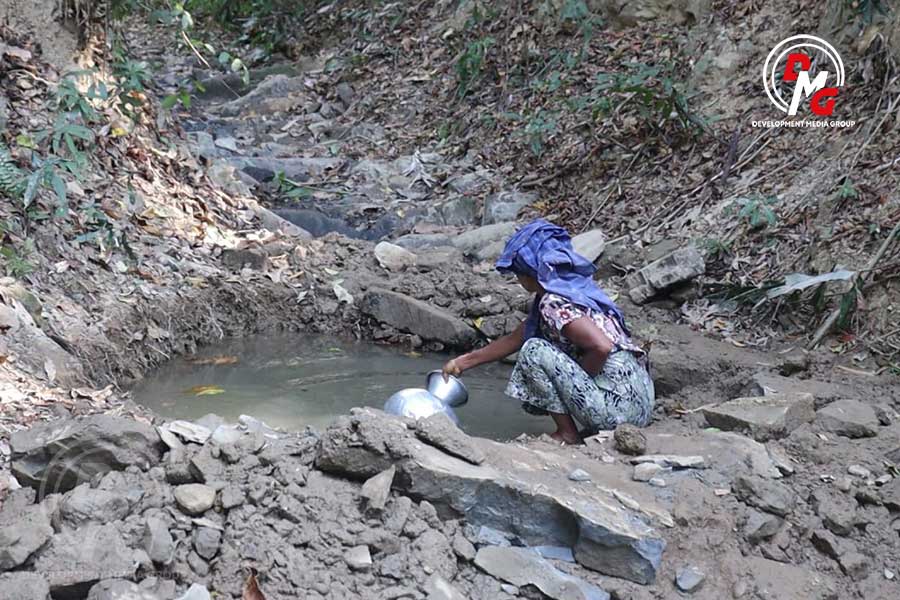
The IDPs, who fled fighting between Myanmar’s military and the Arakan Army (AA), said their shelters are located about two miles from the nearest functioning wells and ponds, forcing them to travel long distances under difficult conditions to collect water.
Residents warned that the situation could worsen significantly if existing water sources dry up.
“We are facing a water crisis right now. The remaining supply will only last for a day or two,” said Daw Thazin Oo, an IDP woman from Hsinbote Village. “We don’t know where to get water next. Even if we go to other villages, we don’t know if they will allow us to use their water.”
Daw Thazin Oo has been displaced since November 2025, when the military carried out heavy artillery and airstrikes on Hsinbote Village.
The IDP site currently shelters more than 130 households and over 500 people from Hsinbote, Kyungyi, Sabahtar and Mawgyi Villages.
Social aid groups began drilling wells in January to address the shortage. However, due to the growing number of displaced people and the onset of the dry season, many of these sources are now drying up.
IDPs expressed concern over potential health risks, including skin diseases and diarrhea, due to the lack of access to clean water.
U Nyan Than, another displaced man, said it takes nearly an hour to collect a single pot of water.
“Those who arrive late can only get murky water. Only those who go early can collect relatively clean water. The upper pond is filled with leaves and has turned red, while the lower pond is muddy and nearly dry,” he said.
In addition to water shortages, IDPs are facing a lack of secure shelter, food shortages and ongoing health problems.
Families with adolescent daughters also raised concerns about safety and privacy due to inadequate housing and a lack of proper latrines.
“I have a grown daughter, but we don’t even have a proper place to bathe or a latrine. We are just managing as best we can. Many families here have young men and women. We urgently need proper sanitation facilities,” said Daw San Wai Khaing, an IDP woman.
Despite the hardships, many displaced families say they are unable to relocate due to ongoing livelihood challenges.
Similarly, IDPs in Ponnagyun Township in northern Arakan State are also facing severe water shortages and are calling for urgent assistance.

Top News
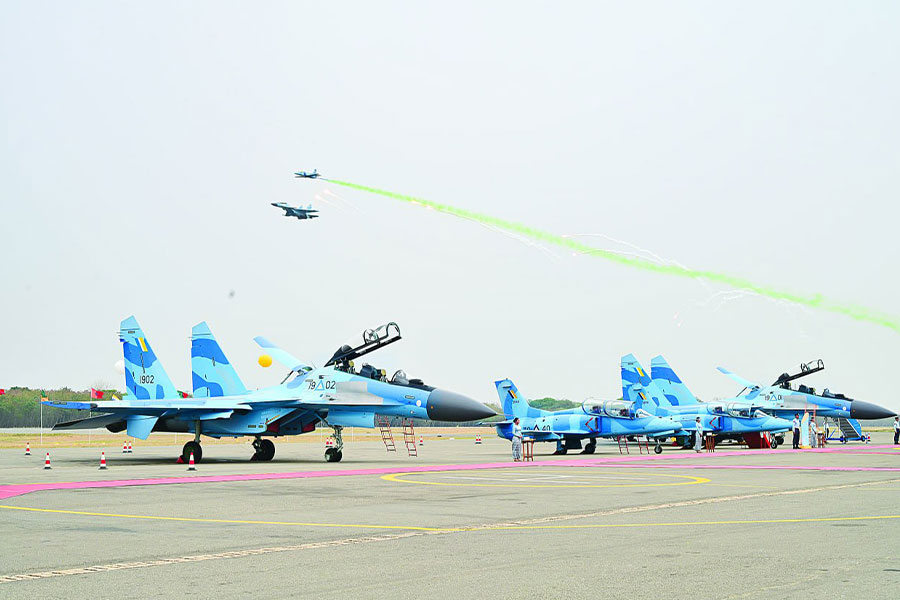
Magway records most airstrikes since new military chief took command: ISP-Myanmar
By Admin 17 Sep 2026
Junta warship destroys two fishing boats, seizes another off Werathani
By Admin 17 Sep 2026
Junta jet fighters drop 500-pound bombs on former junta battalions in Mrauk-U
By Admin 17 Sep 2026

JFM calls for Myanmar military to be barred from ARF drone workshop
By Admin 17 Sep 2026
Junta deploys fighter jets to bomb Ponnagyun
By Admin 17 Sep 2026

.jpg)