
- Magway records most airstrikes since new military chief took command: ISP-Myanmar
- Junta warship destroys two fishing boats, seizes another off Werathani
- Junta jet fighters drop 500-pound bombs on former junta battalions in Mrauk-U
- Junta deploys fighter jets to bomb Ponnagyun
- Rathedaung villagers set up night watches amid Sittwe clashes, ARSA threat
Landmine, ERW casualties rising in Arakan State amid ongoing conflict
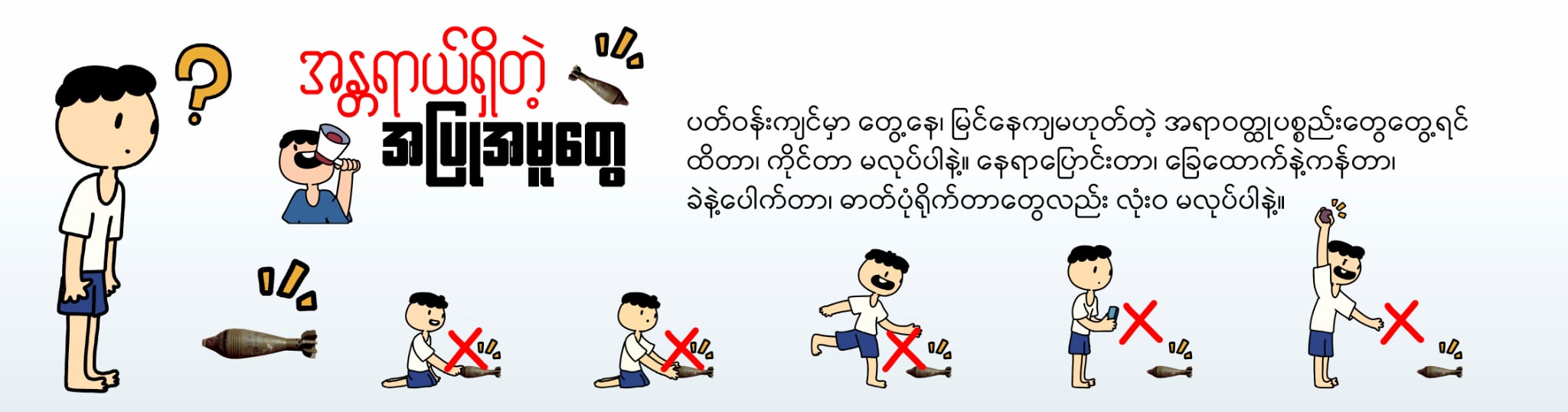
Civilian casualties caused by landmines and explosive remnants of war (ERW) are increasing in conflict-affected Arakan State, with several fatal incidents reported since the start of the year.
16 Feb 2026
DMG Newsroom
16 February 2026, Minbya
Civilian casualties caused by landmines and explosive remnants of war (ERW) are increasing in conflict-affected Arakan State, with several fatal incidents reported since the start of the year.
Between January and February 16, at least five landmine and ERW explosions were reported in Minbya, Maungdaw and Ann townships, according to data compiled by DMG.
The incidents left three people dead and four others injured, including children.
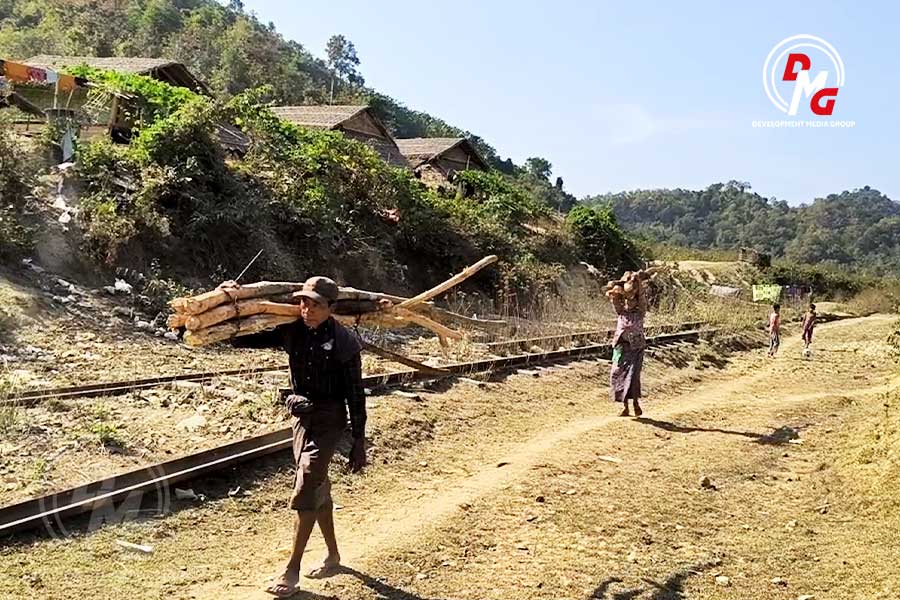
Most of the explosions occurred while residents were foraging in forested areas. Amid limited job opportunities and rising commodity prices, many locals rely on nearby forests and mountains for their livelihoods despite the risk posed by unexploded ordnance.
“Junta troops were previously stationed on the hills. We are always worried when we go to cut firewood. But because of the fighting, there are no other jobs. We have no choice but to depend on the forest to survive,” a resident of Kyauktaw Township said.
Beyond the immediate casualties, the incidents have created longer-term hardship for affected families, as many of the victims were primary breadwinners. Deaths and permanent injuries have left dependents facing significant economic difficulties.
The Arakan Army (AA) has been carrying out demining operations in areas under its control, but faces difficulties clearing all contaminated sites due to the scale of the problem.
Local social organizations are also conducting mine risk education (MRE) programmes. However, observers say the efforts remain limited, particularly in remote areas, and are calling for expanded awareness campaigns.
“There are some MRE activities, but they are limited in remote areas due to financial and logistical constraints,” an MRE trainer in Arakan State said. “Many explosions occur in far-flung locations. We need to expand these education programmes to reach rural communities.”
As fighting for control of towns across Arakan State has spread to much of the region, landmines and ERW continue to pose a serious and enduring threat to civilians.

Top News
Magway records most airstrikes since new military chief took command: ISP-Myanmar
By Admin 17 Sep 2026
Junta warship destroys two fishing boats, seizes another off Werathani
By Admin 17 Sep 2026
Junta jet fighters drop 500-pound bombs on former junta battalions in Mrauk-U
By Admin 17 Sep 2026
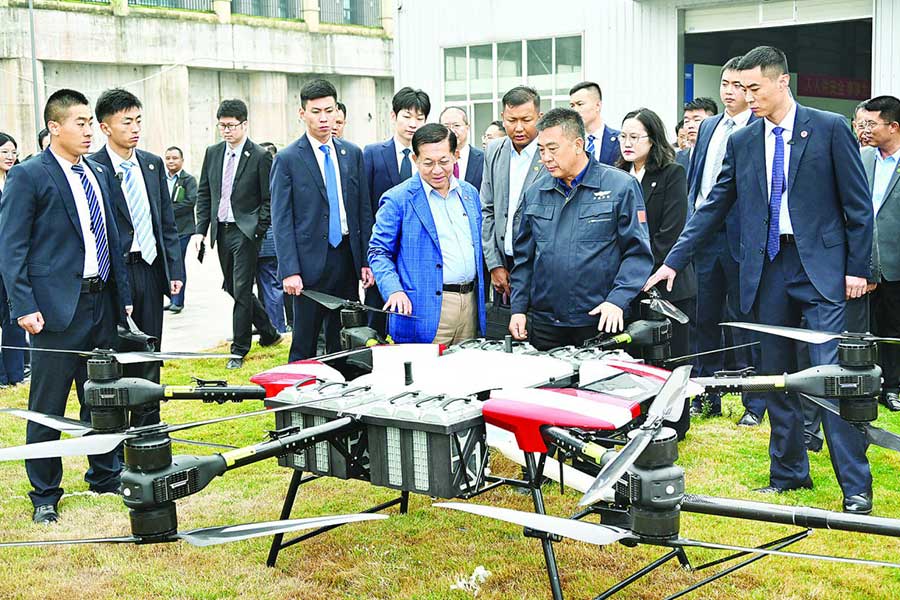
JFM calls for Myanmar military to be barred from ARF drone workshop
By Admin 17 Sep 2026
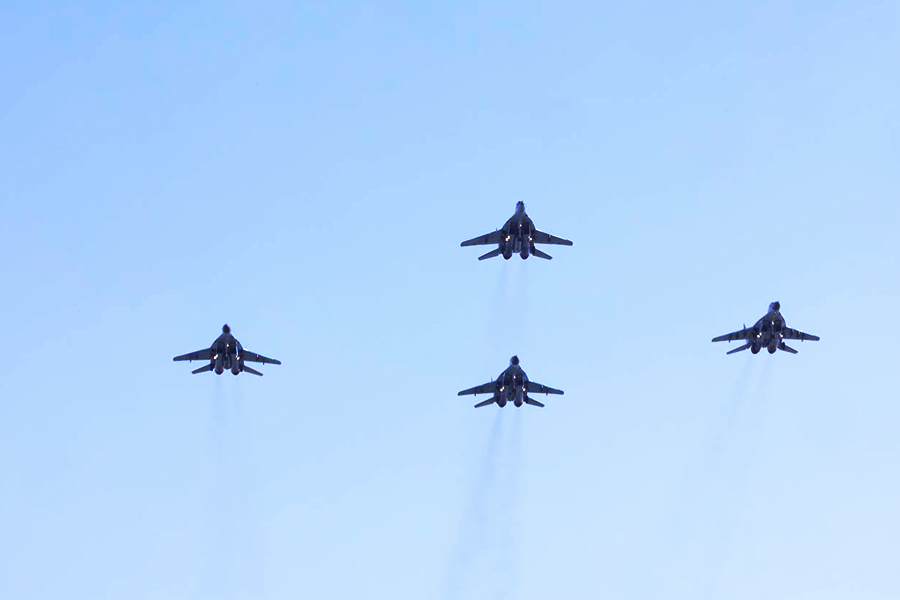
Junta deploys fighter jets to bomb Ponnagyun
By Admin 17 Sep 2026

.jpg)