


- Magway records most airstrikes since new military chief took command: ISP-Myanmar
- Junta warship destroys two fishing boats, seizes another off Werathani
- Junta jet fighters drop 500-pound bombs on former junta battalions in Mrauk-U
- Junta deploys fighter jets to bomb Ponnagyun
- Rathedaung villagers set up night watches amid Sittwe clashes, ARSA threat
Locals urge wider use of air raid warning systems in Arakan State
As the regime intensifies airstrikes in areas controlled by the Arakan Army (AA) in Arakan State, local residents are calling for the effective operation of already installed air raid warning systems to improve civilian safety.
12 May 2026
DMG Newsroom
12 May 2026, Kyauktaw
As the regime intensifies airstrikes in areas controlled by the Arakan Army (AA) in Arakan State, local residents are calling for the effective operation of already installed air raid warning systems to improve civilian safety.
Although warning systems have been installed in some areas controlled by the Arakan Army, residents said many are rarely used in practice, with sirens remaining silent even when aircraft are flying overhead.
“Even when planes have been circling for a long time, we don't hear any sirens. We don't know if the warning systems are broken or if they just are not being turned on. We want them to be used since they have already been set up,” said a local man in Kyauktaw.
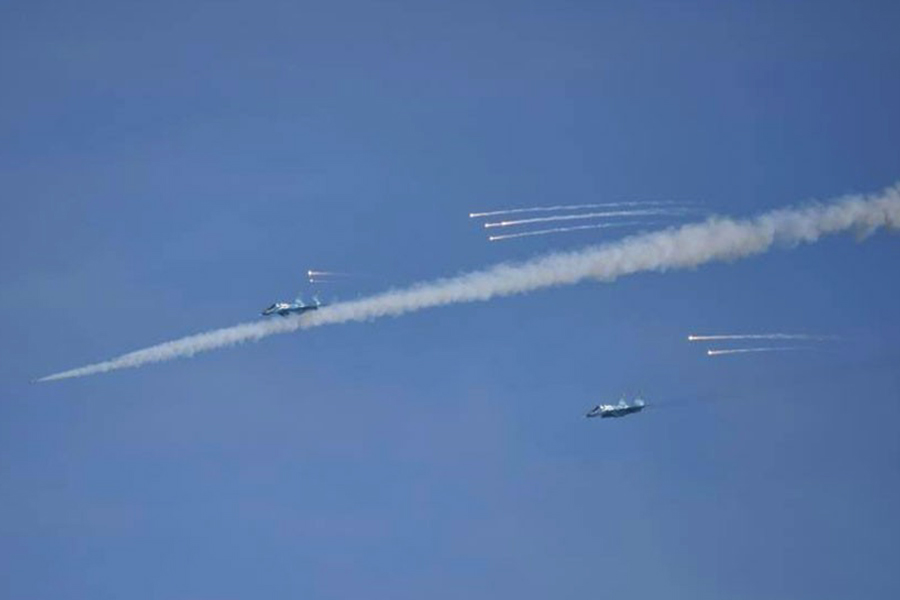
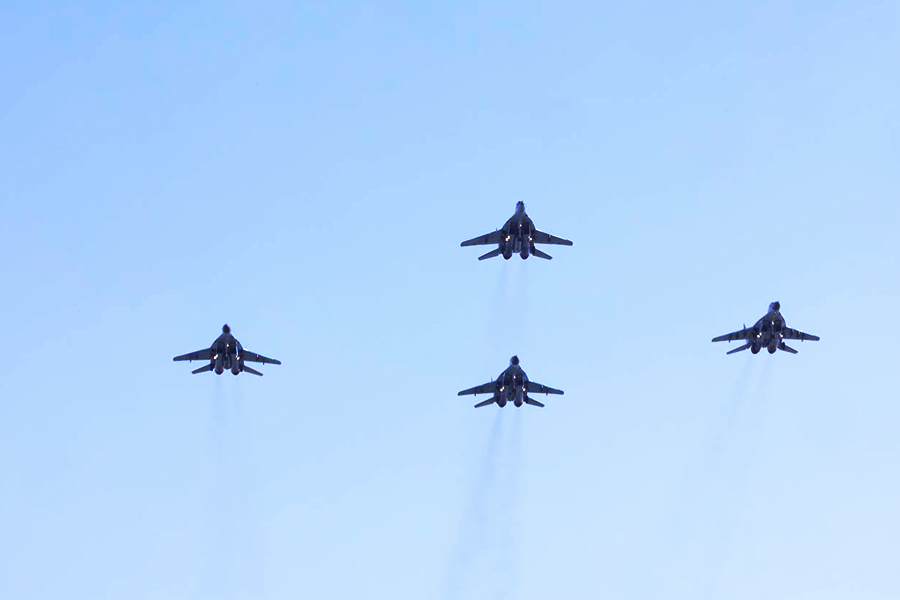
Recently, the regime has increasingly carried out coordinated bombing raids using groups of aircraft, significantly escalating its air operations across Arakan State.
On May 7, regime forces used multiple aircraft to conduct prolonged bombing raids in Minbya and Kyauktaw townships on the same day. During the attacks, three people were killed and at least 10 others were injured.
The rise in aerial bombardments has heightened fear among local residents, many of whom now live under constant concern over further strikes.
“Every ward should have air raid warning systems. Even if they cannot provide physical protection, a siren can at least give a warning. Even when sirens do sound, they are only installed in one location per town, so people in crowded areas cannot easily hear them. They should be installed in every town and every ward,” said a local woman in Minbya.
The regime has repeatedly carried out airstrikes on non-military targets in areas controlled by the Arakan Army, including schools, monasteries, hospitals, and densely populated civilian locations, worsening security conditions for residents.
As a result, locals are urging authorities to prioritize the installation of air raid warning systems at schools, hospitals, monasteries, and crowded public areas.
Residents also noted that online based warning systems are ineffective in Arakan State due to internet and mobile network shutdowns, increasing the need for more ground-based warning systems.
“Now that there are attacks by groups of planes, we have to live with constant anxiety. Some locals have fled out of fear. People are living with worry about when and where the bombs will fall,” said a member of a social organization in Arakan State.
Military analysts have assessed that the regime is increasingly relying on airpower as its primary offensive strategy, raising concerns that airstrikes could become even more widespread across the country, including in Arakan State.

Top News
Magway records most airstrikes since new military chief took command: ISP-Myanmar
By Admin 17 Sep 2026
Junta warship destroys two fishing boats, seizes another off Werathani
By Admin 17 Sep 2026
Junta jet fighters drop 500-pound bombs on former junta battalions in Mrauk-U
By Admin 17 Sep 2026

JFM calls for Myanmar military to be barred from ARF drone workshop
By Admin 17 Sep 2026
Junta deploys fighter jets to bomb Ponnagyun
By Admin 17 Sep 2026





.jpg)