

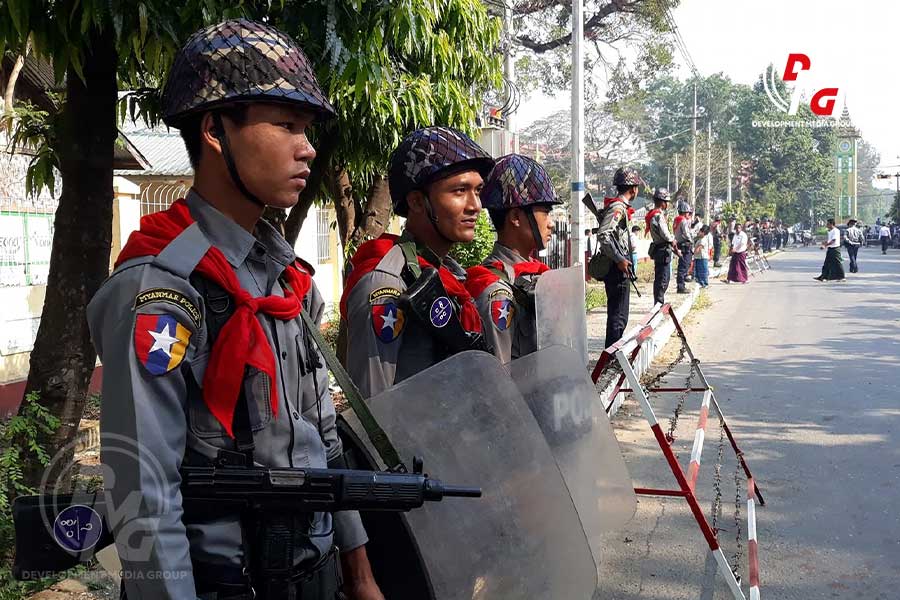
- Regime deploys nearly 100 police personnel to Sittwe amid intense fighting
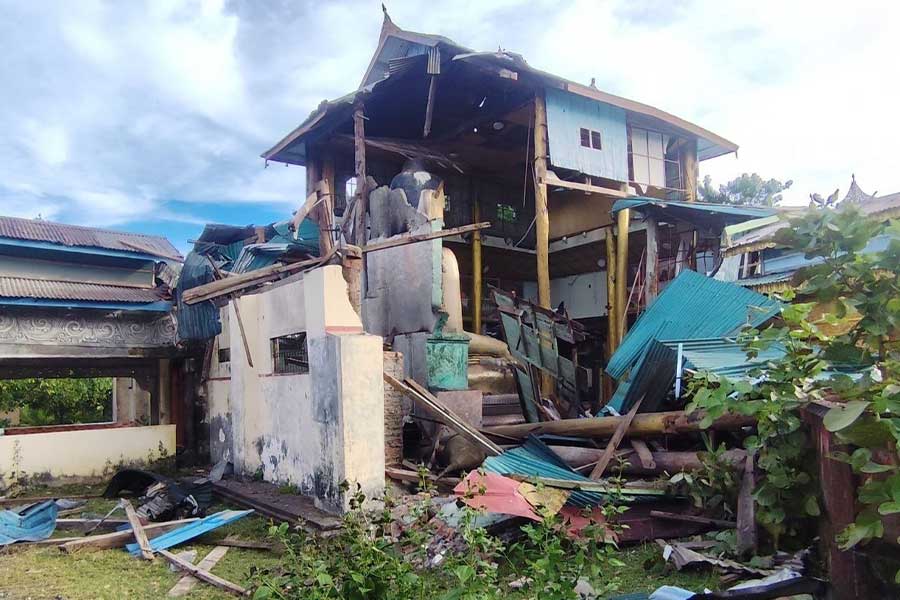
- Junta airstrikes on Kyeintali Town, nearby village injure two civilians
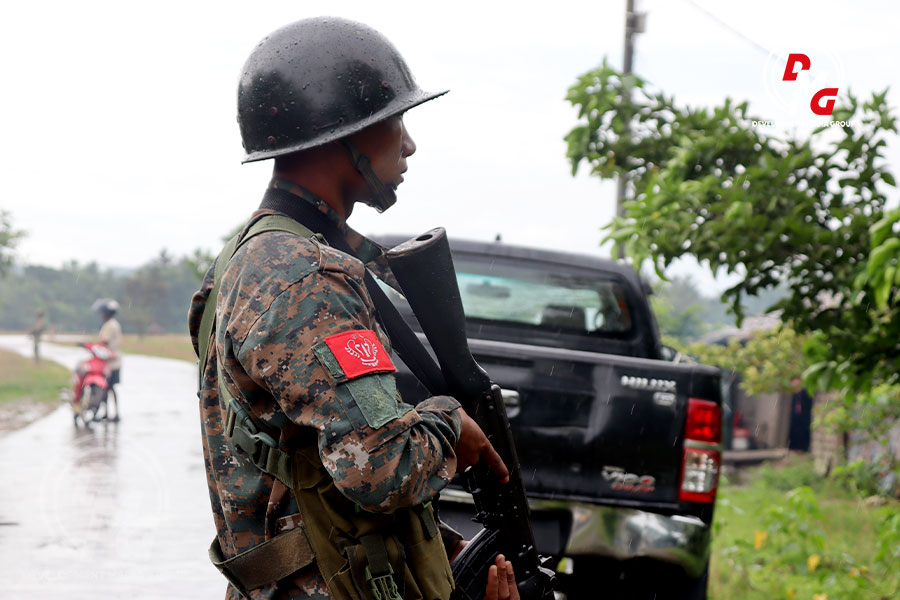
- AA clashes with ARSA in northern Maungdaw
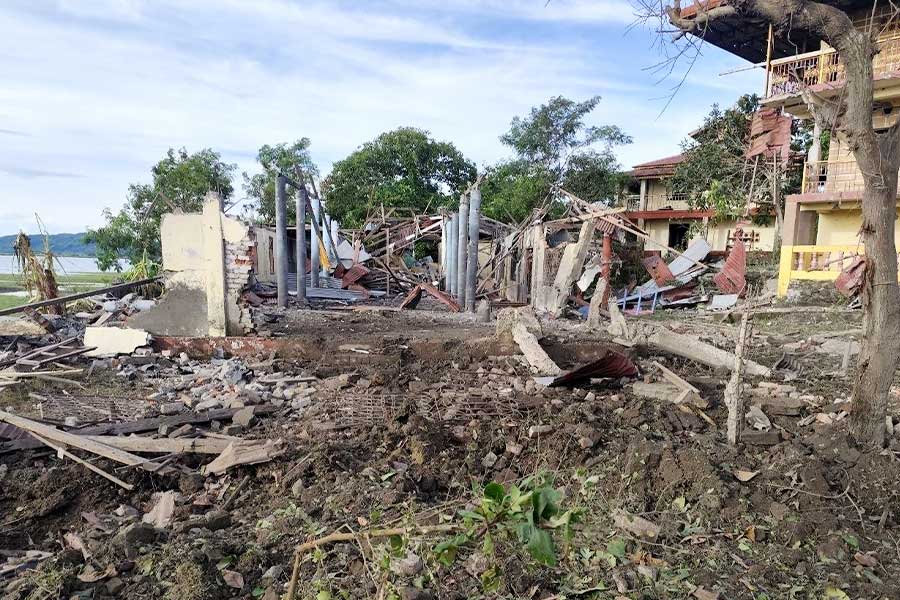
- Arakan records most armed incidents, civilian-targeted airstrikes in Myanmar: Report
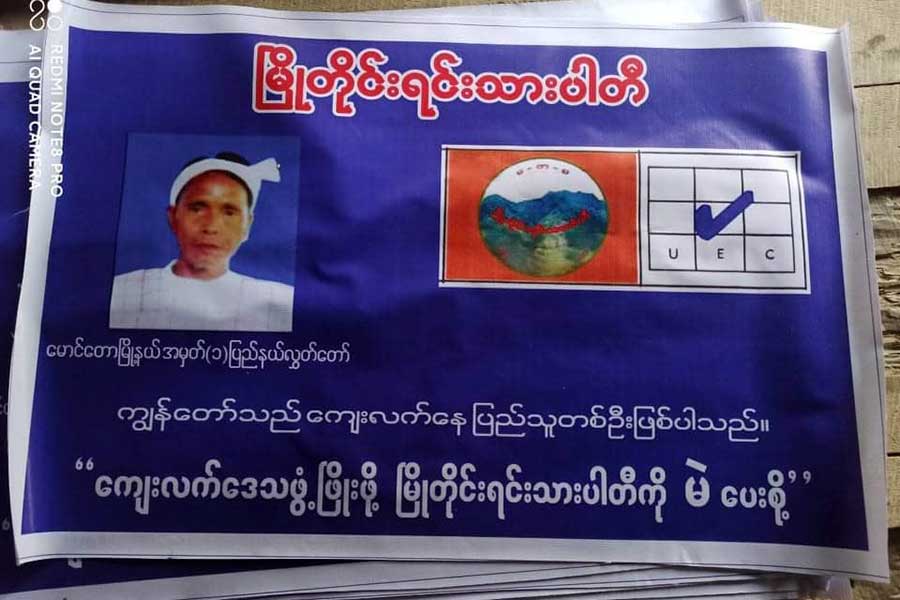
- Nay Pyi Taw talks between junta, MNDAA halt over special region demand
Min Aung Hlaing says regime's peace push will succeed despite ongoing war
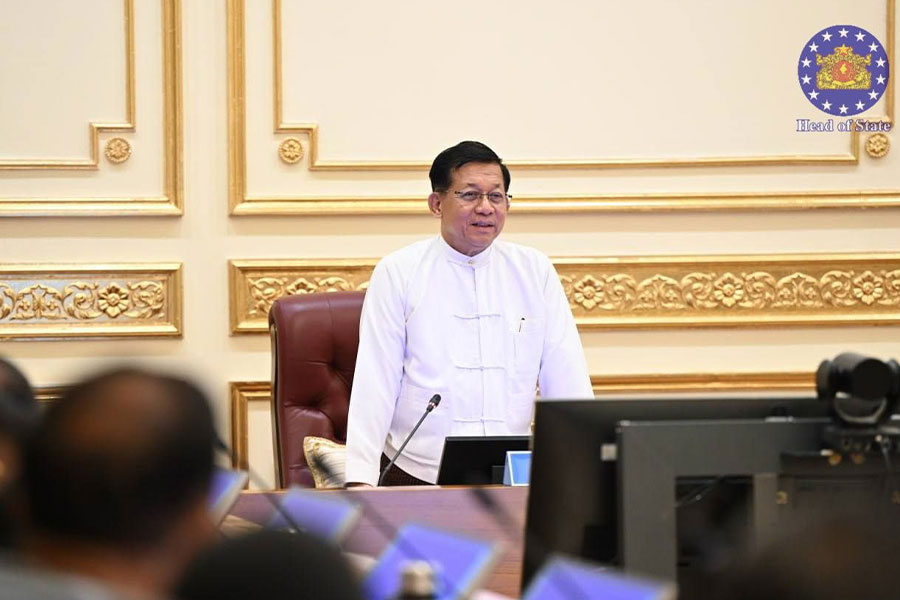
Self-appointed President Min Aung Hlaing said he remains confident that the peace process pursued by the military regime to end armed conflict in Myanmar will succeed.
24 Sep 2026
DMG Newsroom
24 September 2026, Nay Pyi Taw
Self-appointed President Min Aung Hlaing said he remains confident that the peace process pursued by the military regime to end armed conflict in Myanmar will succeed.
In an interview with TIME Magazine published yesterday, Min Aung Hlaing claimed that he had worked to achieve peace throughout the five years he led the country and continues to issue peace invitations to opposition groups.
"We are moving toward democracy," Min Aung Hlaing said. "We built democracy based on elections. Therefore, if they accept democracy, they should come and resolve matters through peace, which is why we issued peace invitations."
The former junta chief turned self-appointed president claimed that his 100-day peace initiative had succeeded, alleging that more than 4,000 people from various armed organizations surrendered during that period.
Min Aung Hlaing claimed that most of those who surrendered were young people, blaming politicians and opposition leaders for exploiting educational gaps to recruit young people into armed resistance.
Since Min Aung Hlaing assumed the presidency, the military regime has launched a 100-day peace initiative targeting ethnic revolutionary organizations. However, the military regime has failed to engage in meaningful dialogue with active resistance forces fighting on the ground.
Political and military analysts view the failure to negotiate with active resistance groups as a primary reason the military regime's peace invitations have continued to fail.
Although Chinese diplomatic pressure has led to ceasefires and negotiations with northern Shan State groups, including the Myanmar National Democratic Alliance Army (MNDAA) and Ta'ang National Liberation Army (TNLA), intense fighting continues with major resistance forces active on the ground.
The military regime has held no peace negotiations with active groups including the Arakan Army (AA), Kachin Independence Army (KIA), Karen National Union (KNU), Chin National Front (CNF), All Burma Students' Democratic Front (ABSDF), National Unity Government (NUG), Bamar People's Liberation Army (BPLA), Karenni Nationalities Defence Force (KNDF), Communist Party of Burma (CPB / People's Liberation Army), and local People's Defence Forces (PDF).
While talking about peace, the military regime has accelerated ground offensives and escalated airstrikes across the country, contributing to rising civilian casualties.
"When the regime cannot win militarily or when it attempts to call groups to the negotiation table, it demonstrates brutality by targeting and killing civilians to project power," writer Wai Hun Aung told DMG. "Resistance groups, including People's Defence Forces and Ethnic Revolutionary Organizations, care deeply about civilian lives. Because resistance groups enjoy overwhelming public support, the military regime acts out of malice and displays cruelty."
Political analysts view the military regime's peace overtures as a political tool intended to secure international backing, arguing that the peace envisioned by the military regime remains unattainable in reality.

Top News
Regime deploys nearly 100 police personnel to Sittwe amid intense fighting
By Admin 26 Sep 2026
Junta airstrikes on Kyeintali Town, nearby village injure two civilians
By Admin 26 Sep 2026
AA clashes with ARSA in northern Maungdaw
By Admin 26 Sep 2026
Arakan records most armed incidents, civilian-targeted airstrikes in Myanmar: Report
By Admin 26 Sep 2026



.jpg)