


- POWs say junta orders troops to fight without retreat in Arakan counteroffensive
- Junta airstrike hits Anjanapura Twsp village, forcing residents to flee
- Junta airstrike kills woman, injures another in Werathani
- Over 150 Kyauktaw villagers face displacement as Kaladan River erodes banks
- Malaria cases surge across Ann Twsp as residents struggle to access healthcare
Among IDPs in Arakan State, rising commodity prices further strain tenuous financial situations
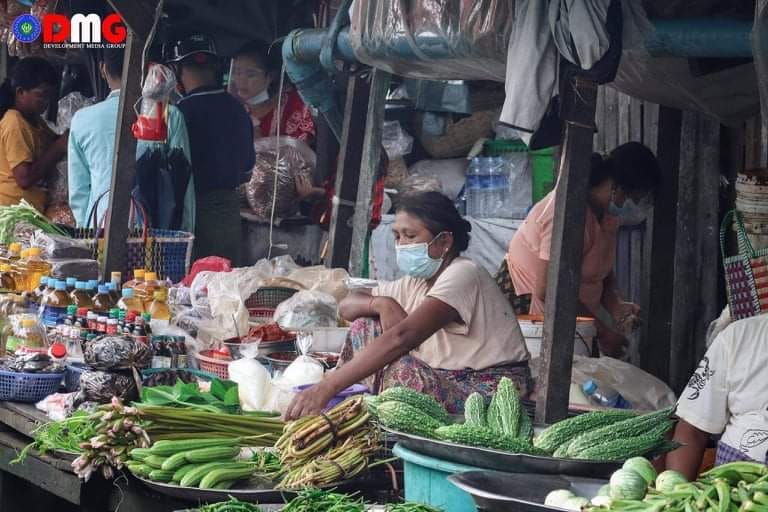
Internally displaced people (IDPs) in Arakan State say the rising prices of basic foodstuffs such as rice, cooking oil, iodised salt, onion and garlic are making life more difficult for those displaced by conflict.
22 Sep 2021
DMG Newsroom
22 September 2021, Sittwe
Internally displaced people (IDPs) in Arakan State say the rising prices of basic foodstuffs such as rice, cooking oil, iodised salt, onion and garlic are making life more difficult for those displaced by conflict.
The rising value of the US dollar in Myanmar has pushed up the prices of basic foodstuffs and consumer goods, according to food sellers.
The price of a bag of rice has risen from K47,000 to K54,000, while the price of one viss of seasoning powder has soared from K3,500 to over K7,000. One barrel of cooking oil climbed from K30,000 to K40,000 and prices for other food items are also on the rise, according to shop owners.
Daw Aye Aye Khaing, a woman in charge of the Taung Min Kalar IDP camp in Kyauktaw Township, said that rising commodity prices have made it more difficult for IDPs there to make ends meet.
“The World Food Programme (WFP) provides us with money and the government supplies us rice only. We have financial difficulties buying other essentials such as seasoning powder, iodised salt and cooking oil. If commodity prices continue to rise, we will be in trouble,” she added.
The government needs to provide job opportunities to address the plight of IDPs, said U Nyi Pu, an IDP from Sinbawkaing IDP camp in Mrauk-U Township.
“Commodity prices are rising and we have no money to buy necessary items. We would like to ask the concerned officials to create job opportunities for us,” he told DMG.
Daw Soe Hnin Yee, a grocery store owner in Mrauk-U, said shopkeepers were having difficulty selling their wares due to rising commodity prices.
“Everyone is struggling financially for the time being. Consumers are no longer buying as much as they used to because commodity prices are rising. So we have fewer sales. Shop owners are no longer able to invest much,” she explained.
The prices of basic foodstuffs, pharmaceuticals and many consumer goods have steadily risen in Myanmar following the military coup on February 1.

Top News
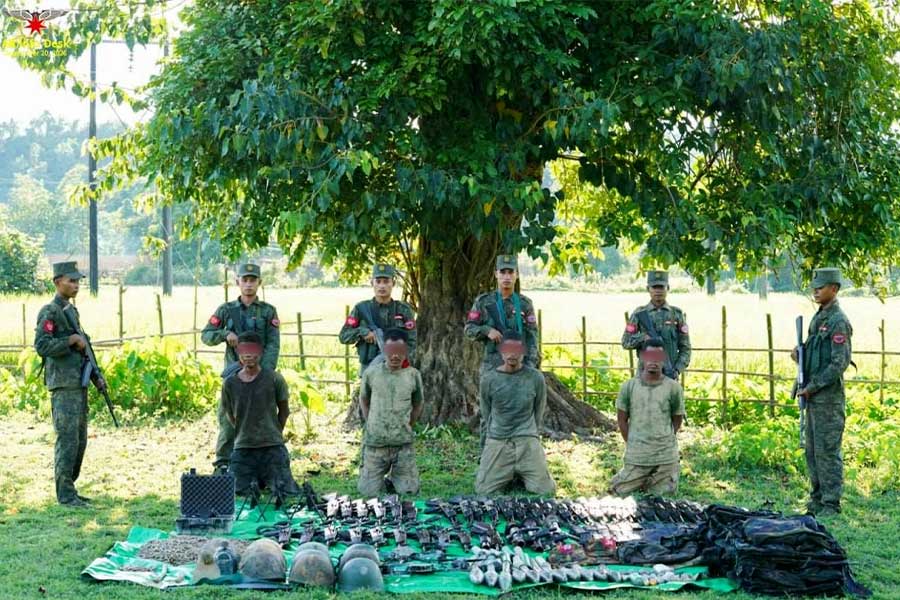
POWs say junta orders troops to fight without retreat in Arakan counteroffensive
By Admin 21 Sep 2026

Junta airstrike hits Anjanapura Twsp village, forcing residents to flee
By Admin 21 Sep 2026

Junta airstrike kills woman, injures another in Werathani
By Admin 21 Sep 2026
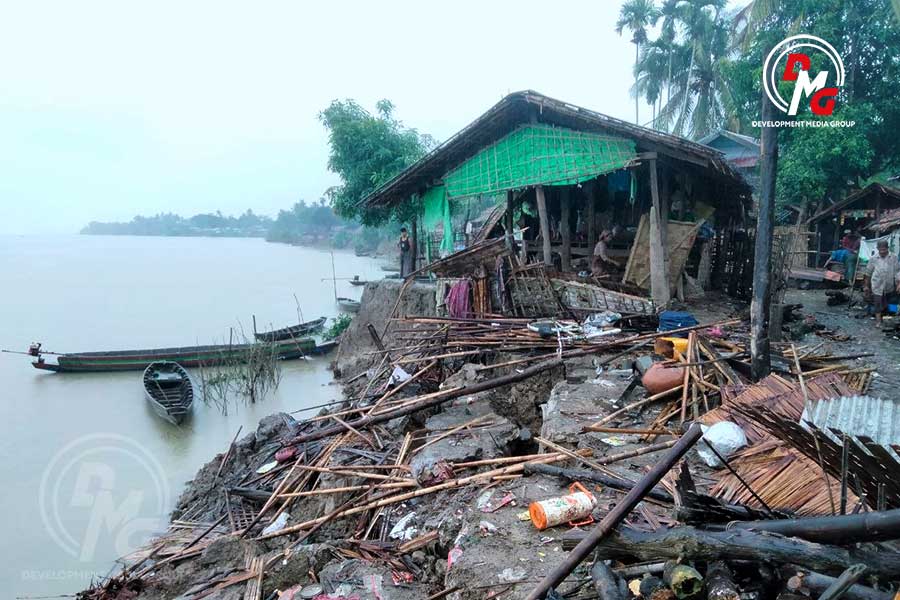
Over 150 Kyauktaw villagers face displacement as Kaladan River erodes banks
By Admin 21 Sep 2026

Media outlets can verify Arakan State news through Justice For Arakan: ULA official
By Admin 20 Sep 2026





.jpg)