


- Magway records most airstrikes since new military chief took command: ISP-Myanmar
- Junta warship destroys two fishing boats, seizes another off Werathani
- Junta jet fighters drop 500-pound bombs on former junta battalions in Mrauk-U
- Junta deploys fighter jets to bomb Ponnagyun
- Rathedaung villagers set up night watches amid Sittwe clashes, ARSA threat
Fierce fighting erupts across Sittwe; residents urged to remain on high alert
Political observers and local residents are urging civilians in areas controlled by the Arakan Army (AA) to remain on high alert as clashes between the Myanmar military regime and the Arakanese ethnic armed group intensify near the state capital of Sittwe.
07 Mar 2026
DMG Newsroom
7 March 2026, Sittwe
Political observers and local residents are urging civilians in areas controlled by the Arakan Army (AA) to remain on high alert as clashes between the Myanmar military regime and the Arakanese ethnic armed group intensify near the state capital of Sittwe.
Simultaneous battles are reportedly taking place in at least 14 locations, including Amyint Kyun, Myitnar, Nyoyaungchaung, Wahbo, Tawkan, Kyantaw, Theinta, Yartan, Zawmadet, and the Shwe Mingan naval station in Sittwe Township, as well as Hsarkonpote, Yeyoepyin and Aungmyaykon Villages in Ponnagyun Township.
To support their defensive positions, the Sittwe-based No. 12 Police Battalion and Light Infantry Battalion 20 have been launching multiple-launch rocket strikes.
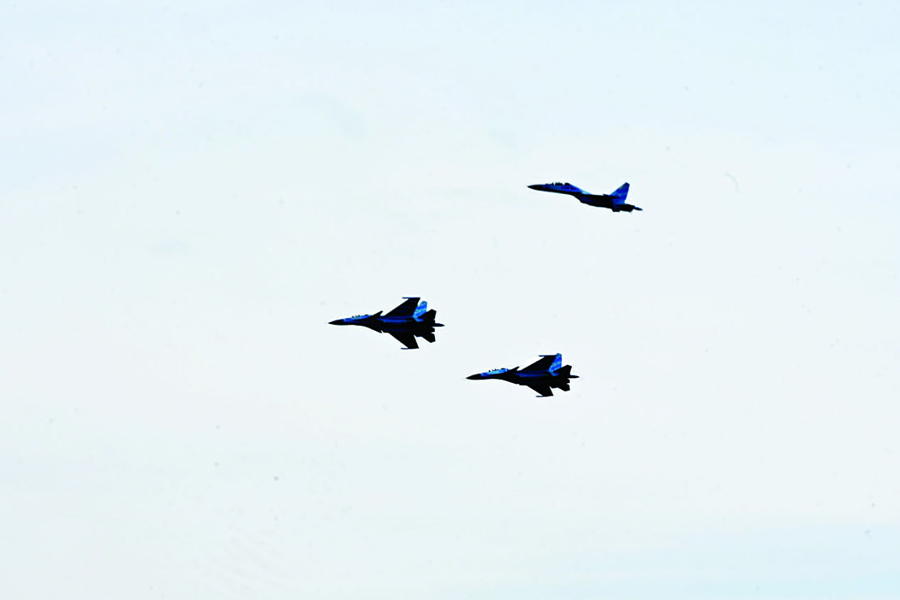
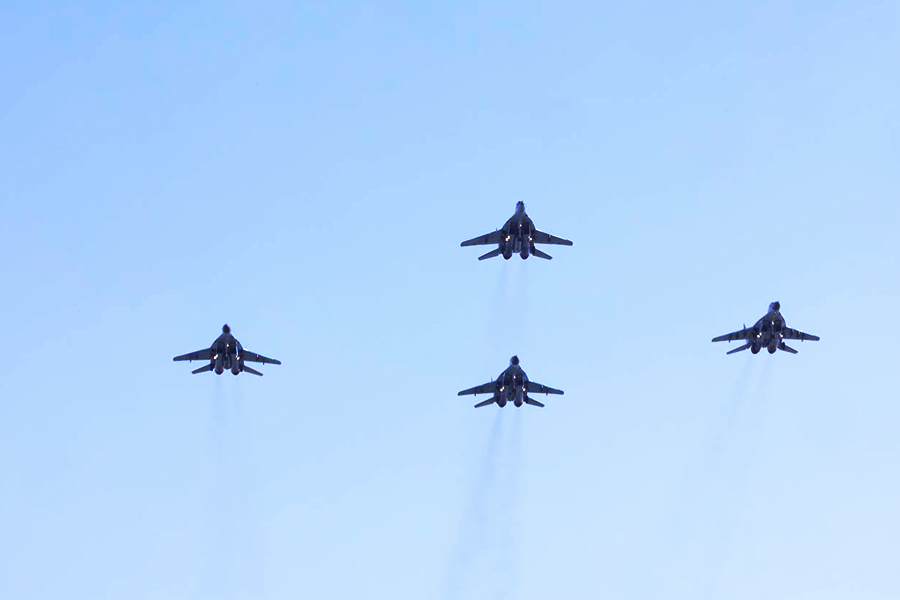
Meanwhile, the military regime has also carried out targeted aerial bombardments on several Arakanese residential areas.
Writer Wai Hun Aung, a political analyst, warned that the junta frequently disregards the laws of armed conflict.
“This is not a military that follows the rules of war. As fighting intensifies in Sittwe and Kyaukphyu, we are seeing the regime intentionally increase mass airstrikes. It is essential for people to avoid large gatherings, festivals or crowded living conditions during this period. Every household should prioritize building bomb shelters,” he said.
The Arakan Army has recently launched offensives against military outposts, including the strategic Shwe Mingan naval station in Sittwe, prompting the regime to respond with heavy combined resistance from its army, navy and air force.
Community leaders warn that the regime, having suffered significant losses on multiple fronts in Sittwe and Kyaukphyu, often resorts to retaliatory airstrikes against civilians.
Residents are therefore being urged to exercise extreme caution. Social organizations have also recommended suspending public festivals and large gatherings to minimize the risks posed by aerial attacks.
Locals have suggested that the Arakan Army enhance its early warning systems for air raids across villages.
“The Arakan Army should provide more systematic air-raid warnings for the public. With modern air-raid warning apps now available, villages should coordinate to secure Starlink connections. When a threat is detected, residents should be alerted immediately via loudspeakers or public address systems so they can reach safety in time,” a resident of Mrauk-U said.
Residents are also advised to limit religious and social ceremonies and avoid using loud sound systems at night.
“When the regime suffers losses in Sittwe, they often retaliate by bombing Ponnagyun, Kyauktaw and Mrauk-U. Therefore, people in areas controlled by the Arakan Army should scale back celebrations and avoid loud music that could mask the sound of approaching aircraft,” another local resident noted.
According to a March 6 report by Bi-Weekly News Review, the military regime has significantly increased its use of “suicide drones” across Myanmar compared to the previous two weeks.
The report indicates that the junta’s primary targets for airstrikes are areas controlled by the Arakan Army (AA), the Karen National Union (KNU), and the Kachin Independence Army (KIA), followed by territories held by People’s Defence Forces (PDF/LDF).
Local residents say the situation has reached a critical stage where constant monitoring of drone activity and aerial threats is vital for survival.

Top News
Magway records most airstrikes since new military chief took command: ISP-Myanmar
By Admin 17 Sep 2026
Junta warship destroys two fishing boats, seizes another off Werathani
By Admin 17 Sep 2026
Junta jet fighters drop 500-pound bombs on former junta battalions in Mrauk-U
By Admin 17 Sep 2026

JFM calls for Myanmar military to be barred from ARF drone workshop
By Admin 17 Sep 2026
Junta deploys fighter jets to bomb Ponnagyun
By Admin 17 Sep 2026





.jpg)