
- Heavy clashes erupt between junta and Arakan Army near Sittwe
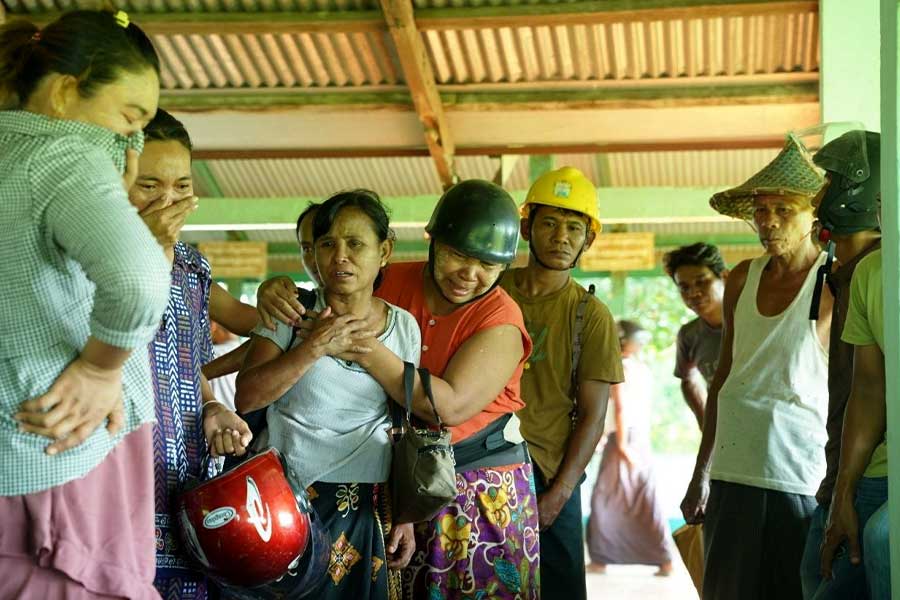
- Arakan residents suffer severe mental and physical distress amid junta airstrikes
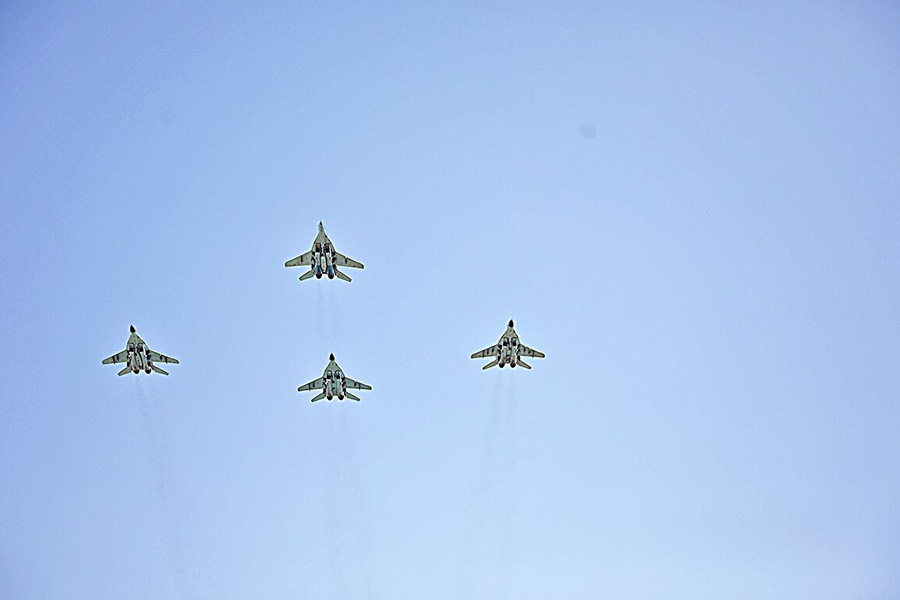
- Junta jet fleet bombs at least three locations in Kyauktaw
- Junta aerial bombardment of Taungup leaves two residents dead, one injured
- Junta deploys 2,000 troops in major offensive against AA-held territory: ISP-Myanmar
Two ethnic Chakma men injured in Maungdaw landmine blast
Two ethnic Chakma men were injured after stepping on a landmine while foraging for bamboo in Thinbawhla Village, Maungdaw Township, Arakan State, according to local sources.
07 Oct 2026
DMG Newsroom
7 October 2026, Maungdaw
Two ethnic Chakma men were injured after stepping on a landmine while foraging for bamboo in Thinbawhla Village, Maungdaw Township, Arakan State, according to local sources.
At around 10:00 a.m. on October 3, four local residents from Thinbawhla Village entered a forested area about 1.5 miles northeast of the village to harvest bamboo when the landmine detonated.
“Normally, local villagers earn their livelihoods in this forest area by foraging for wood, bamboo, and fish or working on nearby hillside farms,” Ko Ree Naung from Thinbawhla Village said. “Four men went out that day to cut bamboo. They stepped on the landmine while checking animal snares they had set up.”
The blast caused severe leg injuries to 36-year-old U Hla Maung, while U Aung Mya Kyaw, aged around 40, sustained eye injuries.
U Hla Maung is currently receiving emergency medical treatment at a hospital, while his family urgently needs financial assistance to cover his medical expenses.
“They are poor villagers who rely entirely on the surrounding forests and mountains for their daily survival,” another local resident said. “They desperately need financial assistance for medical treatment.”
Local residents said areas near Thinbawhla, Taungpyo, and Meetaik villages in northern Maungdaw, along the Bangladesh border, contain former military encampments, resulting in frequent landmine explosions.
Because ethnic Chakma communities in northern Maungdaw villages such as Thinbawhla, Taungpyo, and Meetaik rely heavily on forest foraging for their livelihoods, the lingering threat of landmines is severely disrupting their basic livelihoods.

Top News
Heavy clashes erupt between junta and Arakan Army near Sittwe
By Admin 07 Oct 2026
Arakan residents suffer severe mental and physical distress amid junta airstrikes
By Admin 07 Oct 2026
Junta jet fleet bombs at least three locations in Kyauktaw
By Admin 07 Oct 2026
Two ethnic Chakma men injured in Maungdaw landmine blast
By Admin 07 Oct 2026
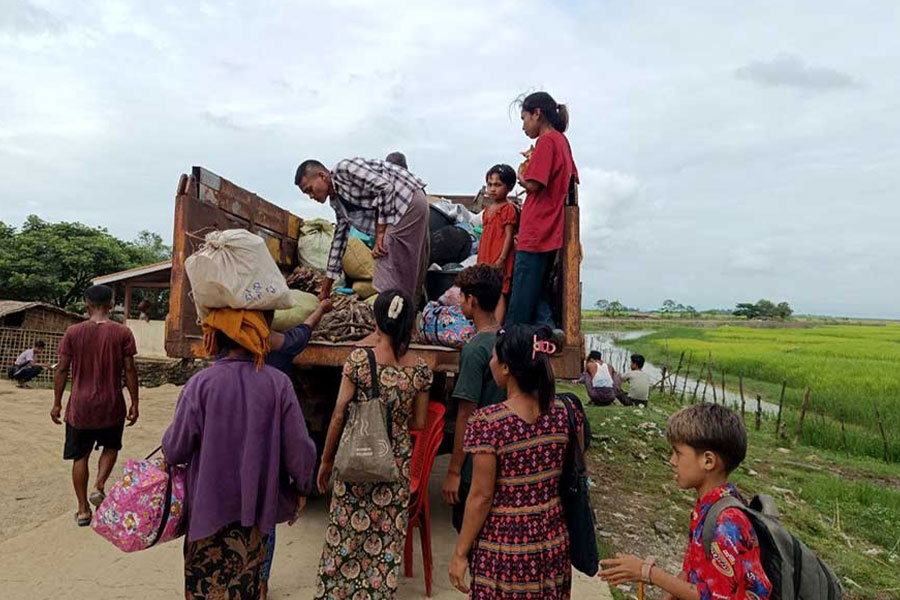
Ponnagyun residents flee en masse as junta airstrikes target displacement camps
By Admin 06 Oct 2026