

- Magway records most airstrikes since new military chief took command: ISP-Myanmar
- Junta warship destroys two fishing boats, seizes another off Werathani
- Junta jet fighters drop 500-pound bombs on former junta battalions in Mrauk-U
- Junta deploys fighter jets to bomb Ponnagyun
- Rathedaung villagers set up night watches amid Sittwe clashes, ARSA threat
High hepatitis cases hit children in Arakan State
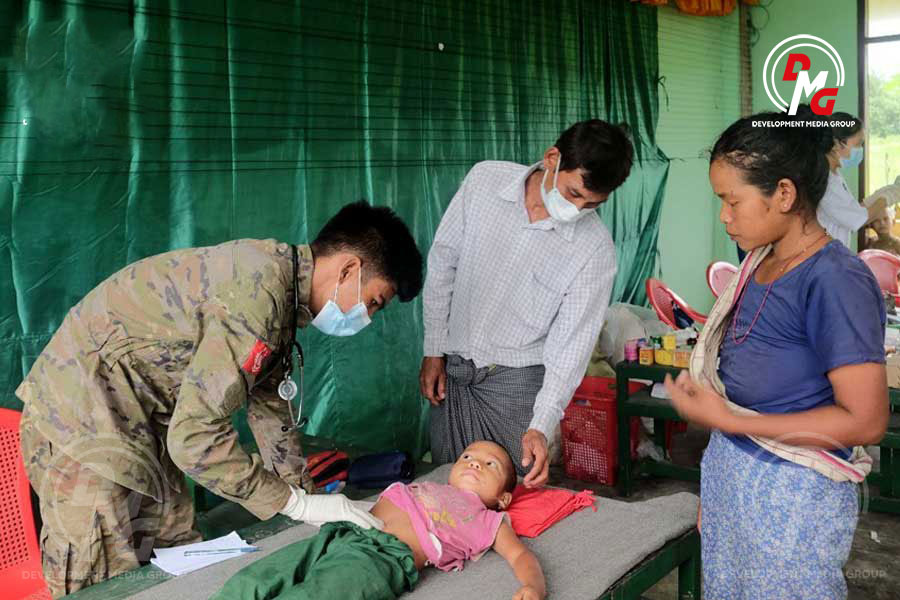
Children in Kyauktaw, Mrauk-U, and Minbya Townships, areas under the control of the Arakan Army, are facing a rising outbreak of hepatitis, local residents and healthcare sources report.
23 Feb 2026
DMG Newsroom
23 February 2026, Kyauktaw
Children in Kyauktaw, Mrauk-U, and Minbya Townships, areas under the control of the Arakan Army, are facing a rising outbreak of hepatitis, local residents and healthcare sources report.
The outbreak reportedly began in early February, with children under 15 most affected, according to a source close to the health community.
"Roughly five out of ten children are contracting it. I haven't heard of cases requiring hospitalization yet, but they have to visit clinics where doctors provide the necessary medication," the source said.
Hepatitis is a viral infection typically transmitted through contaminated food and water. Health professionals say symptoms include fever, fatigue, loss of appetite, nausea, vomiting, abdominal pain, jaundice (yellowing of the eyes), dark urine, and joint pain. Severe cases can be life-threatening.
"My niece has been feverish for about three days. At first, we thought it was just a common fever, but after seeing a doctor, we found out it was hepatitis. The doctor advised her to limit certain foods and said she would gradually recover," said a local resident in Kyauktaw.
The Ministry of Health recommends preventive measures including maintaining good personal hygiene, frequent handwashing, avoiding fly-contaminated food, and drinking water that is boiled, purified with tablets, or approved by the Food and Drug Administration.
Healthcare professionals advise that infected children should rest, maintain a nutritious diet, stay hydrated, and take prescribed medication regularly to ensure full recovery.

Top News
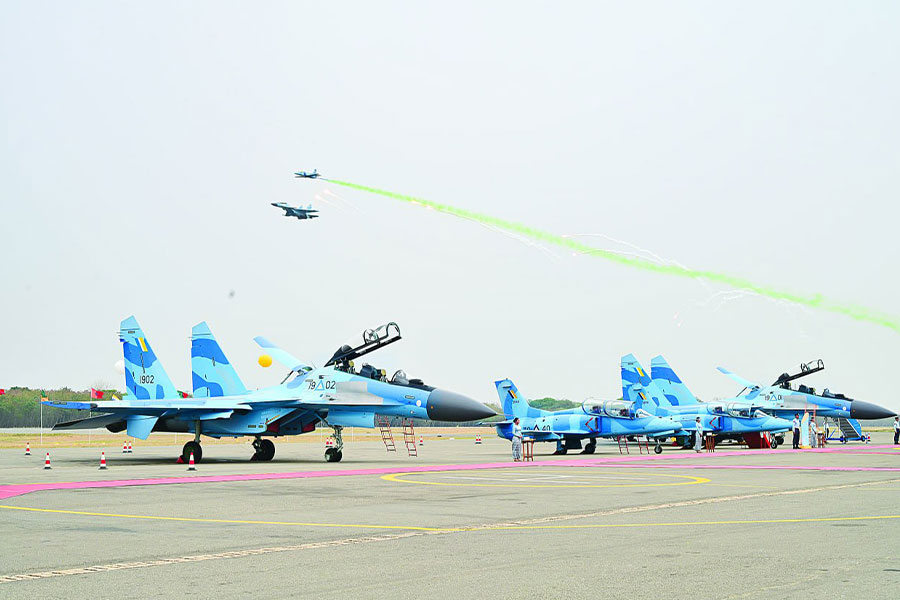
Magway records most airstrikes since new military chief took command: ISP-Myanmar
By Admin 17 Sep 2026

Junta warship destroys two fishing boats, seizes another off Werathani
By Admin 17 Sep 2026
Junta jet fighters drop 500-pound bombs on former junta battalions in Mrauk-U
By Admin 17 Sep 2026

JFM calls for Myanmar military to be barred from ARF drone workshop
By Admin 17 Sep 2026

Junta deploys fighter jets to bomb Ponnagyun
By Admin 17 Sep 2026

.jpg)