

- 86% of journalist killings remain unresolved worldwide: UNESCO
- Weekly Highlights from Arakan (October 26 to November 1, 2026)
- Junta airstrikes kill 209 civilians in Arakan over 10 months: DMG tally
- US links Myanmar peace strategy to rare-earth access and trade
- Monk wounded as junta airstrike hits Buddhist monastery in Kyauktaw
86% of journalist killings remain unresolved worldwide: UNESCO
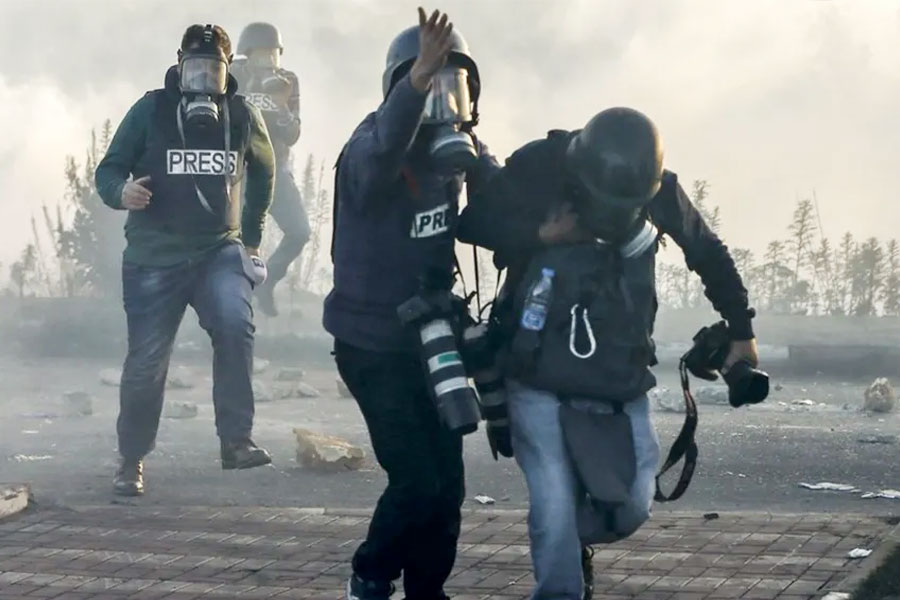
Nearly nine out of ten journalist killings worldwide remain unresolved, with global impunity rising for the first time since 2012, according to a UNESCO report released on November 2.
03 Nov 2026
DMG Newsroom
3 November 2026, Yangon
Nearly nine out of ten journalist killings worldwide remain unresolved, with global impunity rising for the first time since 2012, according to a UNESCO report released on November 2.
The United Nations Educational, Scientific and Cultural Organization (UNESCO) said the global impunity rate increased from 85 percent to 86 percent, reversing previous progress in efforts to hold perpetrators accountable.
The findings were released to mark the International Day to End Impunity for Crimes against Journalists, observed annually on November 2.
According to UNESCO, 189 journalists were killed worldwide in 2024 and 2025, a 20 percent increase compared with the previous two-year period. Of those killed, 127 died in conflict zones, accounting for 67 percent of the total.
The report also highlighted growing threats from military technology, revealing that 50 journalists were killed in drone strikes during the two-year period, representing approximately 40 percent of deaths in conflict zones.
Despite the worsening global situation, UNESCO reported progress in countries outside armed conflict, where the impunity rate declined from 94 percent in 2012 to 77 percent in 2026.
However, more than three-quarters of journalist killings in those countries remain judicially unresolved.
UNESCO said stronger investigations, prosecutions and protection measures could help reduce impunity and improve journalist safety.
The findings are particularly relevant to Myanmar, where independent journalists have faced arrests, imprisonment, threats and severe restrictions on reporting since the military coup in February 2021.
Journalists covering armed conflict in Arakan (Rakhine State) and other parts of Myanmar continue to work amid security risks, communication restrictions and limited access to information.
UNESCO warned that impunity threatens not only journalists but also freedom of expression, public access to information and the rule of law.
The United Nations designated November 2 as the International Day to End Impunity for Crimes against Journalists in 2013, commemorating two French journalists killed in Mali that year.
Under its 2026 campaign theme, “Threats Evolve. Impunity Endures,” UNESCO called for stronger accountability mechanisms and improved protection for journalists, particularly in conflict-affected countries.
The findings underscore the continuing challenges of ensuring justice for journalists killed while carrying out their professional duties.

Top News
86% of journalist killings remain unresolved worldwide: UNESCO
By Admin 03 Nov 2026
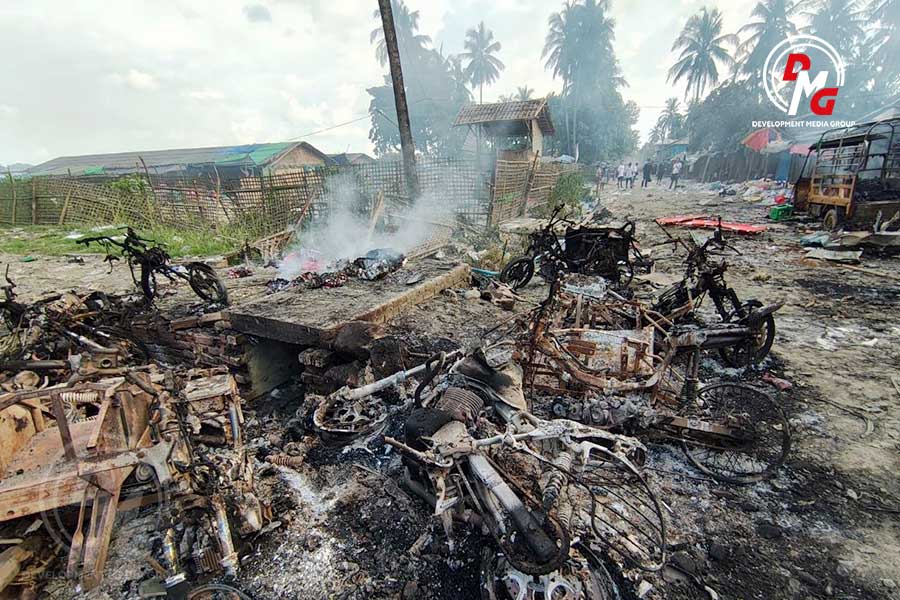
Junta airstrikes kill 209 civilians in Arakan over 10 months: DMG tally
By Admin 03 Nov 2026
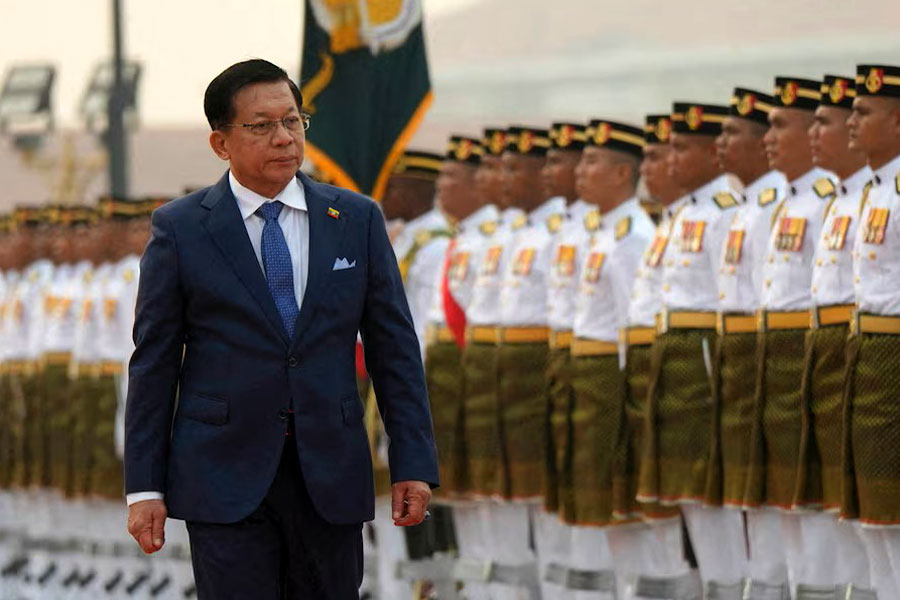
US links Myanmar peace strategy to rare-earth access and trade
By Admin 03 Nov 2026
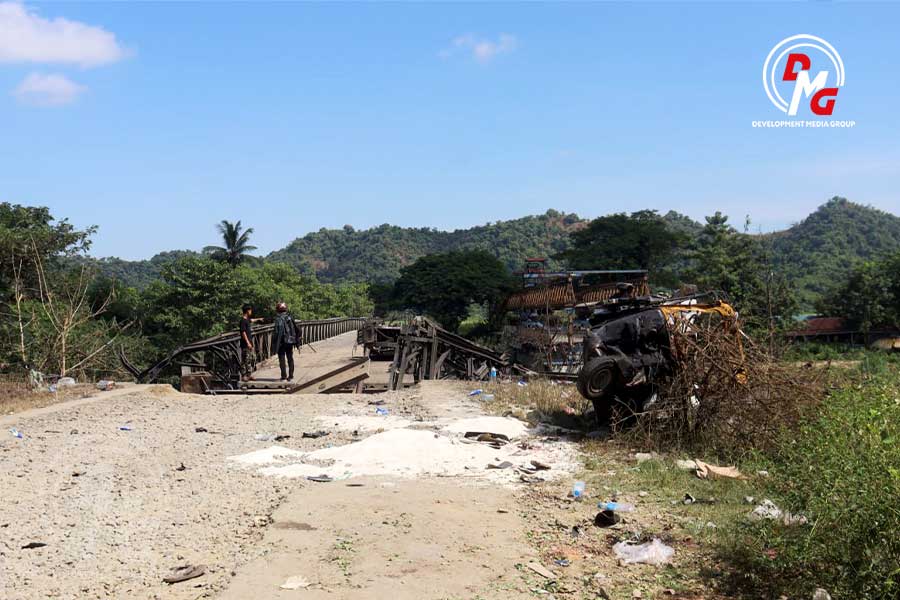
Monk wounded as junta airstrike hits Buddhist monastery in Kyauktaw
By Admin 03 Nov 2026
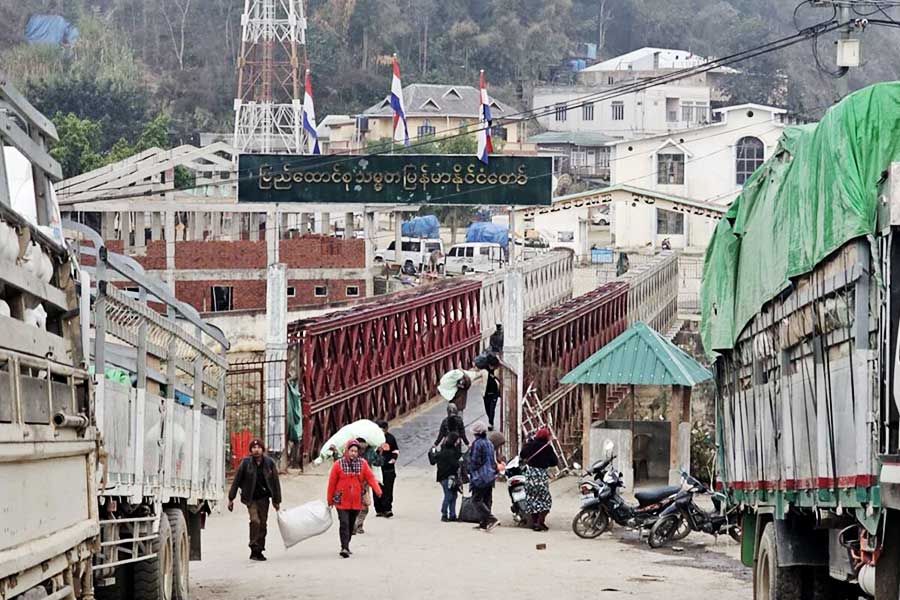
ULA/AA signs border trade pact with Mizoram transport association
By Admin 03 Nov 2026