

- 86% of journalist killings remain unresolved worldwide: UNESCO
- Weekly Highlights from Arakan (October 26 to November 1, 2026)
- Junta airstrikes kill 209 civilians in Arakan over 10 months: DMG tally
- US links Myanmar peace strategy to rare-earth access and trade
- Monk wounded as junta airstrike hits Buddhist monastery in Kyauktaw
US links Myanmar peace strategy to rare-earth access and trade
The United States has outlined a strategy to support a lasting peace agreement in Myanmar by 2030 while seeking greater access to rare-earth resources, expanding American trade and strengthening regional influence, according to a US State Department document approved on August 31, 2026.
03 Nov 2026
DMG Newsroom
3 November 2026, Yangon
The United States has outlined a strategy to support a lasting peace agreement in Myanmar by 2030 while seeking greater access to rare-earth resources, expanding American trade and strengthening regional influence, according to a US State Department document approved on August 31, 2026.
The 11-page US Mission to Burma strategy identifies four priorities: combating security threats affecting Americans, expanding US economic opportunities, supporting peace negotiations and strengthening diplomatic and humanitarian engagement.
Under its peace agenda, Washington aims to support a durable ceasefire that could lead to a lasting peace agreement by 2030.
The document proposes facilitating at least three multistakeholder forums to develop agreements or policy proposals on fiscal federalism and territorial boundaries, issues that have long complicated Myanmar's political conflicts.
Significantly, the strategy explicitly connects these initiatives to opportunities for accessing Myanmar's rare-earth resources and combating online scam centres.
Myanmar possesses substantial rare-earth deposits, particularly in conflict-affected areas, with China currently a major destination for the country's mineral exports.
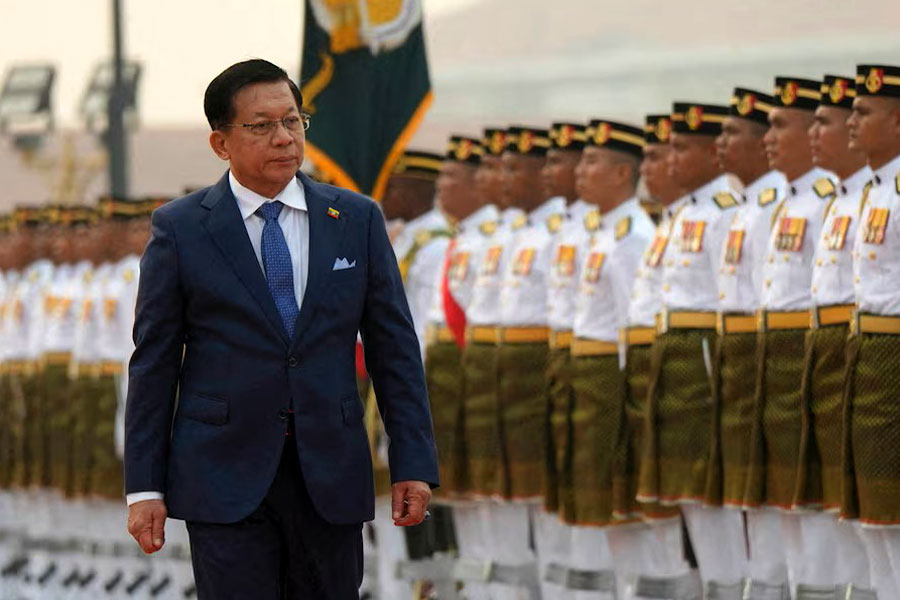
The strategy comes amid a shift in Washington's engagement with Myanmar's military-backed administration.
Reuters reported that US officials, including senior State Department official Michael Vance, have held direct discussions with Myanmar authorities, marking a departure from years of diplomatic isolation following the February 2021 military coup.
However, Washington continues to maintain sanctions against military leader Min Aung Hlaing and other military-linked individuals and businesses.
On economic cooperation, the strategy aims to secure at least three commercial or investment agreements worth more than US$5 million each and triple Myanmar's imports of American goods and agricultural products by 2030.
The document identifies import licensing restrictions and foreign currency shortages as obstacles to expanding trade.
Security cooperation is another priority, particularly efforts to combat online fraud networks, narcotics trafficking and other transnational criminal activities affecting American citizens.
Washington also seeks stronger cooperation with Myanmar authorities on repatriating Myanmar nationals from the United States.
On humanitarian assistance, the strategy aims to reach at least three million vulnerable people while strengthening cooperation with regional partners, including ASEAN, India, Japan, Australia and South Korea.
The document also reflects Washington's intention to counter China's influence in Myanmar through greater diplomatic and economic engagement.
Nevertheless, the strategy outlines policy objectives rather than confirmed peace agreements or investment commitments.
It does not identify which armed organisations would participate in proposed peace discussions or clarify whether Washington intends to ease existing sanctions to facilitate American investment.
The strategy highlights an emerging US approach that links conflict resolution and regional security with economic interests in Myanmar, where prolonged armed conflict continues to complicate prospects for a nationwide peace settlement.

Top News
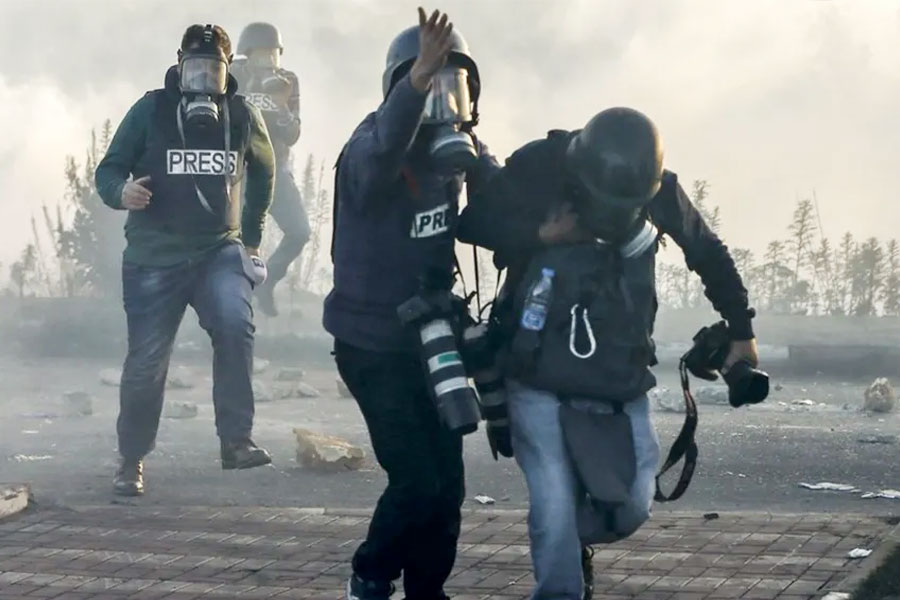
86% of journalist killings remain unresolved worldwide: UNESCO
By Admin 03 Nov 2026
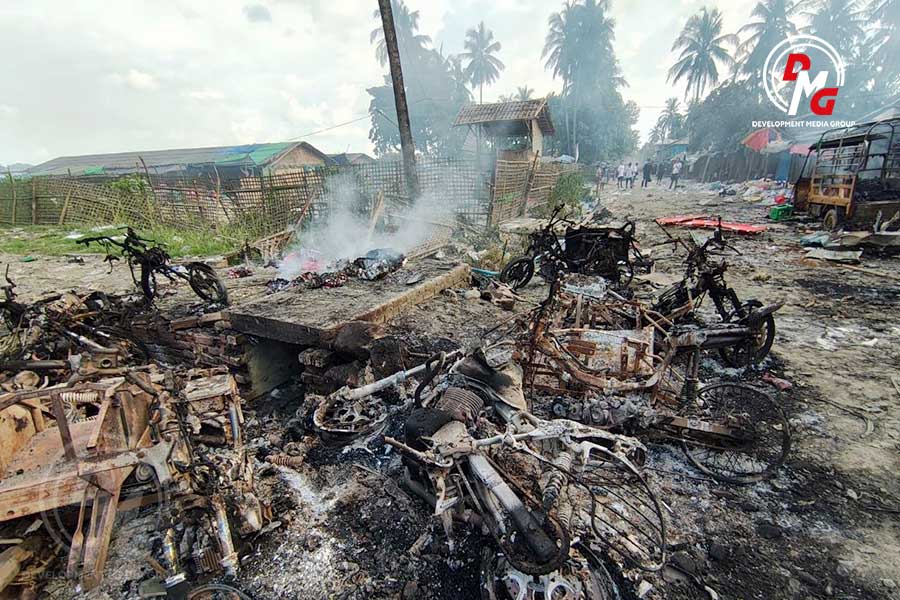
Junta airstrikes kill 209 civilians in Arakan over 10 months: DMG tally
By Admin 03 Nov 2026
US links Myanmar peace strategy to rare-earth access and trade
By Admin 03 Nov 2026
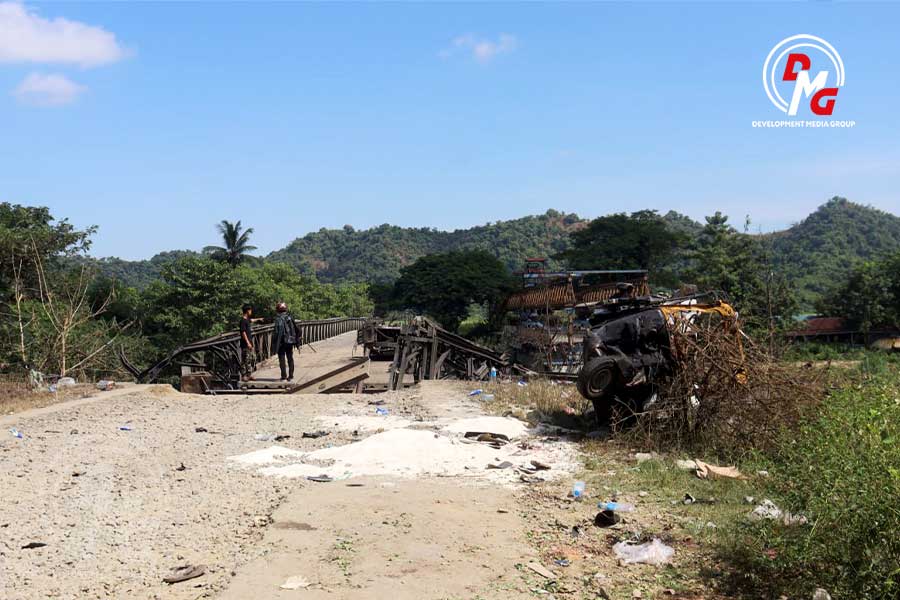
Monk wounded as junta airstrike hits Buddhist monastery in Kyauktaw
By Admin 03 Nov 2026
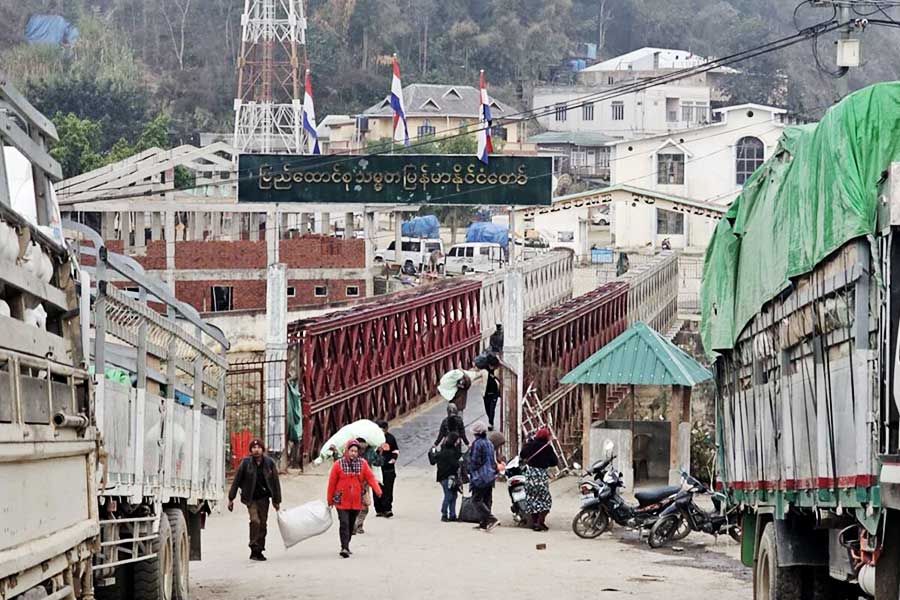
ULA/AA signs border trade pact with Mizoram transport association
By Admin 03 Nov 2026