
- Junta airstrikes lead Myanmar conflict incidents: NLTA’s conflict diary
- Six civilians killed, 16 injured in Arakan attacks over 11 days: AA
- Regime deploys nearly 100 police personnel to Sittwe amid intense fighting
- Junta airstrikes on Kyeintali Town, nearby village injure two civilians
- AA clashes with ARSA in northern Maungdaw
HRW reports torture, sexual violence against female political prisoners in Myanmar
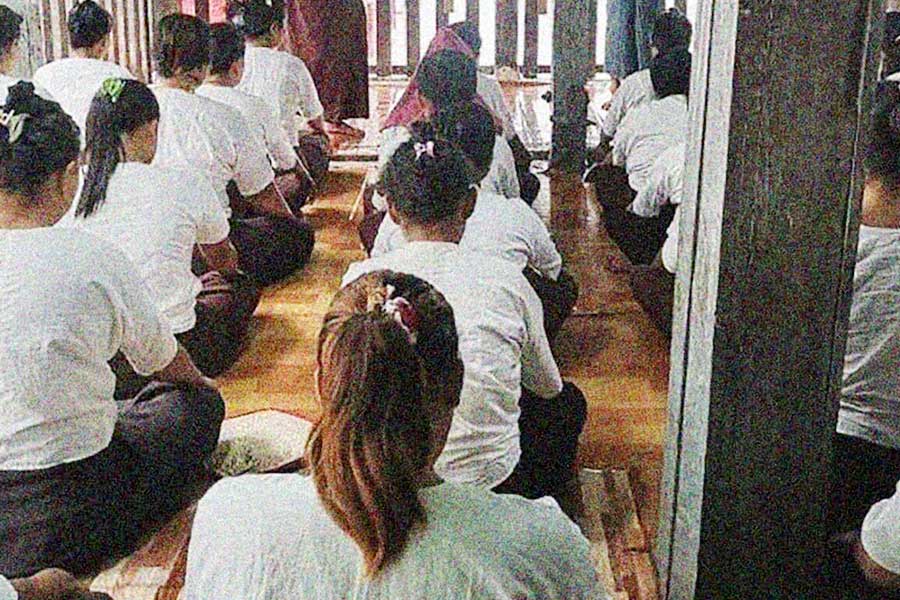
Female political prisoners in Myanmar face widespread physical and psychological torture, as well as severe sexual violence, in prisons, interrogation centers, and military bases across the country, Human Rights Watch (HRW) stated in a report released on September 23.
26 Sep 2026
DMG Newsroom
26 September 2026, Yangon
Female political prisoners in Myanmar face widespread physical and psychological torture, as well as severe sexual violence, in prisons, interrogation centers, and military bases across the country, Human Rights Watch (HRW) stated in a report released on September 23.
Prison authorities beat female political prisoners with wooden batons and iron chains, subject them to electric shocks and cigarette burns, force them into prolonged stress positions, subject them to sexual violence, and hold them in solitary confinement for months at a time, according to the report.
In addition, authorities conduct frequent body searches under the pretext of security, commit rape, and inflict sexual harassment, leaving female political prisoners suffering from severe psychological trauma, including insomnia and severe anxiety.
“Women incarcerated in Myanmar vividly describe a disturbing tapestry of systemic neglect, deliberate suffering, and routine degradation,” Bryony Lau, deputy Asia director at Human Rights Watch, said.
The deputy director added that, beyond facing arbitrary arrest and torture during incarceration, women face persistent fear and lasting psychological trauma long after their release.
Former female political prisoners report that inadequate healthcare, shortages of qualified medical personnel, and an absolute lack of medicine and medical equipment in prisons create life-threatening conditions during medical emergencies.
A representative from the Political Prisoners Network - Myanmar (PPNM) stated that Thayawady Prison has only three doctors for more than 3,000 inmates, while Insein Prison has roughly five doctors for more than 8,000 prisoners.
Female political prisoners are systematically denied adequate healthcare during pregnancy, childbirth, and postnatal care, while simultaneously enduring torture that jeopardizes their health and lives.
“As ultrasound scans were unavailable, we could not determine expected delivery dates,” a former female political prisoner said. “When my water broke at midnight, authorities delayed hospital transfer until around 10:00 a.m. the following morning. Immediately after giving birth and leaving the delivery room, they placed iron shackles back on my feet.”
A woman who served a three-year prison sentence noted that receiving medical treatment required waiting for months, bribing prison guards, and paying out of pocket for external medical supplies.
Overcrowded cells, a lack of basic personal hygiene supplies, insufficient water supplies, and reduced food rations continue to cause severe health deterioration and deaths among female prisoners and young children.
The Political Prisoners Network - Myanmar warned that political prisoners face relentless, life-threatening human rights violations in prisons across Myanmar.
“The situation for political prisoners goes far beyond harsh prison conditions; they are completely deprived of fundamental human rights, including the right to life, healthcare, human dignity, and protection from torture,” a PPNM representative said.
“Crucially, the international community must not forget political prisoners as time passes,” the PPNM representative added. “International actors must continue documenting human rights violations taking place behind prison walls, exposing them, and maintaining pressure to ensure perpetrators are held accountable.”
Between 2025 and 2026, Human Rights Watch interviewed 17 former female political prisoners, three family members, and four lawyers and political prisoner advocates.
Since the military coup, the military regime has detained activists, journalists, and healthcare workers across at least 11 interrogation centers and prisons.
Of more than 30,000 political prisoners detained in Myanmar since the February 2021 military coup, approximately 6,600 are women and 640 are young children.
According to Human Rights Watch, at least 290 political prisoners died in detention between February 1, 2021, and September 16, 2026, including 43 female political prisoners and children.

Top News
Junta airstrikes lead Myanmar conflict incidents: NLTA’s conflict diary
By Admin 28 Sep 2026
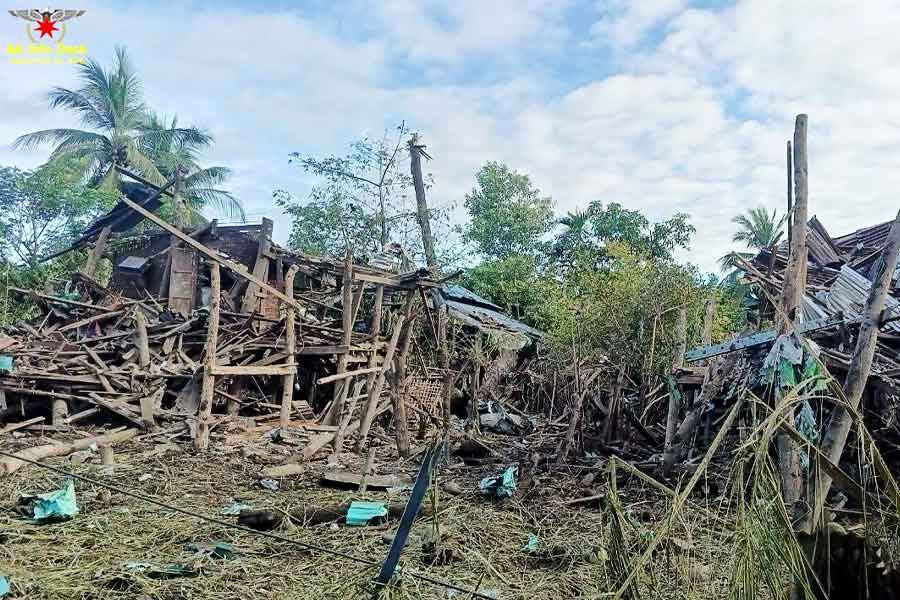
Six civilians killed, 16 injured in Arakan attacks over 11 days: AA
By Admin 28 Sep 2026
HRW reports torture, sexual violence against female political prisoners in Myanmar
By Admin 26 Sep 2026
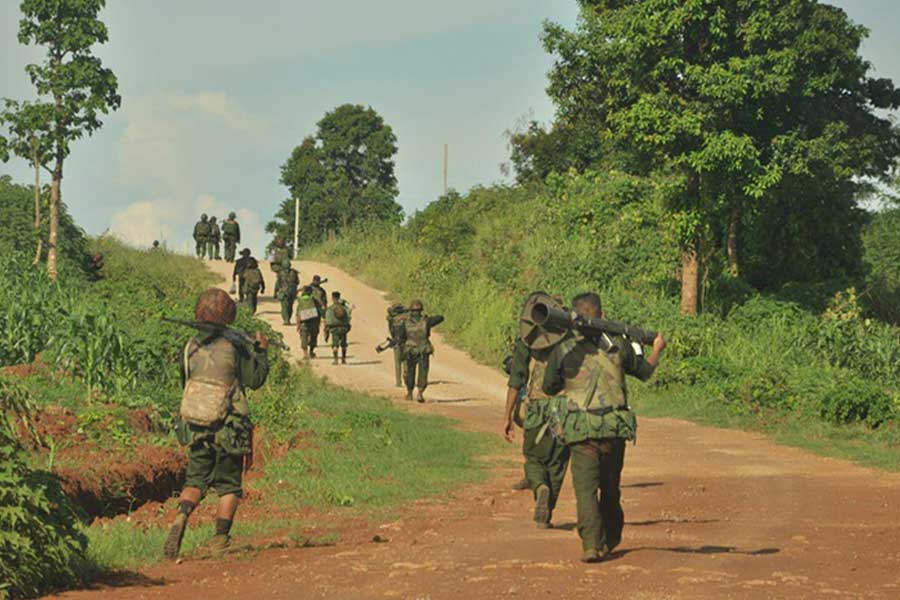
Fierce fighting continues as junta attacks AA positions in Padaung Twsp
By Admin 26 Sep 2026
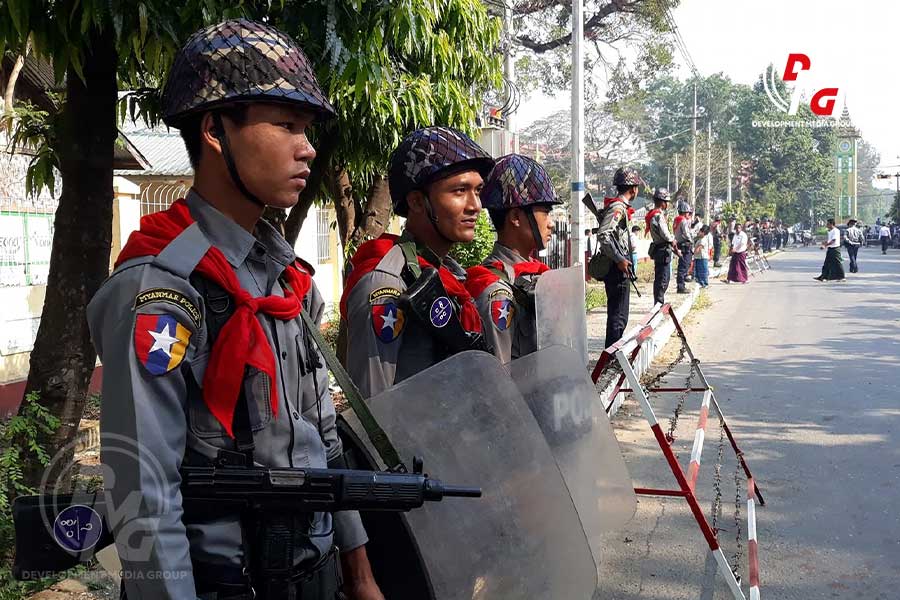
Regime deploys nearly 100 police personnel to Sittwe amid intense fighting
By Admin 26 Sep 2026