


- Magway records most airstrikes since new military chief took command: ISP-Myanmar
- Junta warship destroys two fishing boats, seizes another off Werathani
- Junta jet fighters drop 500-pound bombs on former junta battalions in Mrauk-U
- Junta deploys fighter jets to bomb Ponnagyun
- Rathedaung villagers set up night watches amid Sittwe clashes, ARSA threat
Rising costs force Arakan farmers to reduce cultivation as agricultural sector declines
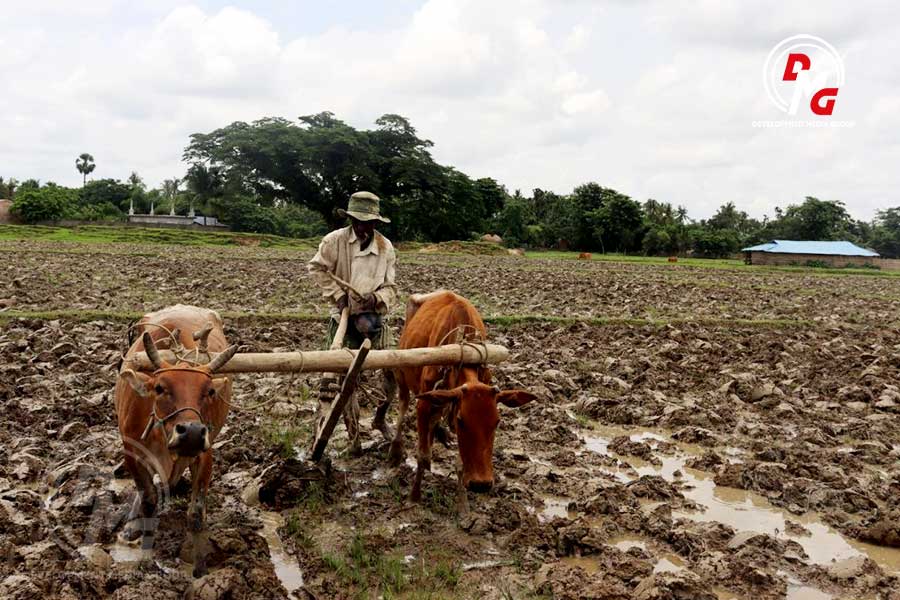
Farmers across Arakan State are reducing cultivation and abandoning farmland as soaring production costs, labour shortages and weak market demand continue to undermine the agricultural sector, local residents said on Thursday.
18 Jun 2026
DMG Newsroom
18 June 2026, Kyauktaw
Farmers across Arakan State are reducing cultivation and abandoning farmland as soaring production costs, labour shortages and weak market demand continue to undermine the agricultural sector, local residents said on Thursday.
Farmers said transport restrictions and trade disruptions have driven fertilizer prices to record highs, increased fuel and machinery costs, and weakened traditional markets for paddy.
As the monsoon planting season continues, many farming families have reduced the size of their fields or shifted to daily wage work to support their livelihoods.
"Farmers are being forced to leave their land uncultivated and grow only enough crops for household consumption," said U Nyo Maung Hla, a resident of Phayarpaung Village in Kyauktaw Township.
"There is little financial benefit in cultivating large areas under current conditions. Many farmers have had to sell livestock to repay debts, while others have stopped farming altogether and turned to other work."
Although he owns 15 acres of farmland, U Nyo Maung Hla said he was able to cultivate only a little more than two acres this season.
Farmers said rising fuel prices have pushed land preparation costs above K200,000 per acre, while returns from paddy sales remain insufficient to cover expenses.
"The more land you cultivate, the more money you lose," said U Chaw Bee Ra Mat, a farmer from Apaukwa Village in Kyauktaw Township.
"When we calculate the costs of ploughing, labour and harvesting, one acre can produce about 90 to 100 baskets of paddy. However, the income from selling that harvest does not cover the total investment, leaving farmers with losses."
Across areas administered by the Arakan Army, fertilizer prices currently range from K250,000 to K300,000 per bag. Farmers said many agricultural inputs are now sourced through alternative routes from Bangladesh and India due to supply shortages.
Residents said the United League of Arakan has distributed seeds and organic fertilizers to support farmers, but access remains limited in some remote areas.
Despite mounting losses, many farmers continue cultivation because they have few alternative sources of income.
"A farmer's life is tied to the land," said U Kyaw Zaw Hla, a resident of Apaukwa Village.
"When the rainy season arrives, we continue farming and try to survive on whatever harvest we can produce. But there is little demand for our grain and prices remain very low. The ULA/AA purchases part of the harvest, but the price offered is not enough."
According to local market estimates, 100 baskets of Paw Hsan Hmwe paddy are currently valued at just over K800,000 in Arakan State.
Farmers said they face growing financial pressure as imported goods from mainland Myanmar, India and Bangladesh continue to rise in price while local agricultural products remain undervalued.
"Arakan produces high quality rice, but farmers receive very little in return," a local cultivator said. "At the same time, we must pay high prices for imported goods. The harder we work, the deeper we fall into debt."
Agricultural advocates warned that continued reductions in cultivation could threaten food security in Arakan State and urged authorities to introduce measures to support farmers and stabilize agricultural markets.
The concerns echo findings by the World Food Programme, which warned in a report released on May 18 that rising fertilizer prices and reduced fertilizer use could lead to lower agricultural production across Myanmar and worsen food insecurity in the coming years.

Top News
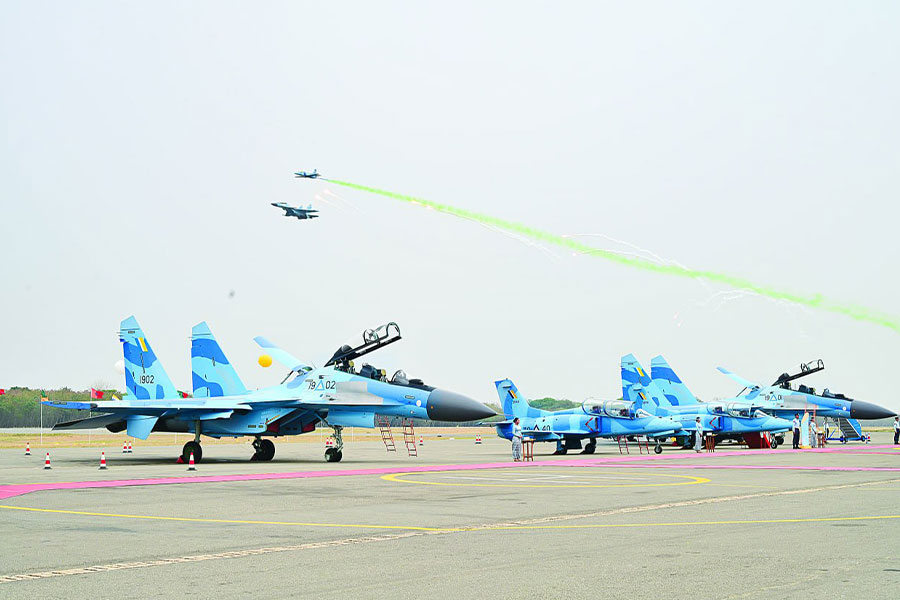
Magway records most airstrikes since new military chief took command: ISP-Myanmar
By Admin 17 Sep 2026

Junta warship destroys two fishing boats, seizes another off Werathani
By Admin 17 Sep 2026

Junta jet fighters drop 500-pound bombs on former junta battalions in Mrauk-U
By Admin 17 Sep 2026

JFM calls for Myanmar military to be barred from ARF drone workshop
By Admin 17 Sep 2026

Junta deploys fighter jets to bomb Ponnagyun
By Admin 17 Sep 2026




.jpg)