
- UN High Commissioner, UK condemn Kyauktaw airstrike killing at least 50 civilians
- ULA/AA faces governance challenges as it consolidates control in Arakan: ISP-Myanmar
- Death toll from Kyauktaw airstrike rises to 50
- Myanmar military carried out at least 222 airstrikes in Arakan over five months: ISP-Myanmar
- Junta airstrikes on four Arakan townships leave more than 100 civilian casualties
ULA/AA faces governance challenges as it consolidates control in Arakan: ISP-Myanmar
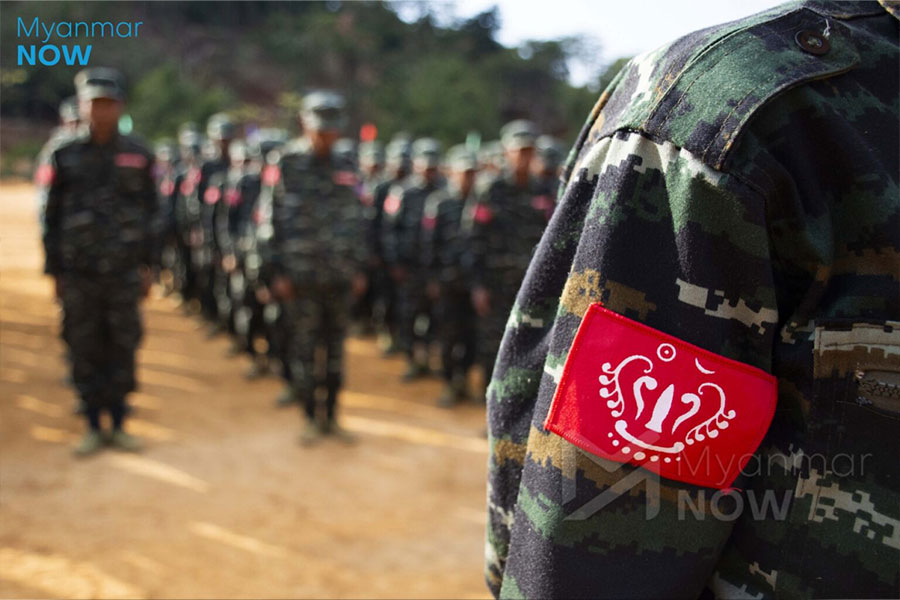
The United League of Arakan/Arakan Army (ULA/AA) has gradually transformed its military and territorial gains into an emerging governing apparatus, but faces significant challenges in meeting growing public expectations, according to a new report by the Institute for Strategy and Policy-Myanmar (ISP-Myanmar).
30 Sep 2026
DMG Newsroom
30 September 2026, Yangon
The United League of Arakan/Arakan Army (ULA/AA) has gradually transformed its military and territorial gains into an emerging governing apparatus, but faces significant challenges in meeting growing public expectations, according to a new report by the Institute for Strategy and Policy-Myanmar (ISP-Myanmar).
ISP-Myanmar published the report, Where Might Meets Duty—The United League of Arakan: Beyond Governance and Territorial Control, on September 24. The study examines the development of the ULA/AA’s state-building and governance structures from 2021 through February 2026.
The report describes the ULA/AA’s state-building as an “incremental experimental approach,” shaped by available resources, political circumstances and conditions created by the conflict. It says the organisation has expanded from rural administration into security, judicial and public-service provision and is now undergoing a period of institutional consolidation.
Following its military advances, the ULA/AA gained control of 15 townships, including Paletwa in Chin State, and established administrative mechanisms and social services across areas under its control. Its governance structure covers eight districts: Maungdaw, Sittwe, Mrauk-U, Minbya, Kyaukphyu, Toungup, Thandwe and Paletwa.
ISP characterises the emerging governance structure as a centralised single-party system in which the party remains at the centre of political, military and administrative affairs. While military and administrative functions operate separately in practice, they remain under the ULA’s overarching political direction.
The report found civil administration operational in six of the eight districts, with security and judicial mechanisms relatively stronger across most areas. Mrauk-U District was assessed as the most institutionally developed, while healthcare and education remain weak across most districts.
ISP also identified weaknesses in the judicial system, including case backlogs, limited technical expertise, inconsistent application of laws and difficulties in accessing courts. Although the ULA/AA’s judiciary gained public trust before it achieved extensive territorial control, the report says perceptions of institutional bias and nepotism have emerged as the system has expanded.
Public services also face significant resource constraints. Basic education enrolment declined from more than 530,000 students before the 2021 military coup to around 300,000 in 2025, while shortages of medicines, medical specialists and financial resources continue to constrain healthcare services, according to the report.
ISP concludes that the ULA/AA is in a “state of transition,” with a developing institutional framework but continuing weaknesses in legislation, the judiciary and public-service provision. The report says rapid territorial expansion has created a significant “performance gap” between high public expectations and the administration’s practical capacity to deliver.
The report warns that failure to address these challenges could raise questions about the ULA/AA’s political ambitions and weaken the social contract between the organisation and the public. ISP says strengthening public security, governance and service delivery will be important as the ULA/AA seeks to further develop its governing institutions.

Top News
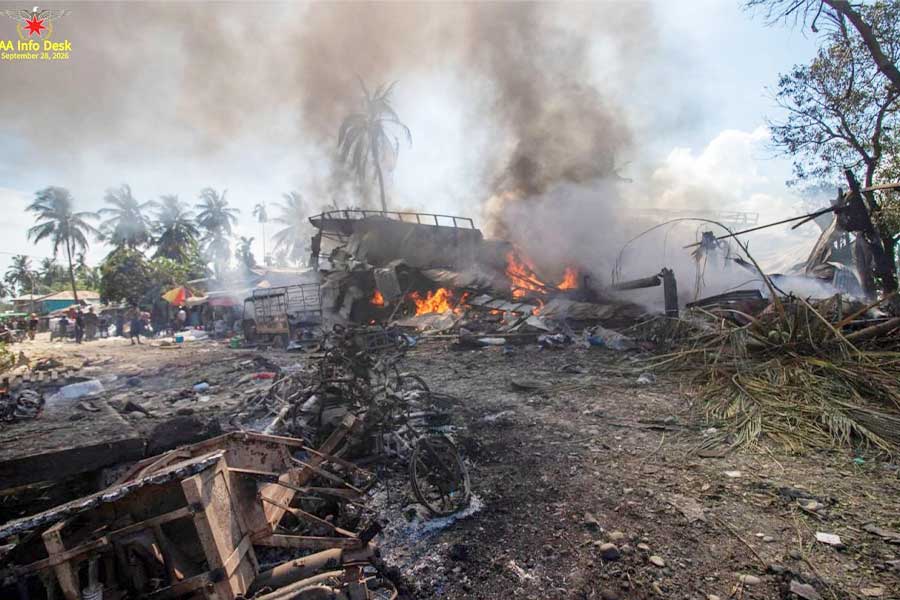
UN High Commissioner, UK condemn Kyauktaw airstrike killing at least 50 civilians
By Admin 30 Sep 2026
ULA/AA faces governance challenges as it consolidates control in Arakan: ISP-Myanmar
By Admin 30 Sep 2026
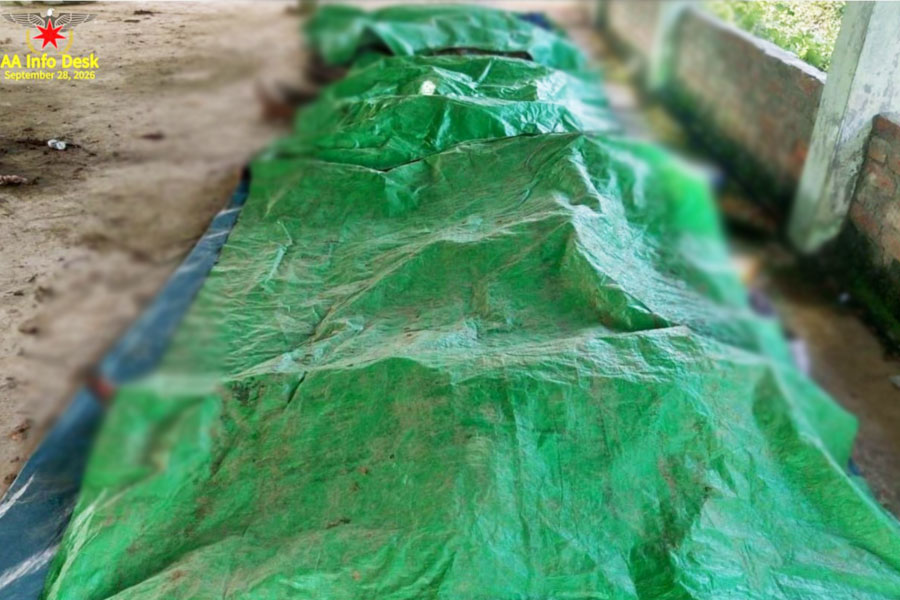
Death toll from Kyauktaw airstrike rises to 50
By Admin 29 Sep 2026
Junta airstrikes on four Arakan townships leave more than 100 civilian casualties
By Admin 29 Sep 2026