
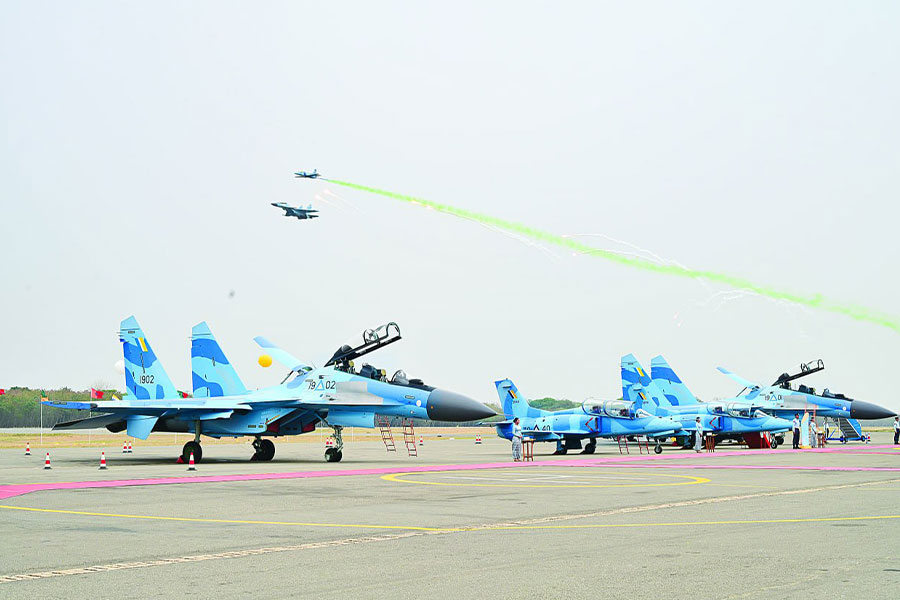
- Magway records most airstrikes since new military chief took command: ISP-Myanmar
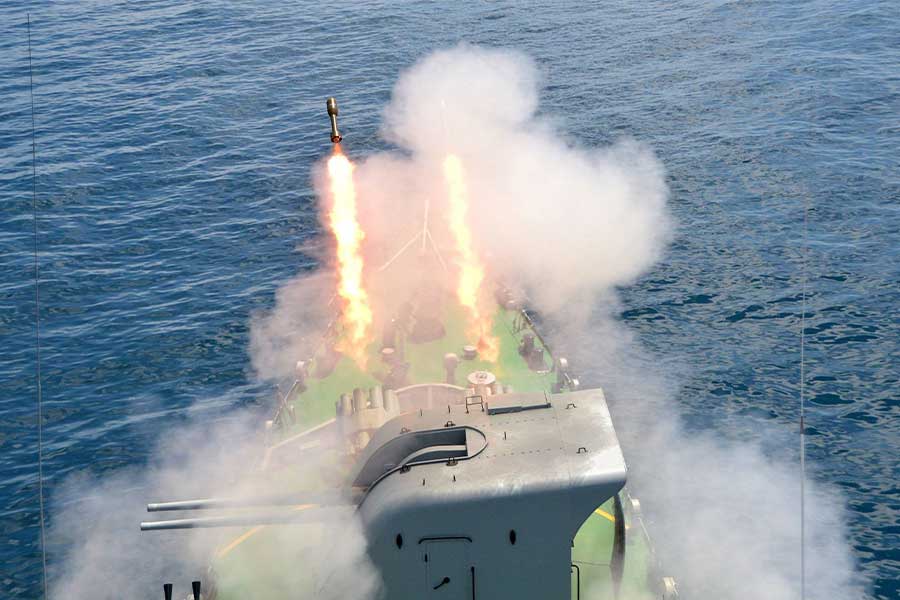
- Junta warship destroys two fishing boats, seizes another off Werathani
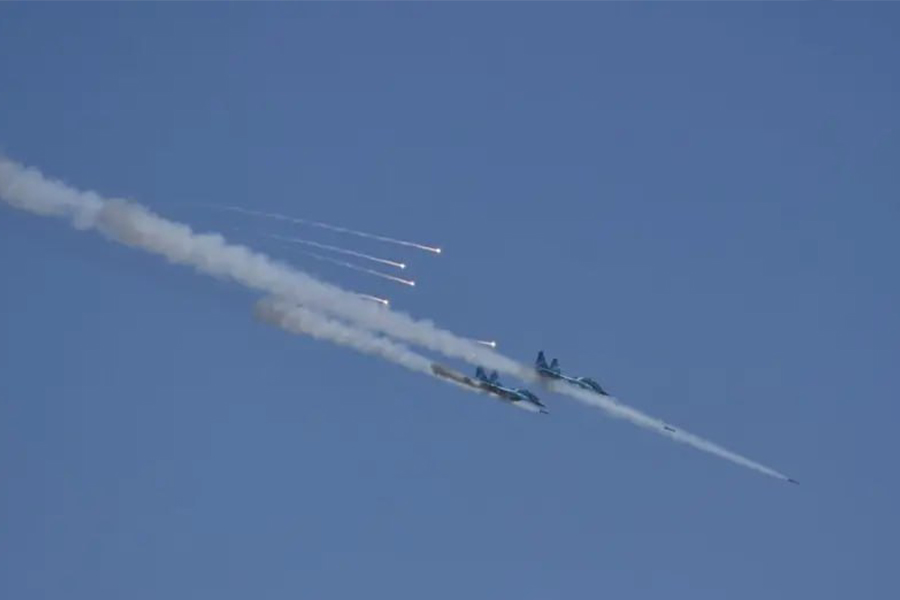
- Junta jet fighters drop 500-pound bombs on former junta battalions in Mrauk-U
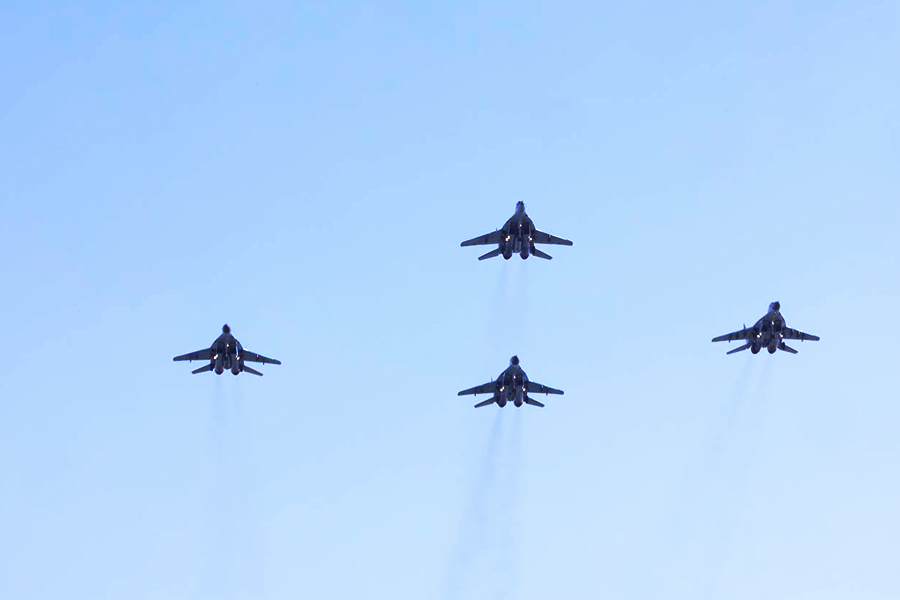
- Junta deploys fighter jets to bomb Ponnagyun
- Rathedaung villagers set up night watches amid Sittwe clashes, ARSA threat
Tatmadaw’s COVID-19 ceasefire leaves little hope for conflict-wracked Arakan
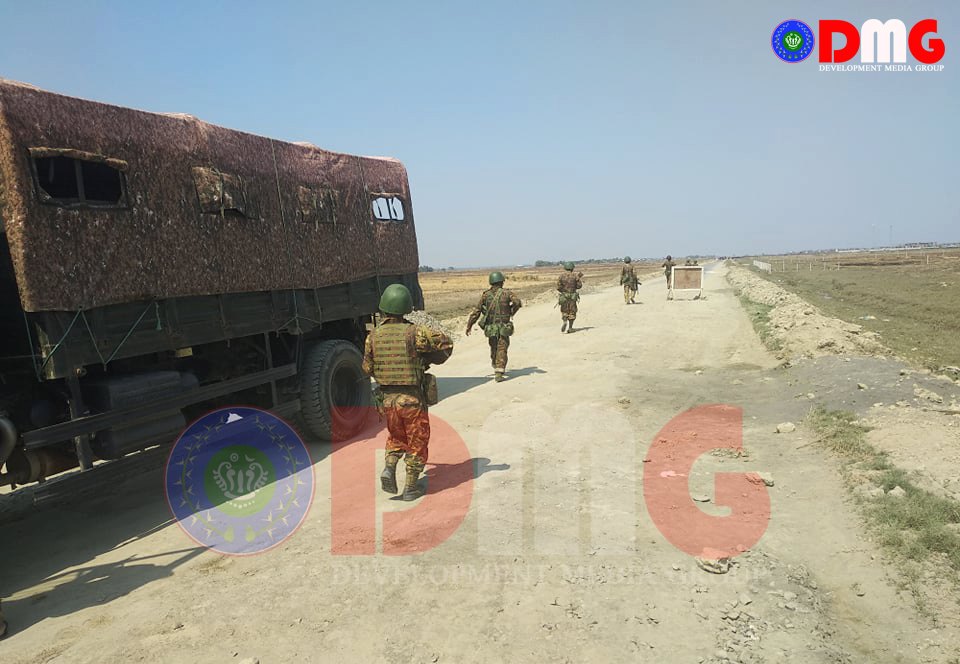
A May 9 unilateral ceasefire declaration by the Tatmadaw appears unlikely to have a meaningful impact on life for millions of people in Myanmar’s war-torn west, where the Arakan Army’s status as a “terrorist group” means much of the region falls under a notable exception to the olive branch extended by the military.
10 May 2020
Myo Thiri Kyaw | DMG
10 May, Sittwe
A May 9 unilateral ceasefire declaration by the Tatmadaw appears unlikely to have a meaningful impact on life for millions of people in Myanmar’s war-torn west, where the Arakan Army’s status as a “terrorist group” means much of the region falls under a notable exception to the olive branch extended by the military.
The Office of the Commander-in-Chief of Defence Services released a statement on Saturday saying the ceasefire would be in effect from May 10 to August 31, in accordance with a request made by the UN secretary-general that armed conflict around the world be put on hold as part of global efforts to combat the coronavirus pandemic.
The ceasefire will be honoured “except the areas where terrorist groups declared by the government take positions, with the aim of effectively and rapidly carrying out containment, prevention and treatment of COVID-19 in Myanmar and restoring eternal peace,” according to the Tatmadaw statement.
That would most likely exclude a large swath of Arakan State and southern Chin State, where the Arakan Army is active. The government declared the ethnic armed organisation a “terrorist group” on March 23, the same day the country confirmed its first two cases of coronavirus.
Rather than the conflict easing as the pandemic has spread both in Myanmar and across the globe, fighting between the Tatmadaw and the Arakan Army has escalated in recent months.
Dr. Nyo Nyo Thin, founder of Yangon Watch, said the Tatmadaw should not carve out exceptions for the ceasefire if it wants people to enjoy peace.
“There are no big clashes between the Tatmadaw and other ethnic armed groups. The armed conflict between the Tatmadaw and AA is pretty much the worst. So, the Tatmadaw should not leave the armed conflict-affected areas out of the ceasefire declaration if it wants to give peace to people,” she said.
Pyithu Hluttaw lawmaker U Pe Than, from Arakan State’s Myebon Township, also criticised the Tatmadaw’s statement.
“COVID-19 could spread to anywhere in the whole country. Now, the Tatmadaw left out northern Arakan when it declared a ceasefire. It means the government does not have genuine goodwill and genuine intention [to make peace],” U Pe Than said.
The number of people uprooted by the conflict in Arakan State has surpassed 164,000, according to a local civil society organisation that is tracking IDP totals. Many live in crowded displacement camps where risk of mass COVID-19 contagion is high, should the virus infect an inhabitant.
To date there have been no confirmed cases of coronavirus in Arakan State.

Top News
Magway records most airstrikes since new military chief took command: ISP-Myanmar
By Admin 17 Sep 2026
Junta warship destroys two fishing boats, seizes another off Werathani
By Admin 17 Sep 2026
Junta jet fighters drop 500-pound bombs on former junta battalions in Mrauk-U
By Admin 17 Sep 2026

JFM calls for Myanmar military to be barred from ARF drone workshop
By Admin 17 Sep 2026
Junta deploys fighter jets to bomb Ponnagyun
By Admin 17 Sep 2026

.jpg)