
- Arakan’s elderly face deepening crisis amid war: CAS study
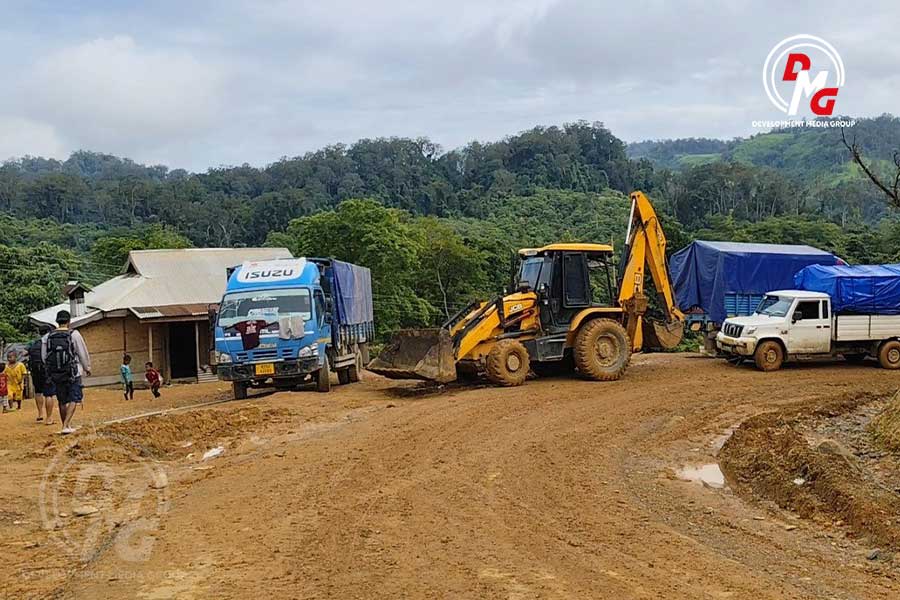
- ULA detains Arakanese merchants over Khaikhy dispute, moves to resolve issue
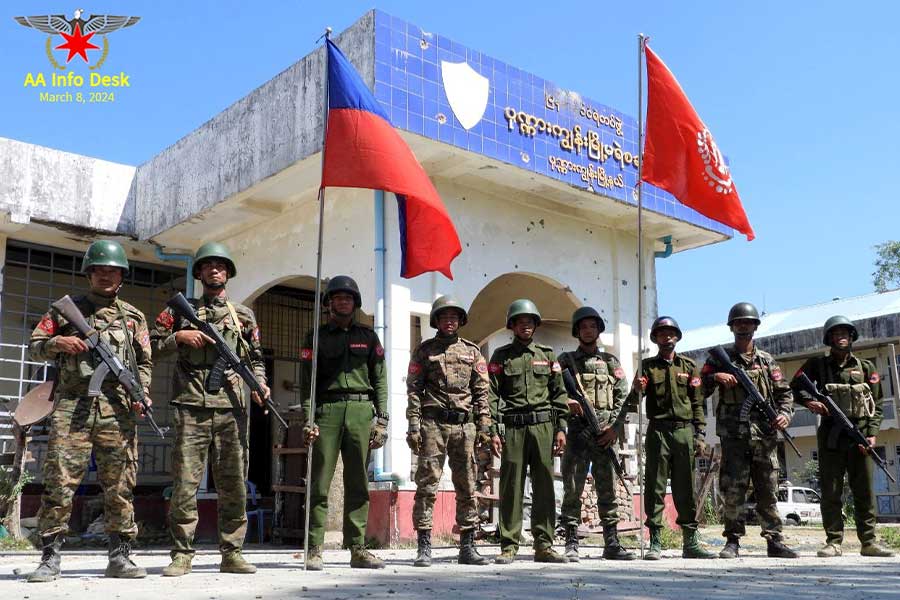
- Arakan Army captures four junta outposts on Sittwe-Ponnagyun front
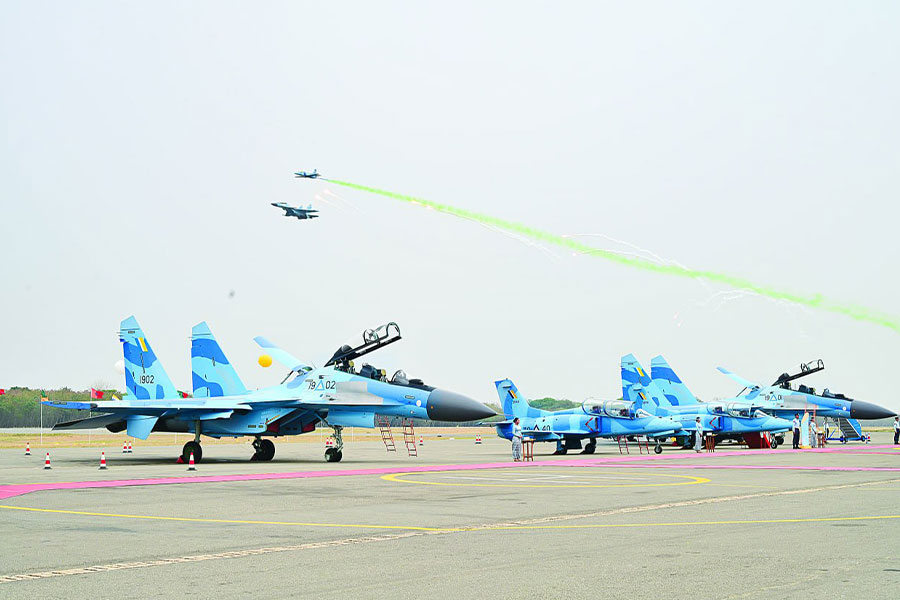
- Magway records most airstrikes since new military chief took command: ISP-Myanmar
- Junta warship destroys two fishing boats, seizes another off Werathani
Arakan’s elderly face deepening crisis amid war: CAS study
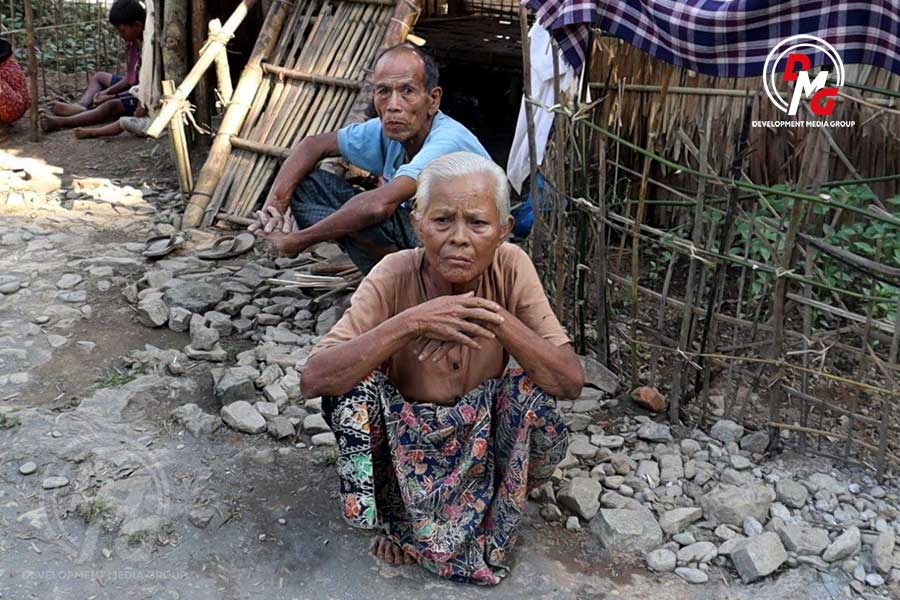
Older people across Arakan State are facing growing threats to their safety, health and livelihoods as conflict, displacement and restrictions on transportation and humanitarian assistance take an increasing toll, according to a new study by the Center for Arakan Studies (CAS).
19 Sep 2026
DMG Newsroom
19 September 2026, Mrak-U
Older people across Arakan State are facing growing threats to their safety, health and livelihoods as conflict, displacement and restrictions on transportation and humanitarian assistance take an increasing toll, according to a new study by the Center for Arakan Studies (CAS).
The report, “The Crisis Facing Older People in Arakan Amid War and a Period of Transition,” examines conditions across Arakan from May 2024 through September 2026, focusing on the security, livelihoods, physical and mental health of elderly people during the conflict.
The study identifies older people as among those particularly vulnerable to the consequences of the renewed fighting in Arakan. Restrictions on road and water transport, difficulties in delivering assistance and widespread displacement have compounded hardships for civilians, particularly vulnerable groups.
Older people face risks from airstrikes, artillery fire and other conflict-related violence, while many have been forced to flee their homes or have lost property and sources of income. Age, illness and limited mobility can make it particularly difficult for them to escape quickly when fighting or attacks occur.
The report says displacement poses additional challenges for elderly people who need regular medical care. Those with chronic illnesses have struggled to obtain medicines and treatment as the conflict has disrupted healthcare services and access to essential supplies.
Family support networks have also been weakened by conflict, displacement and migration. Some elderly people have been left without children or relatives to care for them, while others have lost financial support from family members living elsewhere because of communication and economic difficulties.
The study cites a December 2024 UN humanitarian response plan stating that older people accounted for 12 percent of those requiring emergency humanitarian assistance in Myanmar. Although the figure was not specific to Arakan, the report says conditions for elderly people in the state have become particularly difficult amid the continuing conflict.
Extreme weather is adding another layer of hardship. The study says older people are particularly vulnerable to storms, heavy rain and flooding during the monsoon, summer heat and water shortages, and cold winter conditions. The risks are greater for displaced elderly people living without adequate shelter, warm clothing and blankets.
The report also points to declining community support for elderly care facilities. Homes for older people in several Arakan townships had previously depended heavily on regular donations from local communities, but contributions have declined as conflict, displacement and economic hardship have affected donors themselves.
The study says the difficulties confronting Arakan’s elderly are therefore linked not only to direct conflict-related dangers but also to the loss of livelihoods, weakened family support networks, limited healthcare and declining social protection.
Older people without savings have traditionally relied on their children and relatives or on public assistance. But with families scattered by war and existing support mechanisms severely weakened, some elderly people now have few alternatives.
CAS says the combination of conflict, displacement, healthcare shortages, economic hardship and weakened family support has left many elderly people facing severe difficulties during the later years of their lives.
The study calls for urgent assistance from relevant authorities and humanitarian organisations to address the particular needs of elderly people across Arakan, including their healthcare, basic needs and protection.

Top News
Arakan’s elderly face deepening crisis amid war: CAS study
By Admin 19 Sep 2026
ULA detains Arakanese merchants over Khaikhy dispute, moves to resolve issue
By Admin 18 Sep 2026
Arakan Army captures four junta outposts on Sittwe-Ponnagyun front
By Admin 18 Sep 2026
Magway records most airstrikes since new military chief took command: ISP-Myanmar
By Admin 17 Sep 2026

Junta warship destroys two fishing boats, seizes another off Werathani
By Admin 17 Sep 2026

.jpg)