

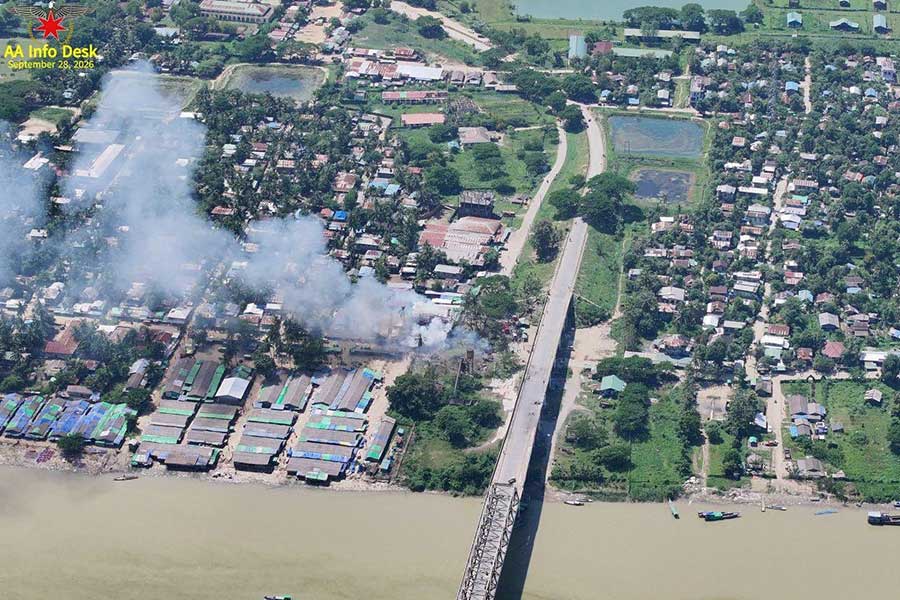
- Kyauktaw market closure disrupts trade and drives up prices across Arakan
- Arakan has Myanmar’s highest multidimensional poverty, 1.66 million affected: UNDP
- Arakan records most armed incidents, second-highest civilian casualty toll in Myanmar: NLTA
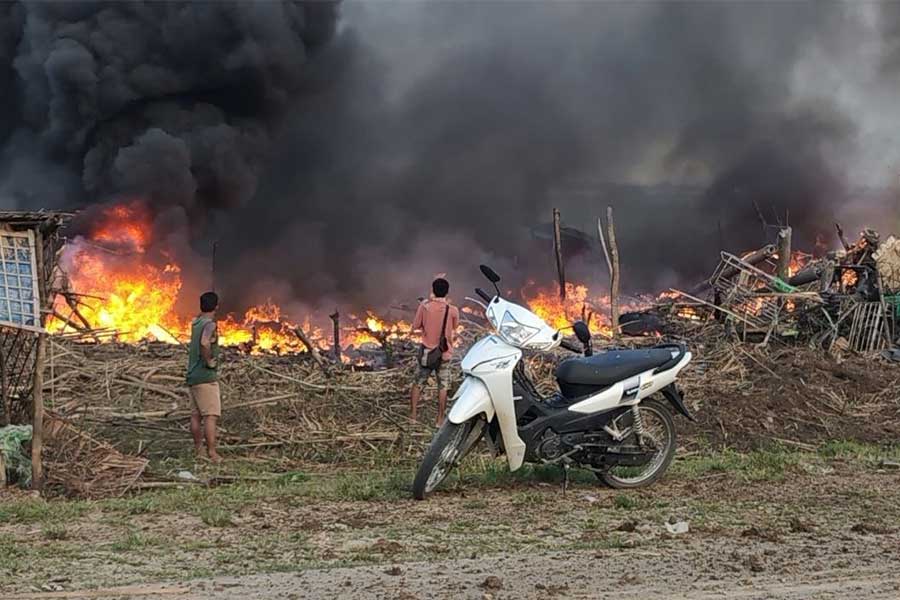
- Junta fails to regain territory despite major Arakan offensive: ISP-Myanmar
- Two Myebon fishermen missing after junta troops throw fishermen into sea
Arakan has Myanmar’s highest multidimensional poverty, 1.66 million affected: UNDP
Arakan State has the highest level of multidimensional poverty in Myanmar, with more than two-thirds of its population facing overlapping hardships involving healthcare, education and basic living conditions, according to a new United Nations Development Programme (UNDP) report.
10 Oct 2026
DMG Newsroom
10 October 2026, Yangon
Arakan State has the highest level of multidimensional poverty in Myanmar, with more than two-thirds of its population facing overlapping hardships involving healthcare, education and basic living conditions, according to a new United Nations Development Programme (UNDP) report.
The report, Layers of Deprivation: Multidimensional Poverty in Myanmar, released on October 8, estimates that 68.4 percent of Arakan’s population, approximately 1.66 million people, live in multidimensional poverty.
Arakan recorded the country's highest Multidimensional Poverty Index (MPI) score of 0.342, reflecting both the widespread incidence of poverty and the severity of deprivation among affected households.
The report found that people experiencing multidimensional poverty in Arakan face deprivation across roughly half of the weighted indicators measuring education, health and living standards.
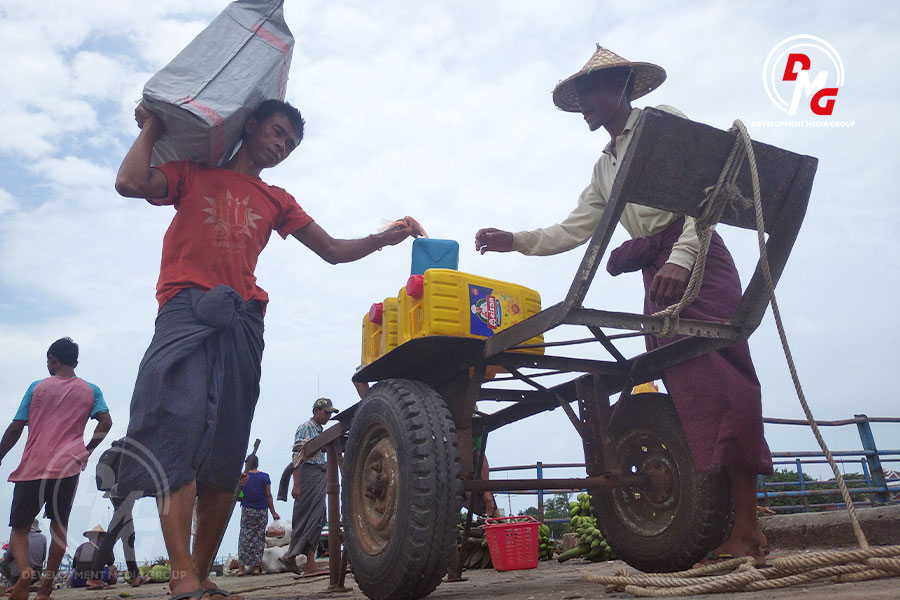
Prolonged conflict, restrictions on movement, disrupted markets and limited access to healthcare and education have contributed to the state's exceptionally severe poverty, UNDP said.
Documentation barriers, restrictions on freedom of movement and limited access to essential services among stateless and displaced populations have further deepened deprivation.
According to UNDP, 89.1 percent of Arakan's population is either multidimensionally poor or vulnerable to falling into multidimensional poverty.
Kayah State also recorded exceptionally severe poverty, with 68.1 percent of its population experiencing multidimensional deprivation.
Nationwide, approximately 17.9 million people, or 32.6 percent of Myanmar's population, are multidimensionally poor, while another 19.5 million are vulnerable to poverty.
Together, approximately 37.5 million people, or 68.1 percent of the population, are either poor or at risk of falling into multidimensional poverty.
Although Arakan recorded the highest poverty severity, Ayeyarwady Region had the largest number of multidimensionally poor people, estimated at 2.65 million, followed by Sagaing Region with 2.38 million.
UNDP warned that its estimates for Arakan likely understate the actual scale of deprivation because stateless and displaced populations, including Rohingya communities, were inadequately represented in the telephone-based survey.
The findings are based on UNDP's 2025 People's Pulse Survey, which collected information from 7,463 households across Myanmar.
Unlike conventional income-based assessments, the MPI measures overlapping disadvantages involving healthcare, education, housing, drinking water, sanitation and other essential living conditions.
UNDP recommended restoring essential services, rebuilding local markets and improving safe mobility in severely affected areas such as Arakan and Kayah.
It also stressed that humanitarian and recovery programmes must address the specific needs of displaced and stateless populations who risk being excluded from assistance.
The report highlights the scale of Arakan's humanitarian and development challenges, where conflict-related disruption and restricted access to basic services continue to deepen poverty and undermine household resilience.

Top News
Kyauktaw market closure disrupts trade and drives up prices across Arakan
By Admin 10 Oct 2026
Arakan has Myanmar’s highest multidimensional poverty, 1.66 million affected: UNDP
By Admin 10 Oct 2026
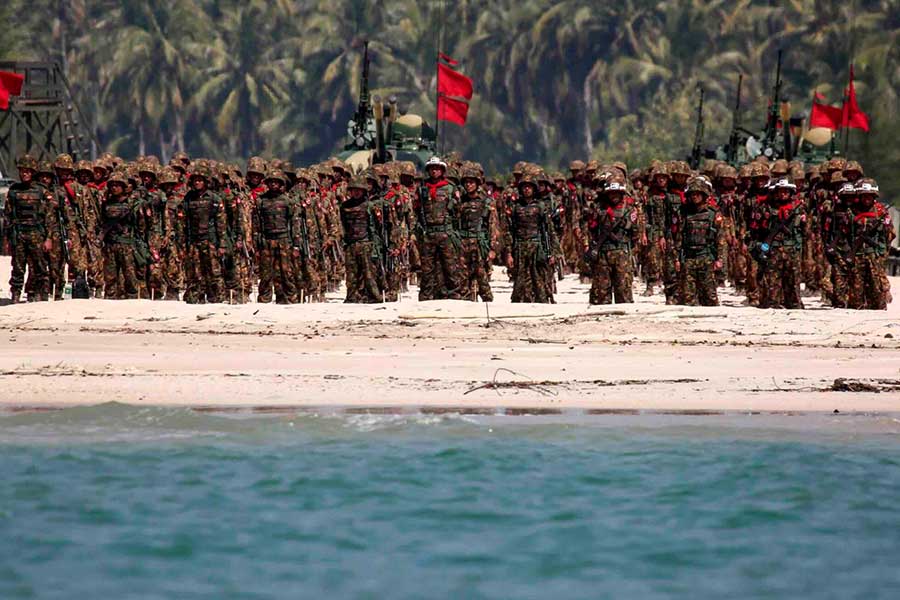
Junta fails to regain territory despite major Arakan offensive: ISP-Myanmar
By Admin 10 Oct 2026
Clashes intensify near Taung Maw Oo naval station as Arakan Army launches offensive
By Admin 09 Oct 2026