
- Junta intensifies offensive against resistance-held territory in strategic Sagaing town
- Fighting escalates in Sittwe as Arakan Army captures junta outposts
- Survivors of deadly Kyauktaw airstrike urgently need medical, humanitarian aid
- Junta seeks foothold on strategic island in Kaladan River as Arakan Army counterattacks
- Begging nearly doubles amid livelihood crisis in southern Arakan
Fighting, airstrikes deepen humanitarian crisis in Myanmar’s Arakan: CAS report
Intensified fighting between Myanmar’s military regime and the Arakan Army (AA) in September caused mounting civilian casualties, widespread displacement and worsening economic and humanitarian conditions across Arakan (Rakhine) State, according to a report released by the Center for Arakan Studies (CAS).
12 Oct 2026
DMG Newsroom
12 October 2026, Mrauk-U
Intensified fighting between Myanmar’s military regime and the Arakan Army (AA) in September caused mounting civilian casualties, widespread displacement and worsening economic and humanitarian conditions across Arakan (Rakhine) State, according to a report released by the Center for Arakan Studies (CAS).
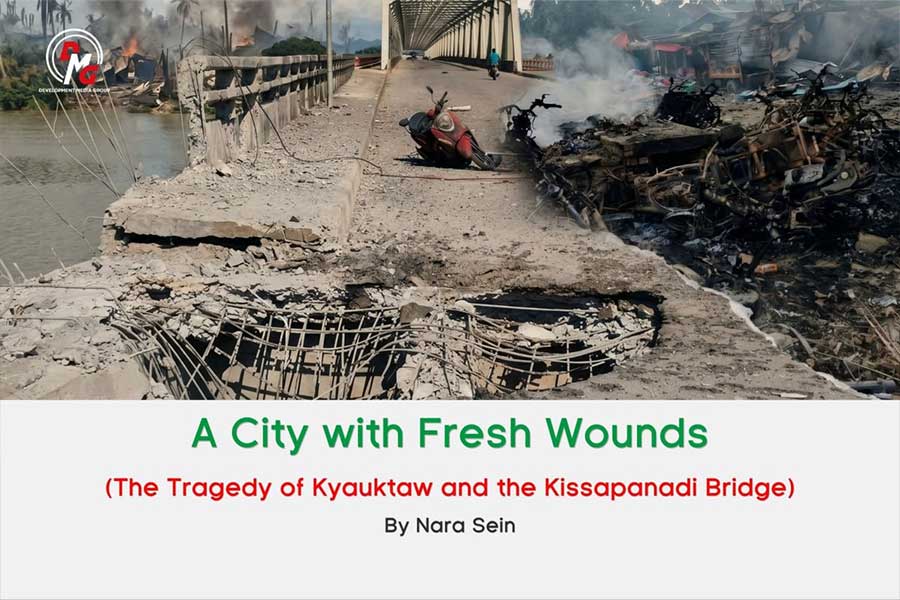
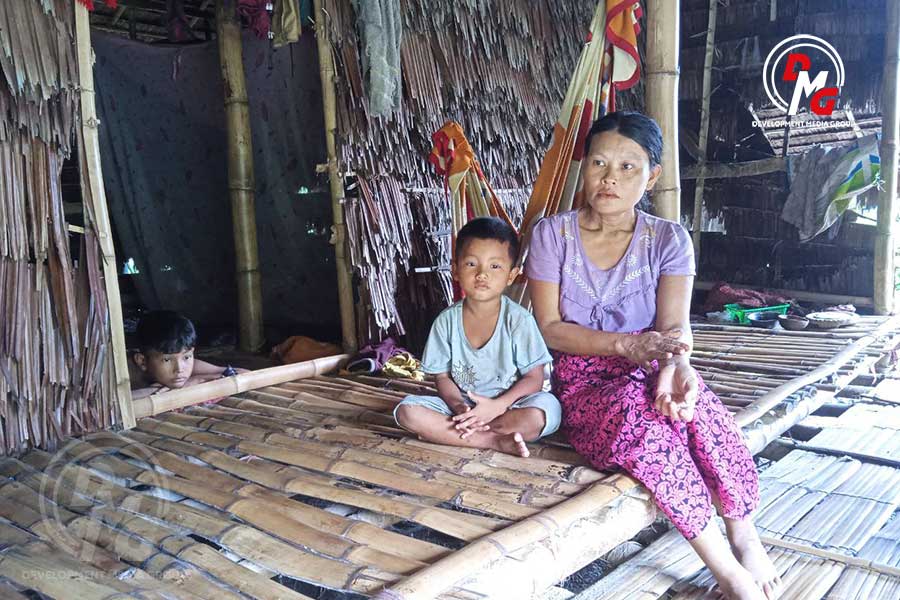
The October 11 report, titled Monthly Arakan Review, highlighted the September 28 military airstrike on Kyauktaw’s Indian Market, which reportedly killed at least 50 civilians and injured 58 others.
The attack drew international condemnation, including from the United Nations, the United Kingdom and the European Union. The Independent Investigative Mechanism for Myanmar also appealed for information about the strike as part of its investigations into alleged international crimes.
According to CAS, the military intensified operations across Sittwe, Ponnagyun, Kyaukphyu and other areas under its so-called “Operation 4926,” deploying fighter jets, artillery, drones, naval forces and ground troops.
The AA launched counteroffensives and reportedly captured four military outposts along the Sittwe–Ponnagyun front by September 18. Fighting continued along the Arakan–Magway and Arakan–Bago borders, while the military launched another offensive near Kyindwe on September 30.
Thousands of civilians fled their homes, particularly around Ponnagyun and Rathedaung, as airstrikes, artillery shelling and naval attacks continued.
Internally displaced people in Ponnagyun, Mrauk-U and Kyaukphyu faced severe shortages of food and essential supplies, while rising prices left some residents in military-controlled Sittwe struggling to obtain enough food.
Economic pressures also intensified as restrictions imposed by authorities in India’s Mizoram State affected Arakanese traders. A key India–Arakan trade route temporarily closed before reopening on September 25.
Paddy cultivation reportedly declined to approximately 500,000 acres amid rising fertilizer prices, while Bangladeshi authorities seized fertilizer shipments destined for Arakan. In Sittwe, dried chili prices reportedly reached 100,000 kyats per viss, a traditional Myanmar unit of weight.
Healthcare and education services also faced disruption, with medicine shortages, insufficient healthcare workers, disease outbreaks and transportation difficulties affecting vulnerable communities.
Monsoon-related boat accidents had caused at least 30 deaths across several townships by September 4, with further fatalities reported later in the month.
Meanwhile, the United League of Arakan (ULA), the AA’s political wing, continued developing administrative institutions and providing some healthcare and education services in areas under its control.
The report highlighted worsening civilian protection concerns, growing humanitarian needs and increasing calls for accountability.
CAS, an independent research organization established in 2021, compiles its monthly assessments using information from local media outlets, including DMG and Western News, among other sources.

Top News
Fighting escalates in Sittwe as Arakan Army captures junta outposts
By Admin 13 Oct 2026
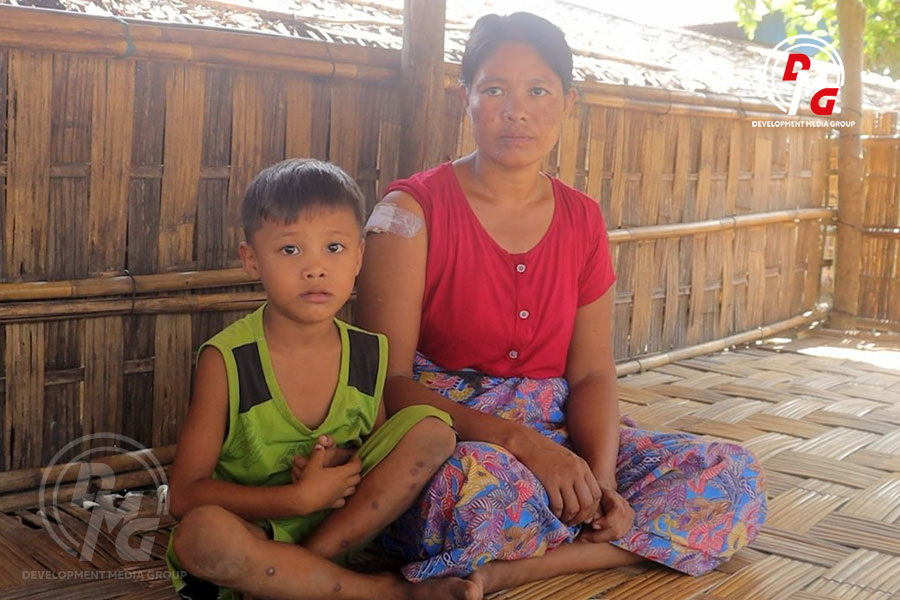
Survivors of deadly Kyauktaw airstrike urgently need medical, humanitarian aid
By Admin 13 Oct 2026
Fighting, airstrikes deepen humanitarian crisis in Myanmar’s Arakan: CAS report
By Admin 12 Oct 2026