


- Malaria cases surge across Ann Twsp as residents struggle to access healthcare
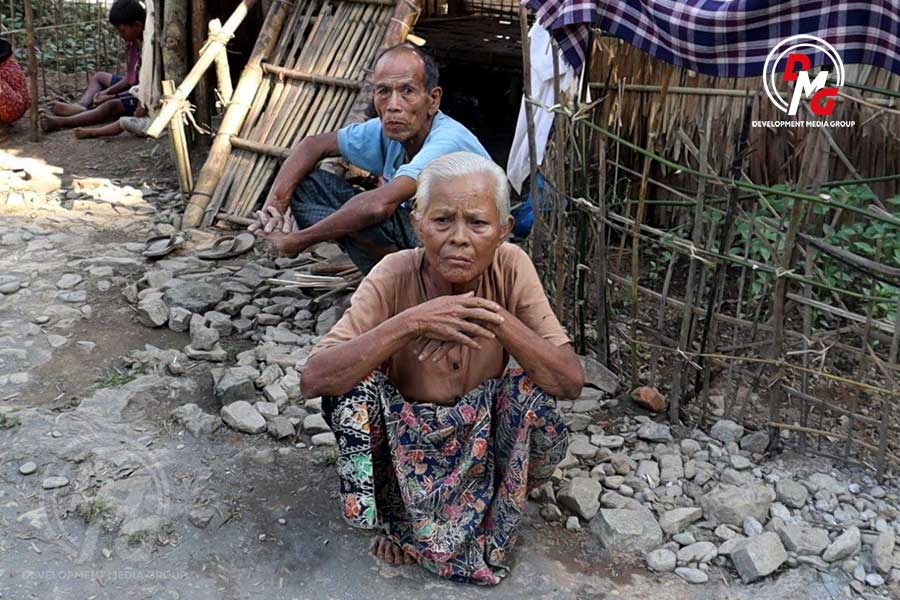
- Arakan’s elderly face deepening crisis amid war: CAS study
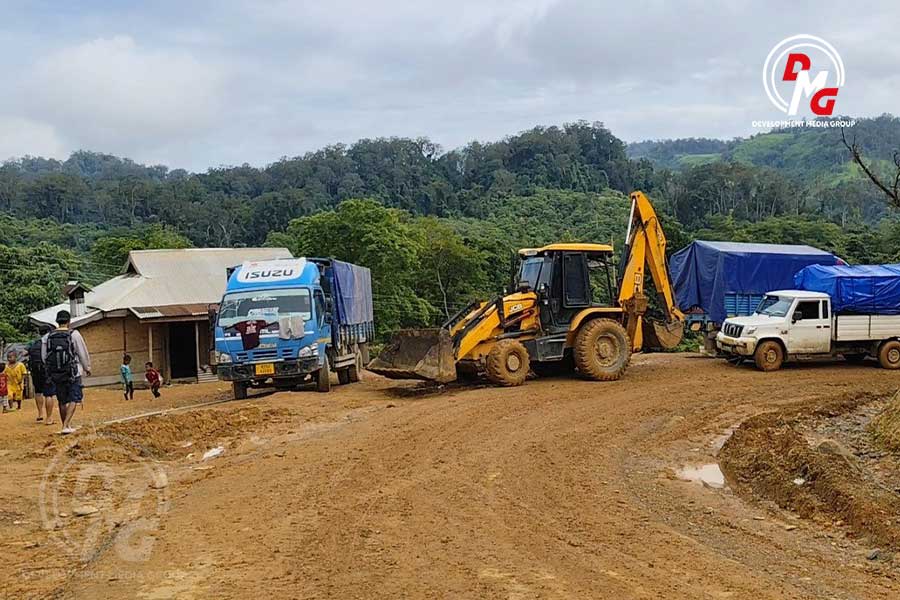
- ULA detains Arakanese merchants over Khaikhy dispute, moves to resolve issue
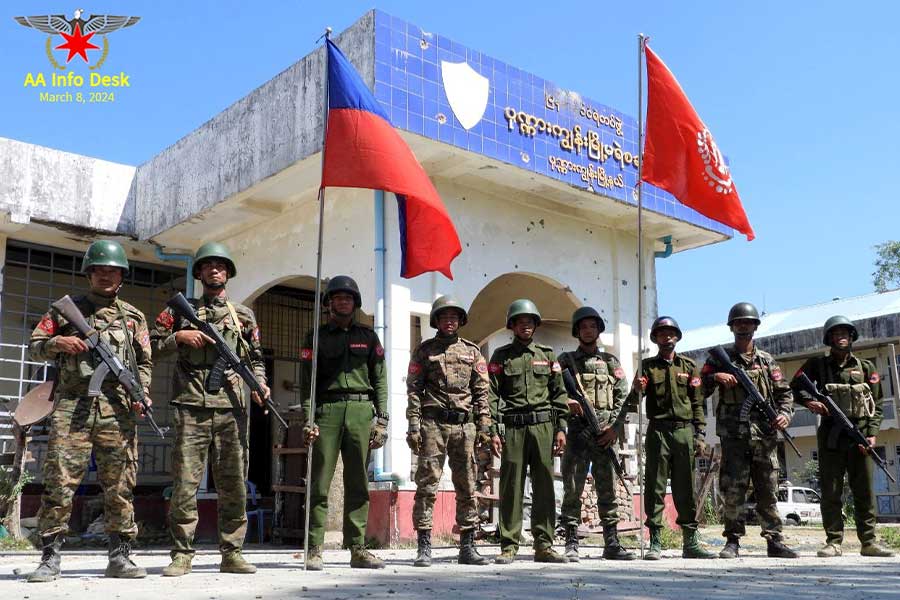
- Arakan Army captures four junta outposts on Sittwe-Ponnagyun front
- Magway records most airstrikes since new military chief took command: ISP-Myanmar
Malaria cases surge across Ann Twsp as residents struggle to access healthcare
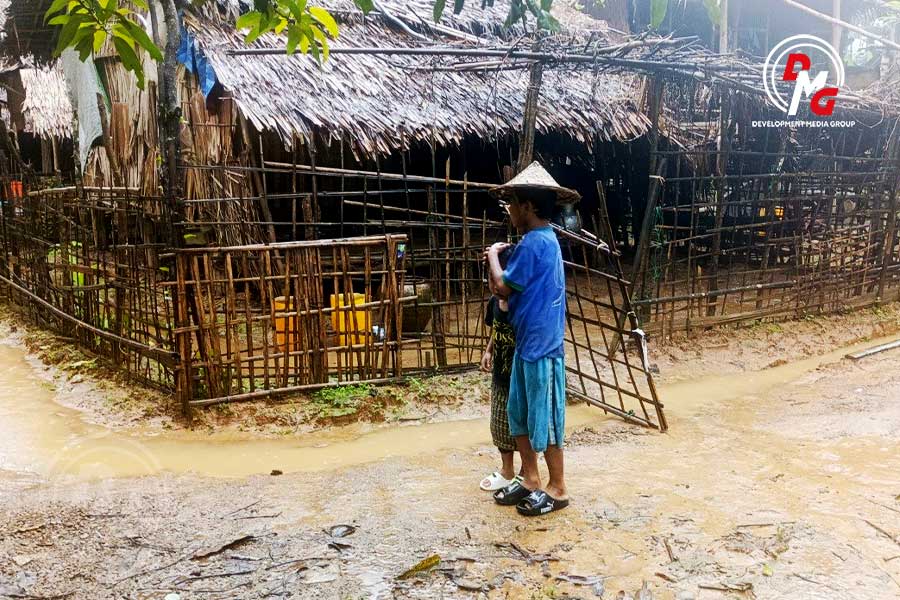
Malaria cases are surging across numerous villages in Ann Township, Arakan State, leaving local residents in urgent need of medical assistance and pharmaceutical supplies, according to community sources.
19 Sep 2026
DMG Newsroom
19 September 2026, Ann
Malaria cases are surging across numerous villages in Ann Township, Arakan State, leaving local residents in urgent need of medical assistance and pharmaceutical supplies, according to community sources.
Most residents in Ann depend on hillside farming for their livelihoods in remote, forested mountainous areas. Currently, widespread malaria infections are compounding existing hardships, as communities face geographical isolation from hospitals and clinics alongside soaring medicine costs.
"Malaria infection rates are extremely high, affecting nearly 90 percent of people," said U Aung Soe, a youth leader from Htanchaung Village in Ann Township. "When children fall ill and get tested, it is almost always malaria. Very few people go to hospitals or clinics for treatment. Most simply get blood tests and take medicine at home."
Htanchaung Village comprises over 100 households, and DMG investigations revealed that nearly every family has members suffering from malaria, with entire households in some homes struck down by severe symptoms.
Severe malaria outbreaks are also affecting residents in at least 40 other villages, including Thelkanhtaung, Meltaungchay, Shwechaung, Gantgawyeik, Salantar, Pyinchaungwa, and Hngetkyaw. Unable to afford costly medical treatment, most locals rely entirely on home care.
Although village administrators trained in first aid by the United League of Arakan (ULA) Health Department have received limited supplies of rapid malaria test kits and basic medications, residents emphasize that more effective healthcare services remain urgently needed.
"We frequently see people falling sick with malaria," said U Nyi Nyi Than, deputy village administrator of Thelkanhtaung Village. "We really need a health worker assigned to our village. If we had medical staff based here, residents could at least receive treatment on credit even if they lack immediate cash."
Health workers note that malaria transmission peaks during the early and late monsoon seasons. Transmitted through mosquito bites, symptoms typically manifest within 10 days to four weeks after infection.
However, many residents in Ann Township cannot afford basic preventative items such as mosquito nets and blankets to protect their families.
"We do not even have blankets and just sleep as we are," said U Su from Meltaungchay Village. "There is only one blanket and mosquito net shared among three people. We have to divide them up. If we try to use a net instead of a blanket, we do not have enough nets either. We want to buy nets and blankets, but with all our money going toward food, we simply cannot afford them."
Situated at the foot of the Arakan Mountains, Ann Township contains over 240 villages with a population exceeding 120,000 people, comprising roughly 70 percent Arakanese and 30 percent ethnic Chin communities.
Most villages face severe transportation barriers and historically poor healthcare infrastructure. According to the 2014 national census, Ann Township recorded the highest under-five child mortality rate in Arakan State.
Since the outbreak of township-capturing battles across Arakan State, military junta blockades on food and medicine transports have pushed residents in Ann into unprecedentedly severe health and humanitarian crises.

Top News
Malaria cases surge across Ann Twsp as residents struggle to access healthcare
By Admin 19 Sep 2026
Arakan’s elderly face deepening crisis amid war: CAS study
By Admin 19 Sep 2026
ULA detains Arakanese merchants over Khaikhy dispute, moves to resolve issue
By Admin 18 Sep 2026
Arakan Army captures four junta outposts on Sittwe-Ponnagyun front
By Admin 18 Sep 2026
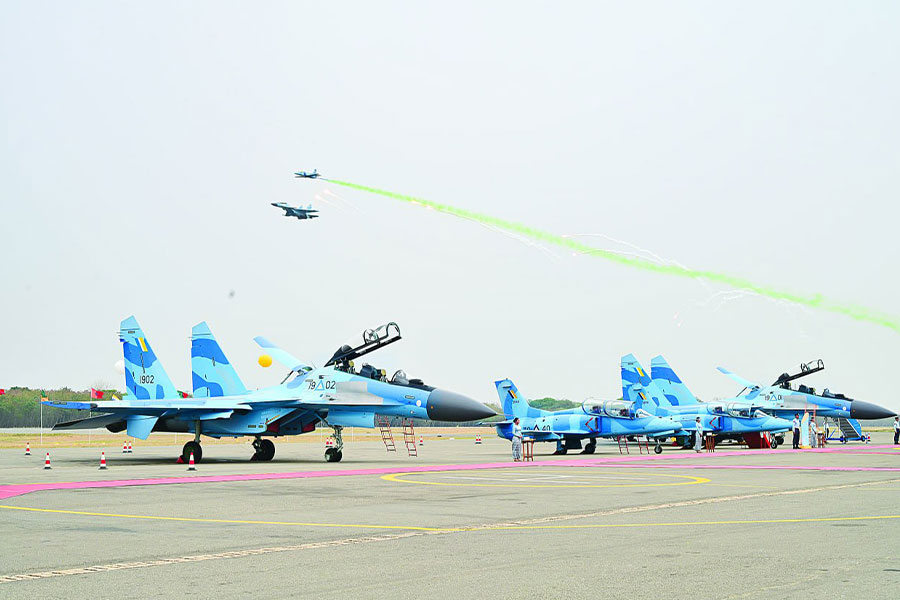
Magway records most airstrikes since new military chief took command: ISP-Myanmar
By Admin 17 Sep 2026


.jpg)