

- Commodity prices rise in Ramree after Kyauktaw market bombing
- Junta intensifies offensive against resistance-held territory in strategic Sagaing town
- Fighting escalates in Sittwe as Arakan Army captures junta outposts
- Survivors of deadly Kyauktaw airstrike urgently need medical, humanitarian aid
- Junta seeks foothold on strategic island in Kaladan River as Arakan Army counterattacks
Commodity prices rise in Ramree after Kyauktaw market bombing
Prices of basic food items in Ramree Township are steadily rising following the junta’s aerial bombardment of Indian Market in Kyauktaw Township, Arakan State, according to local residents.
14 Oct 2026
DMG Newsroom
14 October 2026, Ramree
Prices of basic food items in Ramree Township are steadily rising following the junta’s aerial bombardment of Indian Market in Kyauktaw Township, Arakan State, according to local residents.
Locals attributed the price hikes to disruptions to normal trade and delays in transporting goods from Kyauktaw to Ramree following the deadly airstrike.
“Items previously priced at K1,000 have now risen to K1,500,” said a trader operating between Ramree and Kyauktaw. “This mainly affects basic food items, with prices for certain commodities doubling compared with previous rates.”
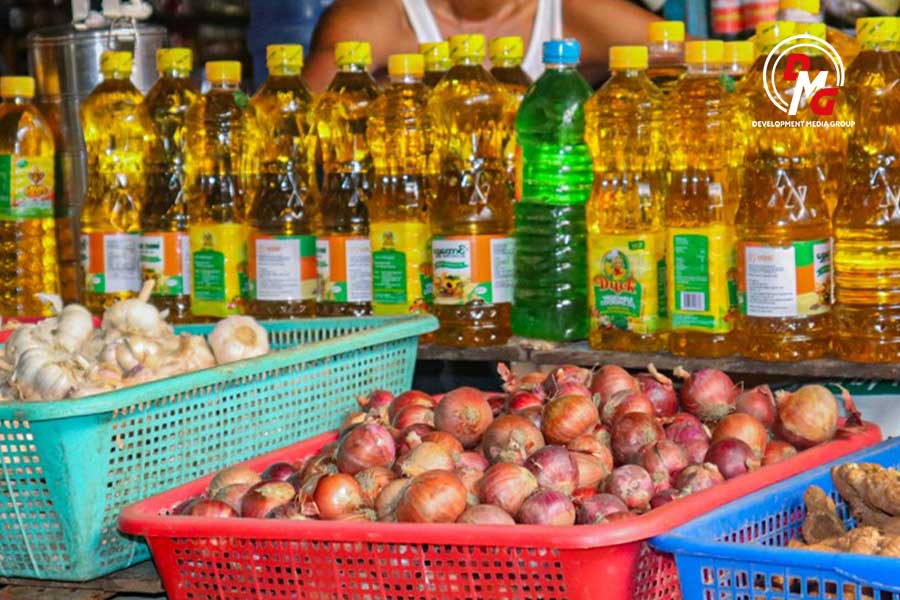
Before the airstrike, onions in Ramree cost K11,000 per viss, imported Indian cooking oil K8,000 per liter, dried chili K30,000 per viss, and imported Indian eggs K600 each.
Prices have since risen to K16,000 per viss for onions, K11,000 per liter for Indian cooking oil, K60,000 per viss for dried chili, and K1,000 per egg for Indian eggs.
Townships across Arakan State, including Ramree, Kyaukphyu, Taungup, Thandwe and Gwa, rely heavily on Kyauktaw as a central distribution hub for essential foodstuffs and consumer goods.
With large numbers of displaced civilians taking refuge in Ramree and Kyaukphyu townships, the latest price increases have compounded their hardships.
“The steep price surge is creating severe difficulties for displaced families,” said Ma Sandar Win, an internally displaced person from Kyaukphyu Township. “People were already struggling to make ends meet, and these soaring commodity prices will only deepen their suffering.”
Following the bombing of Indian Market in Kyauktaw, local commercial activity slowed dramatically, and supply chains remain severely disrupted.
Although Indian Market in Kyauktaw has been temporarily closed for more than two weeks, its reopening date remains uncertain as traders reduce their operations for fear of further junta airstrikes.
“Both traders and shop owners are deeply traumatized and fearful,” a local businessman in Kyauktaw said. “Restoring regular market operations and normalizing commerce will take considerable time. Managing commodity prices and restoring supply lines can only be resolved effectively if responsible authorities step in to coordinate.”
Indian Market in Kyauktaw serves as a vital trade hub, receiving goods imported from India and distributing them to townships throughout Arakan State.
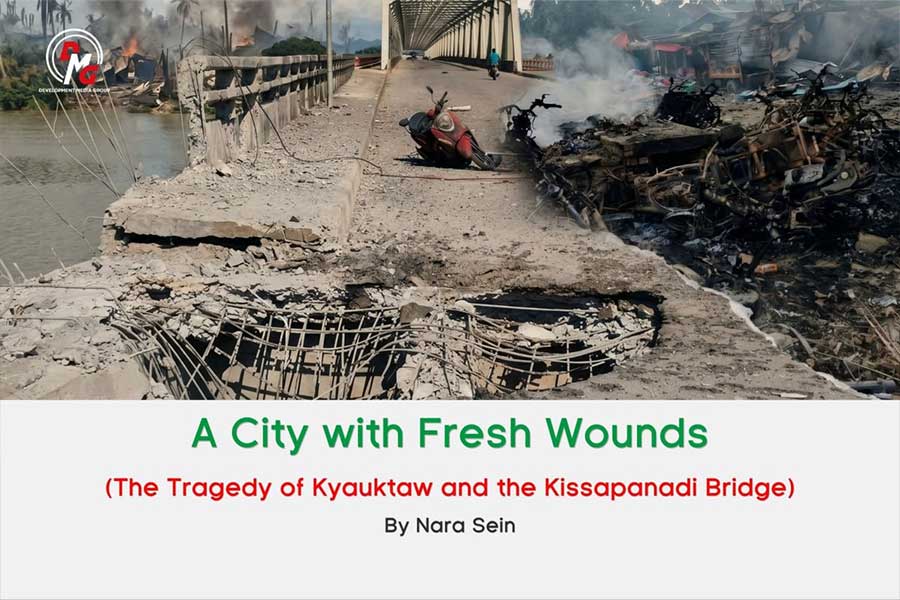
The September 28 aerial bombardment of the market killed 50 civilians and wounded 57 others, while destroying numerous market stalls, motor vehicles and motorcycles.
Beyond the immediate loss of life and physical destruction, the attack continues to severely affect regional commerce and food security across Arakan State.

Top News
Commodity prices rise in Ramree after Kyauktaw market bombing
By Admin 14 Oct 2026
Fighting escalates in Sittwe as Arakan Army captures junta outposts
By Admin 13 Oct 2026

Survivors of deadly Kyauktaw airstrike urgently need medical, humanitarian aid
By Admin 13 Oct 2026

Fighting, airstrikes deepen humanitarian crisis in Myanmar’s Arakan: CAS report
By Admin 12 Oct 2026