

- Magway records most airstrikes since new military chief took command: ISP-Myanmar
- Junta warship destroys two fishing boats, seizes another off Werathani
- Junta jet fighters drop 500-pound bombs on former junta battalions in Mrauk-U
- Junta deploys fighter jets to bomb Ponnagyun
- Rathedaung villagers set up night watches amid Sittwe clashes, ARSA threat
Garbage crisis worsens in three AA-held towns amid waste collection failures
Poor public waste disposal practices and failures in garbage collection services under the United League of Arakan (ULA) administration have caused a growing garbage crisis in several major towns in Arakan State, residents reported Tuesday.
23 Jun 2026
DMG Newsroom
23 June 2026, Mrauk-U
Poor public waste disposal practices and failures in garbage collection services under the United League of Arakan (ULA) administration have caused a growing garbage crisis in several major towns in Arakan State, residents reported Tuesday.
Residents in Mrauk-U, Kyauktaw, and Minbya said the lack of a consistent municipal sanitation system has led to widespread waste accumulation, raising concerns over potential drainage blockages during the monsoon season.
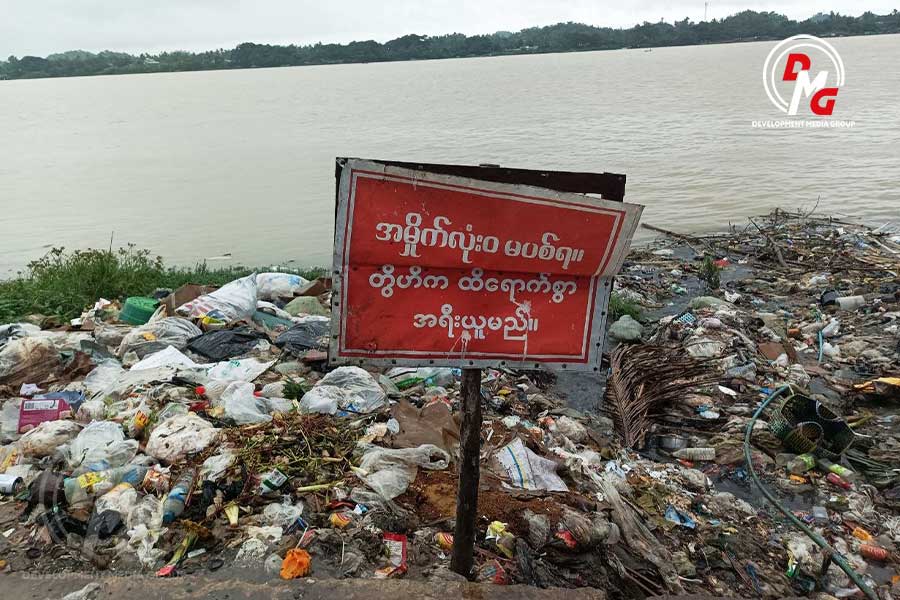
"Because garbage collection vehicles do not regularly arrive, residents are forced to dump waste along the riverbank," said a female resident of Kyauktaw. "The municipal trucks have no fixed schedule and sometimes do not come for months. Without designated collection days, people dispose of garbage themselves."
Although the ULA has installed waste bins and placed signs prohibiting dumping in some areas, residents said large amounts of rubbish continue to accumulate due to irregular collection services.
Households in Arakan State municipalities, including Kyauktaw and Mrauk-U, are required to pay a monthly sanitation fee of K5,000 to local development affairs departments.
Local observers said ULA municipal authorities have not yet invited private companies to take part in waste management services.
Critics said outsourcing garbage collection could improve sanitation services, create local employment opportunities, and establish a more effective waste management system.
"The situation was much better last year when municipal departments collected garbage regularly, which discouraged people from dumping waste," a female resident of Mrauk-U said.
"Posting signs is not enough if the garbage is not collected. Now people are dumping rubbish directly under the no-dumping signs. If the administration cannot manage this service, allowing private companies to operate it would be more practical," she added.
The Arakan Army has been developing administrative institutions and departments across areas under its control. However, ongoing military operations and efforts to build governance structures have created challenges in delivering some public services.

Top News
Magway records most airstrikes since new military chief took command: ISP-Myanmar
By Admin 17 Sep 2026
Junta warship destroys two fishing boats, seizes another off Werathani
By Admin 17 Sep 2026
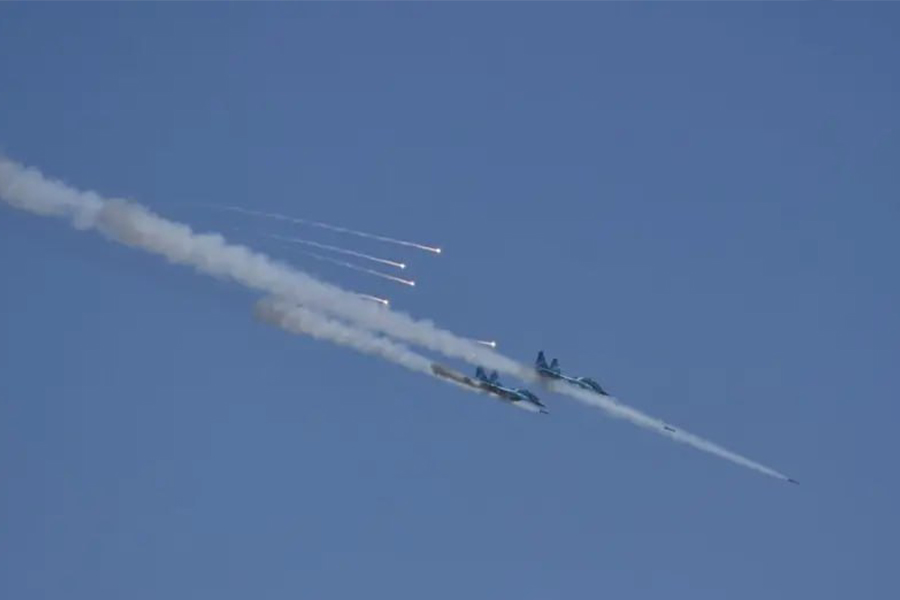
Junta jet fighters drop 500-pound bombs on former junta battalions in Mrauk-U
By Admin 17 Sep 2026
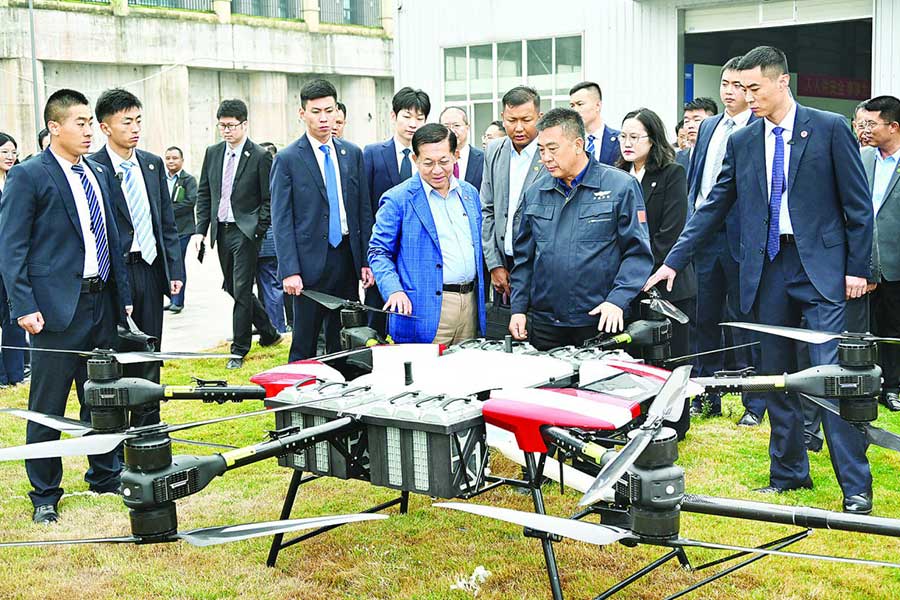
JFM calls for Myanmar military to be barred from ARF drone workshop
By Admin 17 Sep 2026
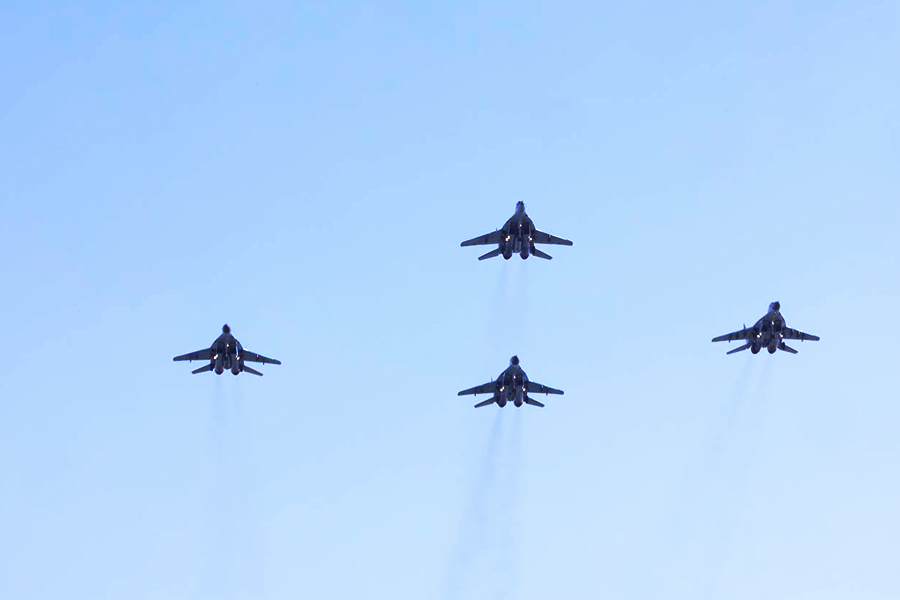
Junta deploys fighter jets to bomb Ponnagyun
By Admin 17 Sep 2026



.jpg)