
- Junta warships increase activity along southern Arakan coast
- Junta rejects criticism over 2017 Arakan crisis
- Medicine shortages, lack of healthcare staff worsen hardship in Thandwe Twsp
- Heavy fighting continues in Sittwe Twsp
- Malaysian civil society groups urge halt to return of 1,476 Myanmar nationals
Junta rejects criticism over 2017 Arakan crisis
The ministry blamed the Arakan Rohingya Salvation Army (ARSA) for triggering the 2017 crisis, citing coordinated attacks on 30 police outposts and a military headquarters in northern Arakan. It accused some countries of overlooking ARSA's actions when discussing subsequent events.
05 Sep 2026
DMG Newsroom
5 September 2026, Yangon
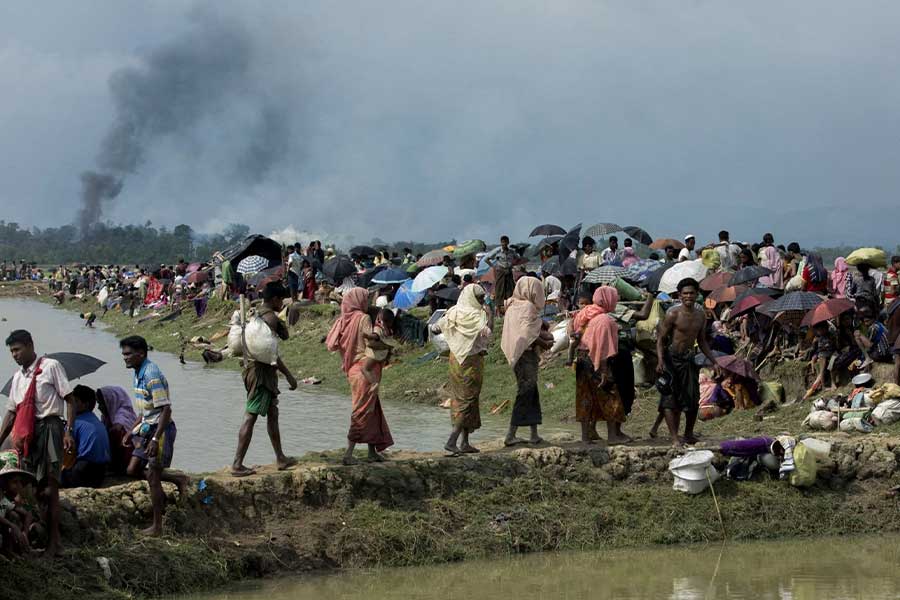
Myanmar's military regime has rejected recent international statements concerning the 2017 violence in northern Arakan State, insisting that the repatriation of Rohingya refugees should be resolved bilaterally between Myanmar and Bangladesh despite major changes in political and territorial control in Arakan.
In a September 3 statement, the junta-controlled Ministry of Foreign Affairs said statements issued by some countries around the ninth anniversary of the August 25, 2017 violence did not accurately reflect events on the ground.
The ministry blamed the Arakan Rohingya Salvation Army (ARSA) for triggering the 2017 crisis, citing coordinated attacks on 30 police outposts and a military headquarters in northern Arakan. It accused some countries of overlooking ARSA's actions when discussing subsequent events.
The junta also defended the security forces' response, claiming they acted in accordance with rules of engagement to protect civilians and restore stability. International investigations and rights groups, however, have previously presented sharply different accounts of the military's operations and alleged serious abuses against Rohingya civilians.
The Foreign Ministry also rejected the use of the term "Rohingya," maintaining the Myanmar authorities' longstanding position that the identity is not officially recognised.
It reiterated that the return of displaced people from Bangladesh is a matter to be resolved between the two countries and said Myanmar remains committed to facilitating what it described as the voluntary, safe and dignified return of verified displaced persons.
The statement comes as Arakan's political and security landscape has changed significantly since Myanmar and Bangladesh signed repatriation agreements in 2017 and 2018.
The ULA/AA now exercises effective control over much of Arakan State, while the military regime retains several key positions, including Sittwe. A recent Center for Arakan Studies paper described the ULA/AA as an indispensable actor in any future Rohingya repatriation process because of changing territorial control.
Security conditions also remain volatile. Fighting between the military and AA resumed along the Sittwe-Ponnagyun front on September 4 after junta airstrikes struck villages across Sittwe, Ponnagyun and Rathedaung townships a day earlier, according to recent DMG reporting.
The ULA/AA subsequently warned residents to remain vigilant amid heightened risks from air and naval attacks, while humanitarian conditions remain difficult across the state. Recent DMG reporting has documented healthcare shortages, malnutrition among displaced children and pregnant women, livelihood difficulties and movement restrictions. In junta-held Sittwe, diarrhoea cases have also been reported in Muslim villages and displacement camps.
Against this backdrop, the junta's insistence that repatriation remains primarily a bilateral Myanmar-Bangladesh matter contrasts with the significantly changed realities on the ground in Arakan.
The Foreign Ministry nevertheless said Myanmar would continue working with Bangladesh and what it described as friendly countries to facilitate the return of verified displaced people while rejecting international statements it characterised as politically motivated.

Top News
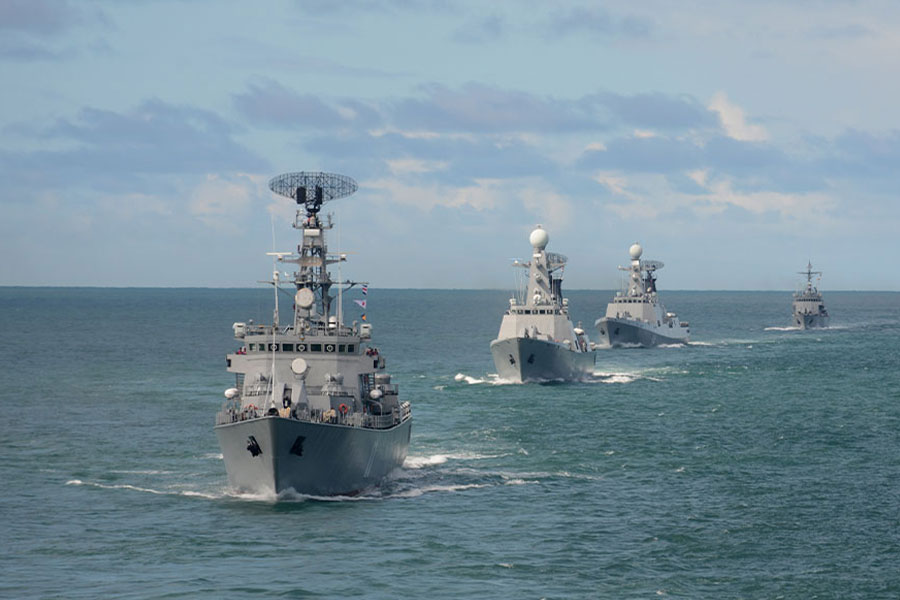
Junta warships increase activity along southern Arakan coast
By Admin 05 Sep 2026
Junta rejects criticism over 2017 Arakan crisis
By Admin 05 Sep 2026
Medicine shortages, lack of healthcare staff worsen hardship in Thandwe Twsp
By Admin 05 Sep 2026
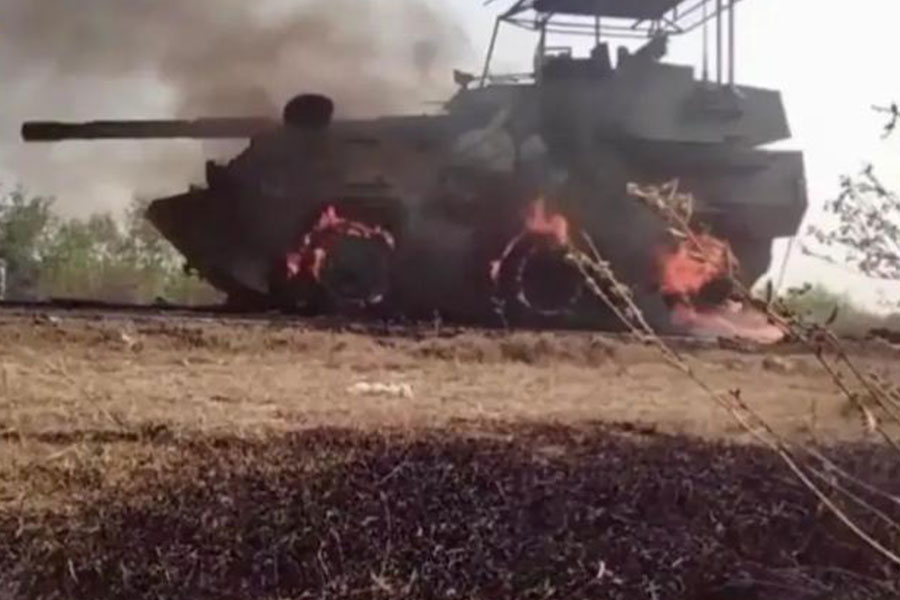
Heavy fighting continues in Sittwe Twsp
By Admin 05 Sep 2026
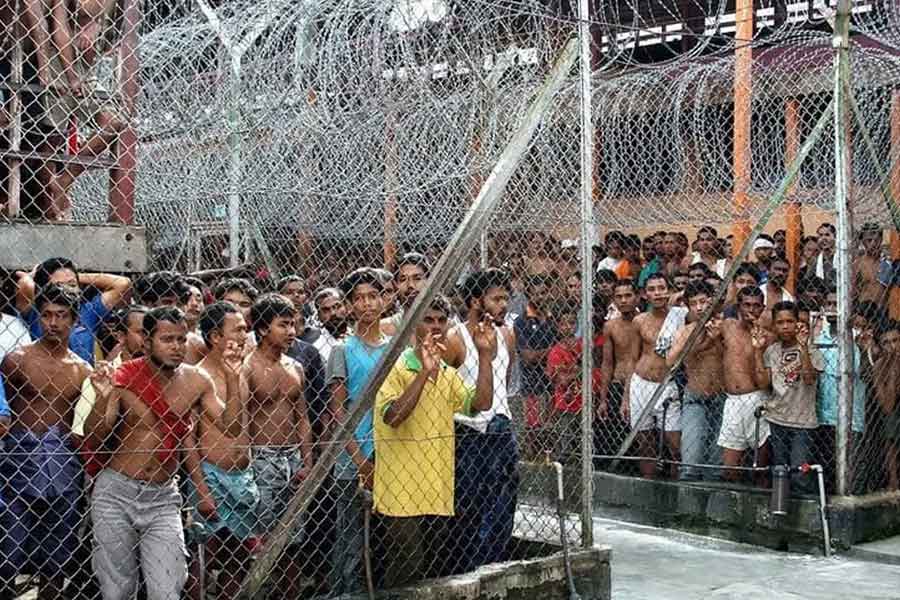
Malaysian civil society groups urge halt to return of 1,476 Myanmar nationals
By Admin 05 Sep 2026