
- Junta intensifies offensive against resistance-held territory in strategic Sagaing town
- Fighting escalates in Sittwe as Arakan Army captures junta outposts
- Survivors of deadly Kyauktaw airstrike urgently need medical, humanitarian aid
- Junta seeks foothold on strategic island in Kaladan River as Arakan Army counterattacks
- Begging nearly doubles amid livelihood crisis in southern Arakan
Min Aung Hlaing's Thailand trip raises concerns over ASEAN, activists
While efforts to expand Thai-Myanmar border trade could benefit both sides, political analysts said the military regime is attempting to use Thailand as a conduit to regain access to ASEAN meetings.
10 Aug 2026
DMG Newsroom
10 August 2026, Nay Pyi Taw
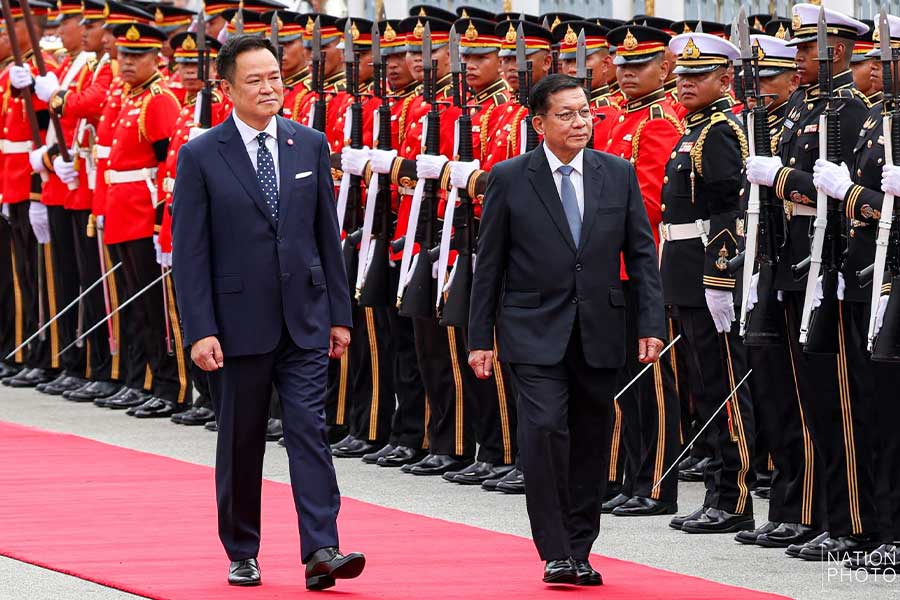
Former Myanmar military leader and self-appointed President Min Aung Hlaing made a two-day visit to Thailand on August 6 and 7 at the invitation of Thai Prime Minister Anutin Charnvirakul, resulting in a four-point bilateral agreement, according to a joint statement issued by the two countries.
The joint statement outlined agreements to strengthen cooperation in bilateral politics and security, economic affairs, environmental issues, and socio-cultural sectors.
Both sides also agreed to strengthen border security and increase bilateral border trade.
While efforts to expand Thai-Myanmar border trade could benefit both sides, political analysts said the military regime is attempting to use Thailand as a conduit to regain access to ASEAN meetings.
Political analyst U Aung Thu Nyein said: "If war and conflict occur in our country, they will have massive repercussions for Thailand. As a neighbouring ASEAN member, Thailand has a legitimate role to play in addressing Myanmar's problems. In this situation, Thailand genuinely wants to help Myanmar, and engaging in a recalibrated relationship with Myanmar has become its policy."
He added that the military regime is seeking Thailand's assistance to re-enter ASEAN despite opposition from several ASEAN member states.
"Regarding bilateral relations and development, I see these as mutually beneficial matters for both sides. Notably, both sides agreed to increase Thai-Myanmar trade to US$12 billion, which I view as a positive point. Normally, Thai-Myanmar border trade is around US$4 billion, reaching about US$7.4 billion in peak years. Aiming for US$12 billion indicates a commitment to expanding trade," U Aung Thu Nyein said.
However, political observers noted that because the military regime maintains strict restrictions on foreign imports, it remains uncertain whether the planned expansion in border trade will materialise.
During his visit to Thailand, Min Aung Hlaing faced protests from Thai parliamentarians, civil society organisations and Myanmar activist groups.
Ko Saw Tun, chairperson of the All Arakan Students' and Youth Congress (AASYC), which is based in Thailand, warned that the visit could have repercussions for democracy activists and Civil Disobedience Movement (CDM) participants residing in Thailand.
"Human rights and democracy activists, CDM participants and Myanmar migrant workers in Thailand need to be especially cautious about potential political pressure, information gathering and indirect tactics exerted through the Thai government. We must watch out for surveillance of Myanmar activists, data collection, information sharing between Myanmar and Thai authorities, and attempts to deport individuals back to Myanmar under various pretexts," Ko Saw Tun said.
Thailand serves as a primary refuge for numerous Myanmar democracy and human rights activists, as well as CDM participants.
Ko Saw Tun added that the regime could also attempt to exploit the millions of Myanmar migrant workers in Thailand for political leverage through the Memorandum of Understanding (MOU) recruitment process.
"The junta is increasingly likely to exploit Myanmar migrant worker issues for political gain. This is a point to be wary of in advance. They may tighten MOU procedures and leverage Thailand's labour demand to push their political agenda through the Thai government," he said.
Millions of Myanmar nationals work as migrants in Thailand, with some employed through formal MOU channels and others working as undocumented migrants.
The Thai government maintains one of the closest relationships with the Myanmar military regime among ASEAN member states.
Since seizing power, Min Aung Hlaing has visited neighbouring countries including India, China, Laos and Thailand in an effort to gain international diplomatic engagement and legitimacy.

Top News
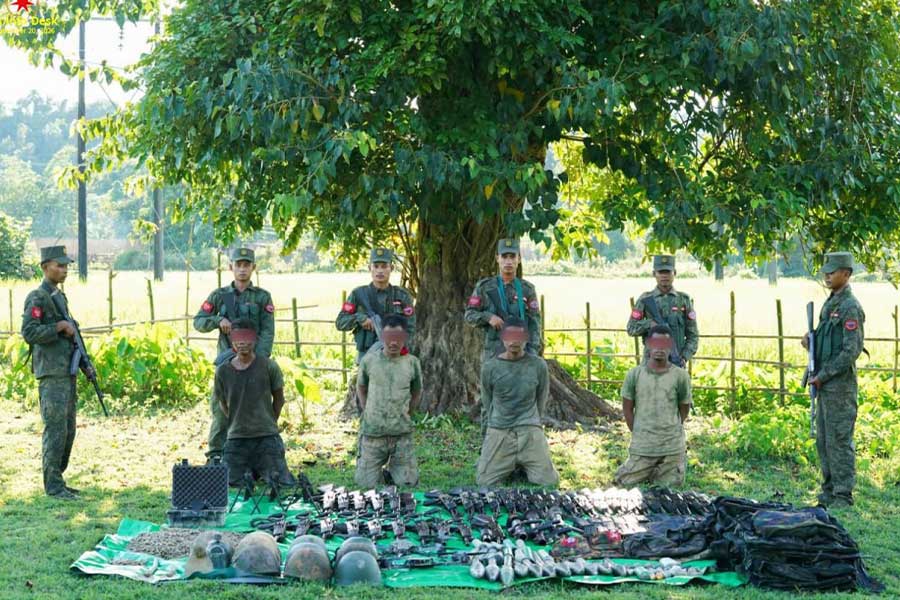
Fighting escalates in Sittwe as Arakan Army captures junta outposts
By Admin 13 Oct 2026
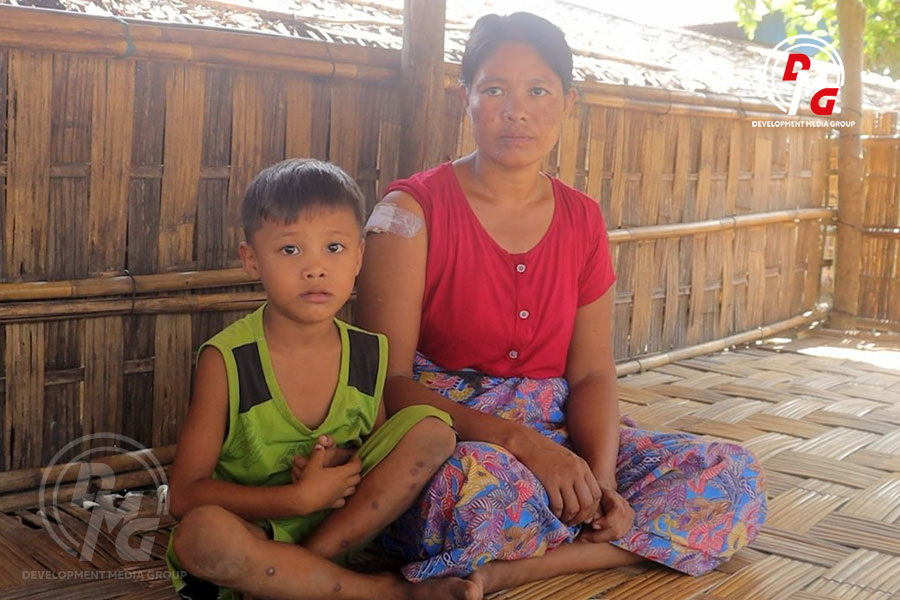
Survivors of deadly Kyauktaw airstrike urgently need medical, humanitarian aid
By Admin 13 Oct 2026
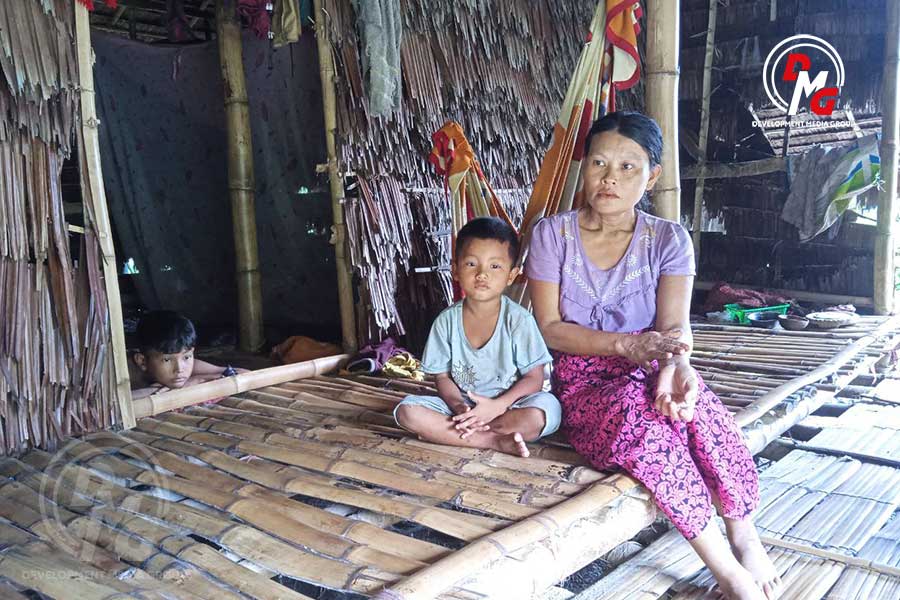
Fighting, airstrikes deepen humanitarian crisis in Myanmar’s Arakan: CAS report
By Admin 12 Oct 2026